Shanidar Z Skull to Be Returned to Kurdistan After British Research Team Continues Study
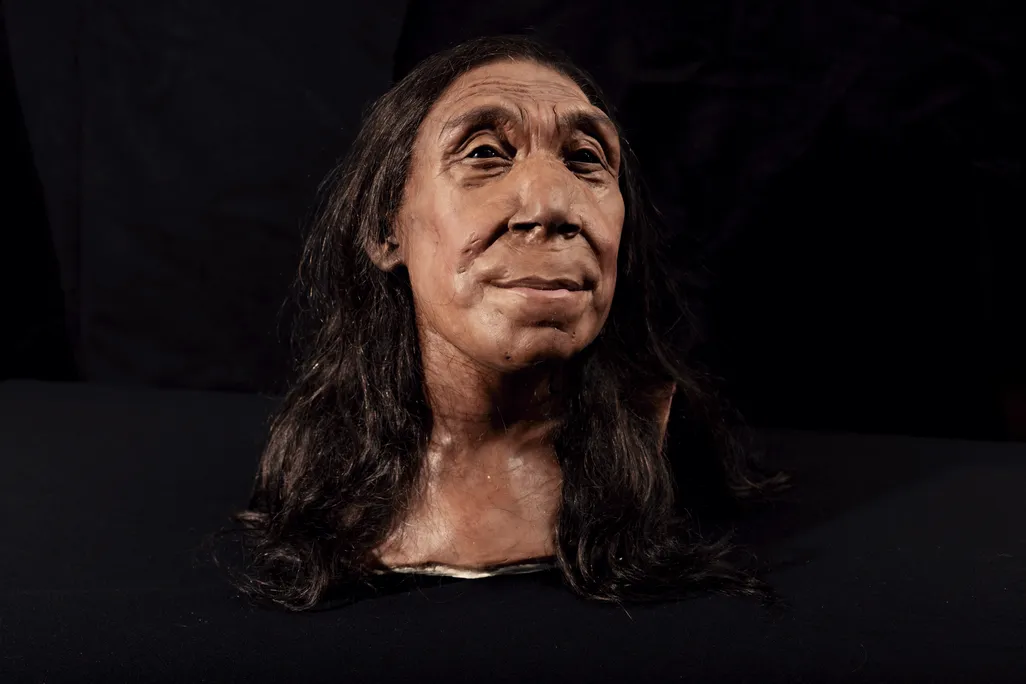
A team of researchers from the Universities of Cambridge and Liverpool has returned to the Kurdistan Region to continue their investigations into the skull of a female Neanderthal discovered in Shanidar Cave. The fossil, dating back around 75,000 years, is known as Shanidar Z
Reconstructing the face of an ancient Neanderthal
Last year, the British team succeeded in reconstructing the face of Shanidar Z from fragments of the skull. The researchers now aim to carry out further analysis, including genetic and comparative studies with other Neanderthal remains found in the cave during excavations in the 1950s.
Ongoing cooperation with Kurdistan’s Antiquities Department
Keyfi Mustafa, the Director of Antiquities in the Kurdistan Region, confirmed the ongoing cooperation during an interview with Channel8. “They told us that they are continuing to work on the skull and are searching for the rest of the body,” Mustafa said.
Comparisons with earlier Neanderthal finds
The Director of Antiquities of the Kurdistan Region noted that in the 1950s, several Neanderthal skeletons were discovered in Shanidar Cave. Today, those remains are preserved in the Baghdad Museum and at the University of Chicago’s museum in the United States. The British team aims to compare the DNA of Neanderthal Z with those skeletons in order to reconstruct the body of the woman who lived in Shanidar Cave around 75,000 years ago.
Return of Shanidar Z to Kurdistan
Mustafa stressed that, under the agreement with the researchers, the skull will be officially returned to the Kurdistan Region after the scientific studies are completed. “According to the agreement, once the research is finished, the skull will be brought back to Kurdistan in a dignified ceremony,” he added.
A window into ancient human history
The Shanidar Cave discoveries have long been regarded as some of the most significant Neanderthal finds in the world, offering rare insight into the lives of ancient humans in the region.
15/09/2025