KRG Gives Green Light for Oil Exports After Nearly 30 Months, Baghdad Expected to Release Two Salaries

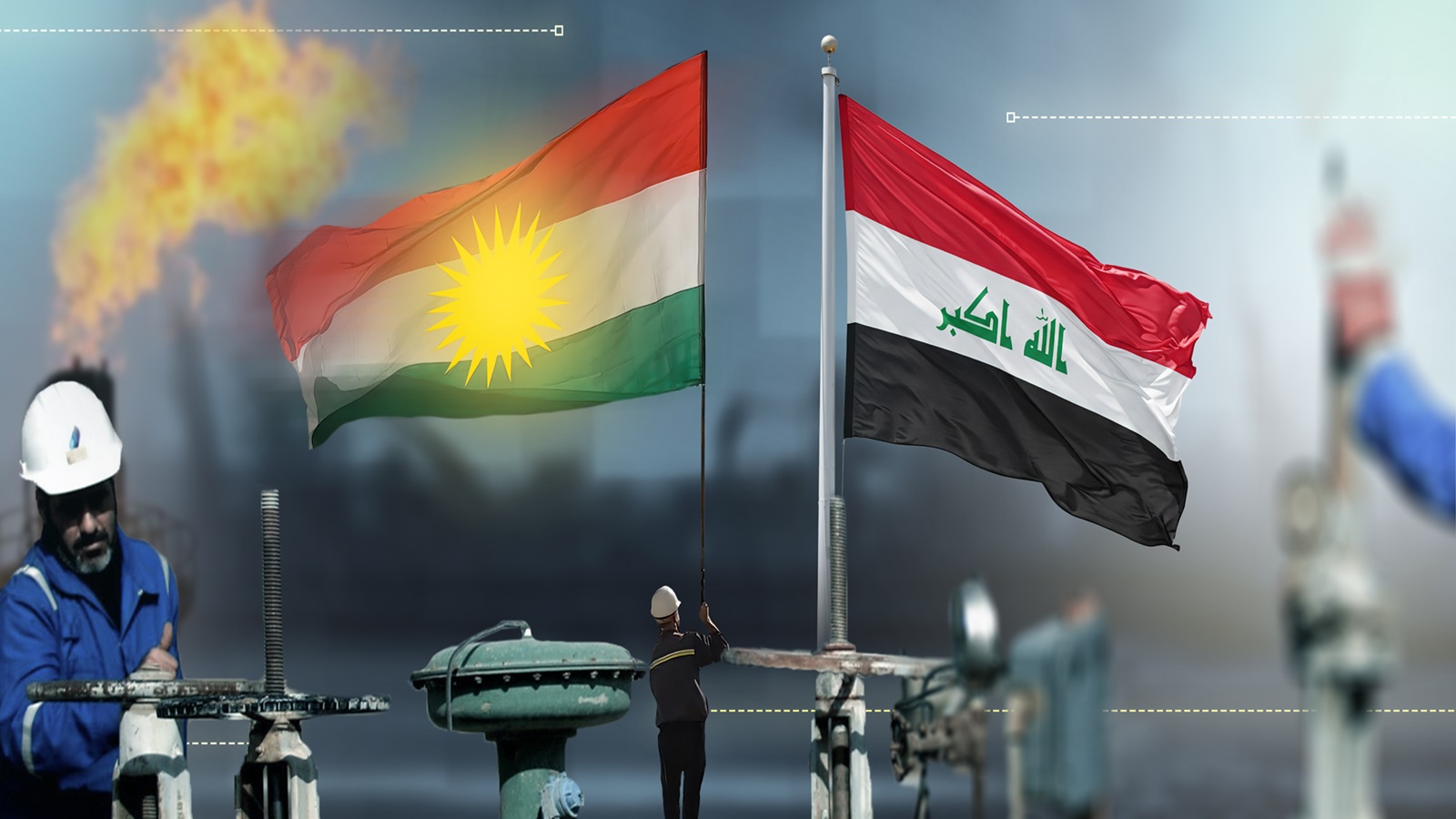
After almost two and a half years, the long-standing suspension of the Kurdistan Regional Government’s (KRG) oil exports has been resolved. Following new agreements between Erbil and Baghdad, the KRG Council of Ministers has given the green light to resume exports, with Baghdad expected to release two months of salaries.
Oil Export Agreement
The first item of the KRG Council of Ministers’ meeting focused on oil exports, non-oil revenues, and the financial entitlements of government employees.
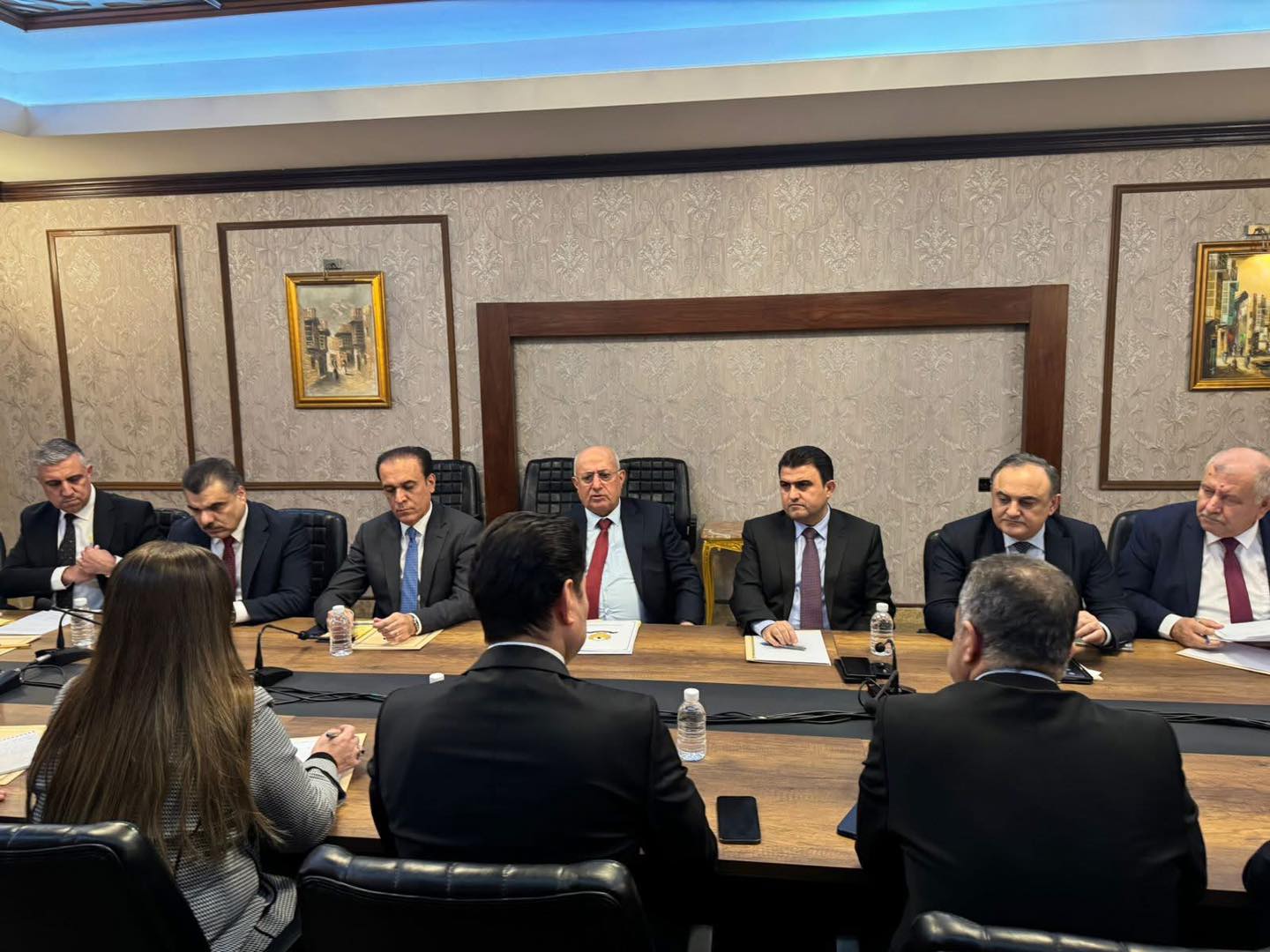
Amanj Rahim, Secretary of the Council of Ministers and a key member of the negotiations, presented the latest joint proposals between the federal and regional governments.
The new deal states that Iraq's State Oil Marketing Organization (SOMO) will receive all oil produced in the Kurdistan Region, with the exception of that required for domestic use. The signature of a tripartite oil export agreement, which is anticipated to be completed by the end of this week, is linked to this arrangement.
Allocation of Production
The KRG currently produces around 230,000 barrels of oil per day. Under the new arrangement:
- 50,000 barrels will remain for local consumption.
- 100,000 barrels will be delivered to SOMO.
- 80,000 barrels will be allocated to companies to cover extraction costs.
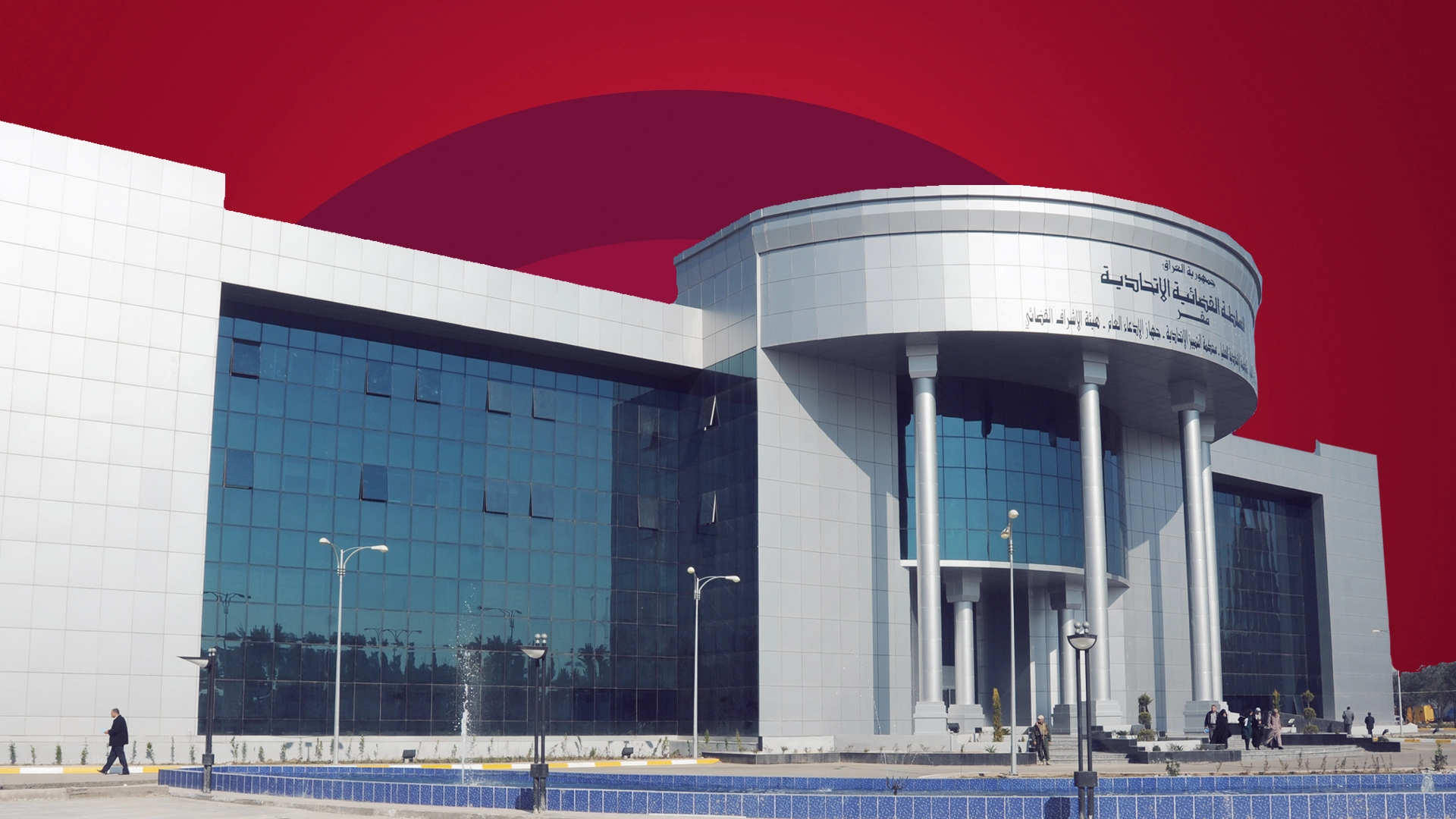
Oil exports from the Kurdistan Region have been halted since March 25, 2023, following a ruling by Iraq’s Federal Supreme Court, which forced the suspension of flows through Turkey’s Ceyhan port.
Salaries and Non-Oil Revenues
The Council of Ministers emphasized that the KRG has fulfilled its constitutional obligations and that there should no longer be any obstacles to the payment of salaries. Prime Minister Masrour Barzani stressed that the federal government must now meet its commitment to transfer the July and August 2025 salaries without delay.
The council also reiterated that Kurdistan Region employees should receive salaries on time, just like federal employees elsewhere in Iraq.
Regarding non-oil revenues, the council reaffirmed its constitutional position on their classification and division with the federal government. Previously, Erbil had agreed to transfer 50% of customs and income tax revenues, as well as 100% of revenues from federal institutions.
Barzani: KRG Met Its Duties
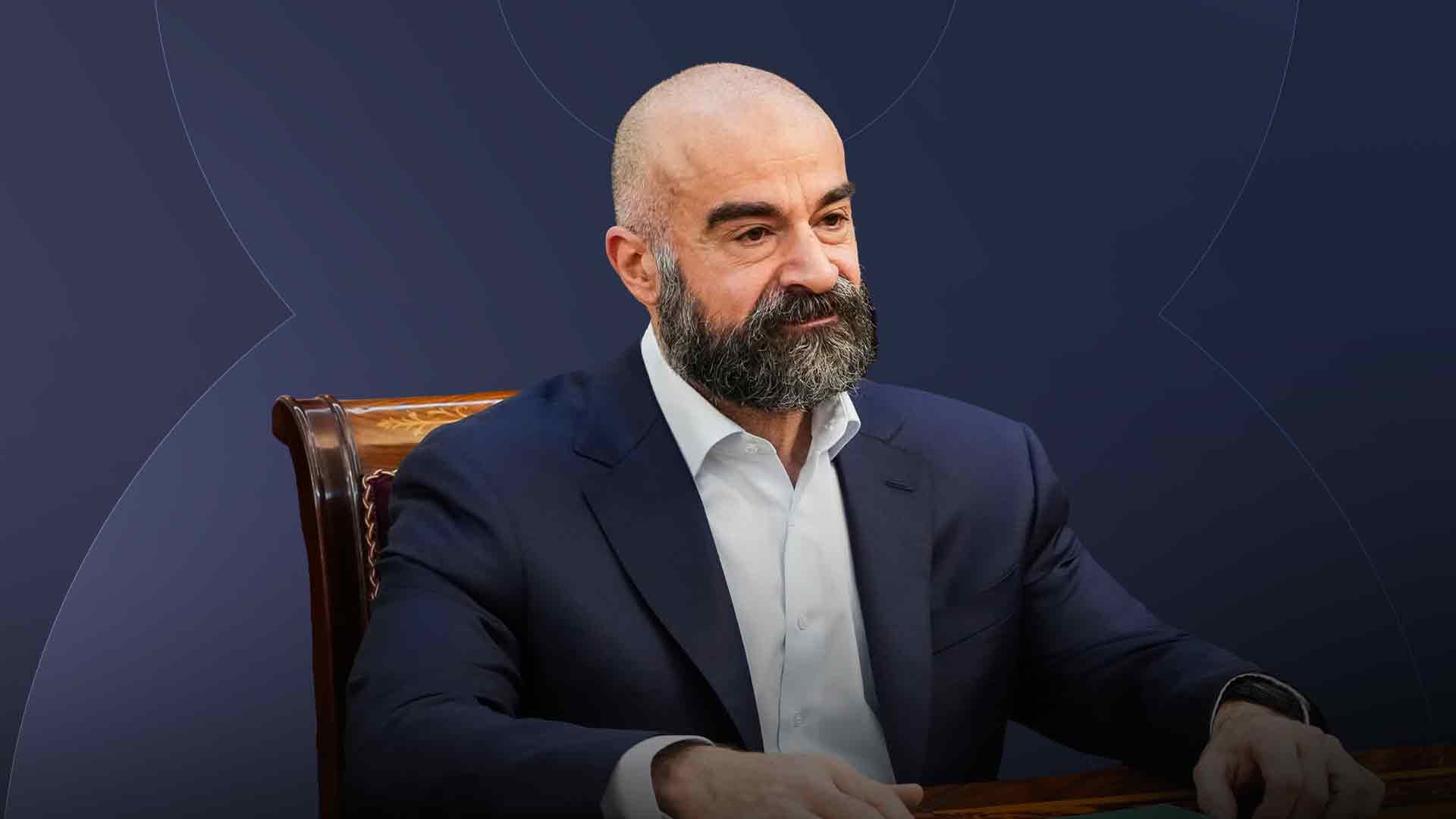
Prime Minister Masrour Barzani said:
The Kurdistan Regional Government has fulfilled all its constitutional duties and obligations and has shown full flexibility to remove the excuses previously used to delay salaries
He added that oil companies had agreed to operate under Iraqi law, abandoning previous legal disputes.
Next Steps
KRG spokesman Peshawa Hawramani said the federal government has given the Iraqi oil minister 48 hours to finalize the technical details. “We are ready to hand over the Kurdistan Region’s oil to SOMO,” he confirmed.
The Association of the Petroleum Industry of Kurdistan (APIKUR) had earlier expressed readiness to resume investment and exports, provided Baghdad ensures both past and future financial entitlements and resolves disputes through international arbitration if needed.
According to the Iraqi Economic Affairs Organization, Iraq has lost an estimated $334 million monthly over $4 billion annually due to the suspension of Kurdistan’s oil exports.
.webp)
.jpg)