Urmia Named Iran’s Agricultural Capital
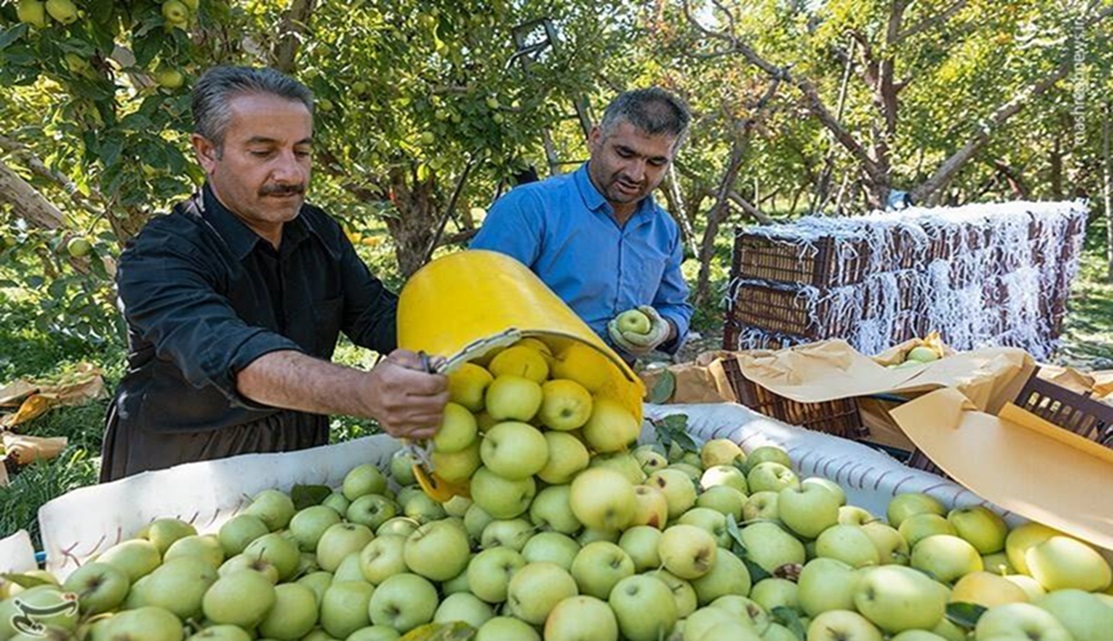
Urmia province, in East Kurdistan, has once again been named the agricultural capital of Iran, with an annual production of around 7 million tons of crops.
Leading in Apples and Beets
The province produces 35% of Iran’s sugar beets (about 2.1 million tons) and one-third of the country’s apples (more than 5,000 tons), retaining its leading position this year.
Grape & Saffron Forecasts
220,000 tons of grapes and 250 kg of saffron are expected to be produced in the area this season, according to Mohammad Reza Asghari, head of the Urmia Agricultural Institute.
200,000 Farmers at Work
More than 200,000 farmers are active in Urmia, producing wheat, apples, beets, honey, walnuts, vegetables, and fruits. In addition to crops, the province also supplies significant amounts of animal products including hides, milk, dairy, and red meat much of which is exported to other provinces and abroad.
Other Key Provinces
Alongside Urmia, Sanandaj city (about 4 million tons annually), Ilam province (30,000 tons of horticultural products), and Kermanshah province (around 5 million tons annually) are also among Iran’s most important agricultural producers, particularly in pistachios, saffron, dates, and pomegranates.

.webp)