Tehran Publishes Leaked Data, Claims Israel Monitored UN Nuclear Watchdog

Amid escalating tensions with Israel and the International Atomic Energy Agency (IAEA), Iranian Intelligence Minister Esmail Khatib announced Wednesday that Tehran had obtained what he described as a “treasure trove of information” on Israel’s nuclear and military programs.
Details of the Alleged Leak
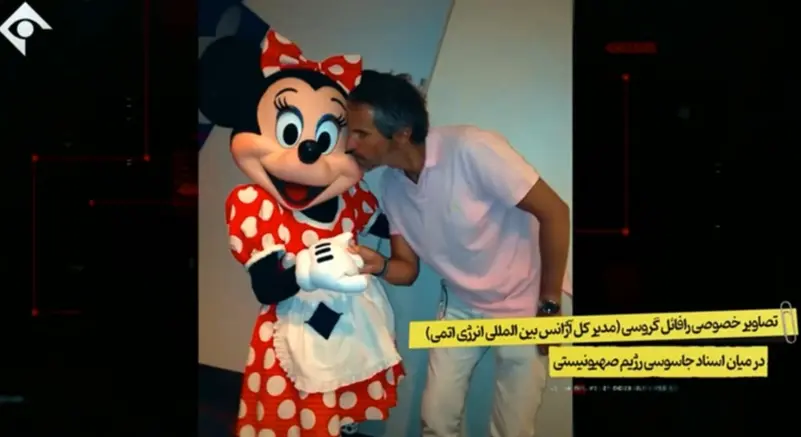
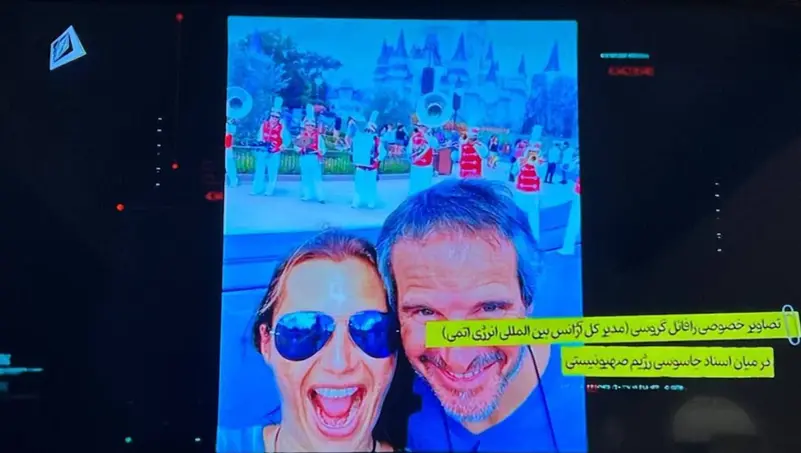
In a televised address, Khatib said Iranian intelligence had acquired files containing the names, addresses, and professional ties of 189 Israeli nuclear and military experts, along with information on related projects. He added that the documents also included photographs and personal details of Rafael Grossi, the IAEA’s Director General, and his family, alleging that Israel had spied on the UN nuclear watchdog.
Iranian agencies also published what they claimed were leaked images of Grossi as part of the material.
Sensitive Military Information
Khatib claimed the files contained precise details about Israeli military sites with “dual-use capabilities,” and that their coordinates had been delivered to Iranian missile units. He said some of these sites were targeted during the 12-day conflict with Israel last June.
“The documents include past and current weapons projects, nuclear modernization efforts, and joint initiatives with the United States and European countries,” Khatib asserted, adding that millions of pages of material had been transferred into Iran.
Internal Leaks and Criticism of Netanyahu
According to Khatib, some Israeli nuclear agencies, military institutions, and even ordinary citizens were involved in leaking the information “for financial reasons or due to hatred of Prime Minister Benjamin Netanyahu.”
Addressing Netanyahu directly, Khatib said: “Instead of dealing with Israel’s water crisis, you should focus on the livelihood problems of your own employees, many of whom cooperated with us for money and continue to do so.”
Context of the Announcement
The revelation came days after Grossi admitted on the sidelines of the UN General Assembly that nuclear talks with Iran were in a “difficult stage,” though he insisted a diplomatic solution remained possible.
Tehran has long accused the IAEA of bias toward Israel. While Iran suspended cooperation with the agency earlier this year, it reached a limited agreement with Grossi in Cairo weeks ago. However, Tehran emphasized that IAEA inspectors would not gain unrestricted access to its nuclear facilities, a decision subject to approval by the Supreme National Security Council.
Alleged Leaked Images


25/09/2025