Kurdistan Oil Exports Resume Through Ceyhan After 30-Month Suspension
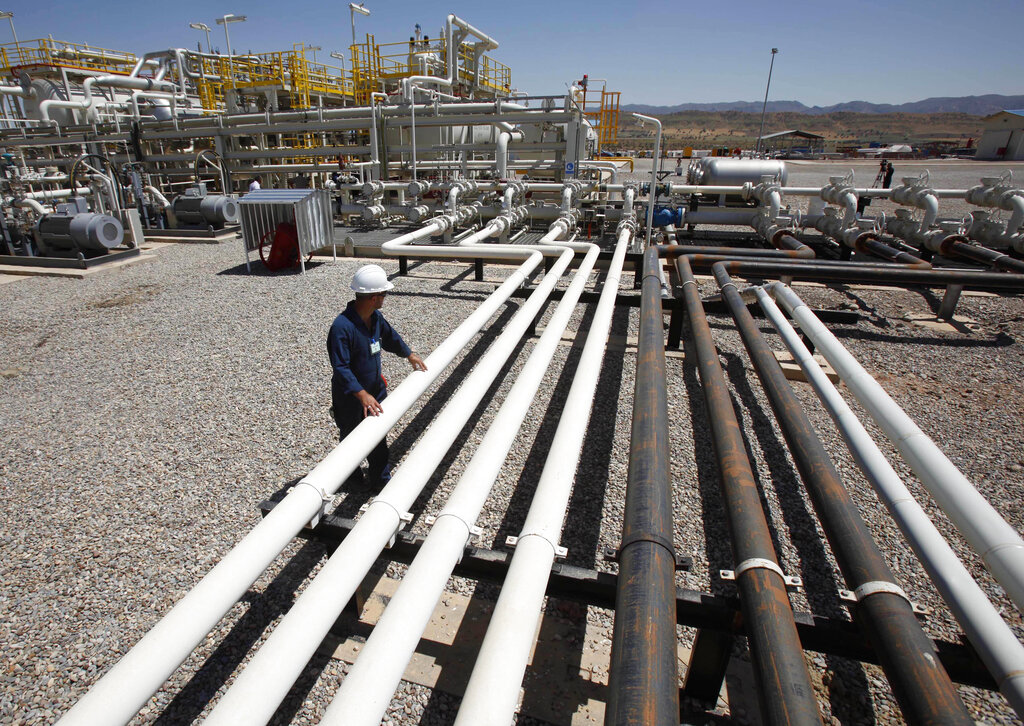
Oil exports from the Kurdistan Region resumed this week through Turkey’s Ceyhan port, ending a 30-month suspension that cost the region tens of billions of dollars.
The exports follow a tripartite agreement between Iraq’s federal government, the Kurdistan Regional Government (KRG), and international oil companies.
A long-term framework
The agreement is the result of 30 months of negotiations and is not a temporary agreement, but the basis for a long-term framework that will end years of conflict between Erbil and Baghdad
Ali Nizar, Director General of Iraq’s State Organization for Marketing of Oil (SOMO).
Exports had been halted on March 25, 2023, after a ruling by the Paris-based arbitration court blocked the KRG’s independent oil sales to Turkey. According to the Association of the Petroleum Industry of Kurdistan (APIKUR), the suspension caused losses exceeding $35 billion.
Production and costs
Current production stands at about 240,000 barrels per day, with SOMO confirming that 190,000 barrels are earmarked for export and 50,000 barrels allocated for domestic consumption in the Kurdistan Region. SOMO added that the volume is not fixed and may fluctuate.
Iraq pays international oil companies $16 per barrel for crude produced in its fields. Nizar said a contract will be signed with a global consulting firm to independently assess production and export costs.
Targeting 400,000 barrels
Under Iraq’s federal budget law, the KRG is required to deliver 400,000 barrels of oil per day to SOMO in exchange for financial entitlements from Baghdad. SOMO officials confirmed efforts are underway to raise production back to that level.
27/09/2025