Inside the Seven-Minute Heist: $102 Million Worth of Crown Jewels Stolen From the Louvre
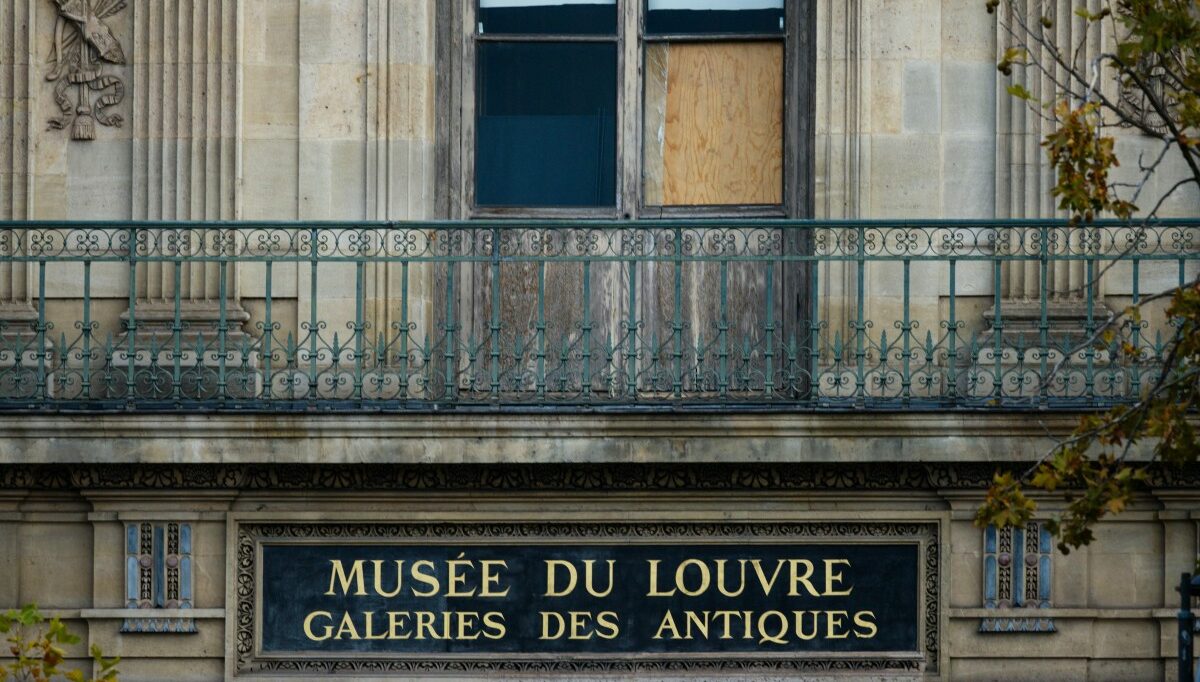
In what French media have described as “a cinematic robbery that struck the heart of France’s cultural pride,” four masked men carried out a daring daylight heist at the Louvre Museum, stealing eight pieces of the French Crown Jewels worth an estimated $102 million.
The operation, which lasted just seven minutes, targeted the Apollo Gallery, home to some of France’s most treasured imperial jewels once worn by queens and empresses of the 19th century.
A Precise, Professional Operation
According to Paris prosecutor Laure Beccuau, the thieves were “well-organised and highly experienced,” managing to bypass one of the world’s tightest museum security systems.
The perpetrators will gain nothing if they decide to dismantle the jewels, Beccuau told reporters. Their historical and cultural value is priceless any attempt to resell or destroy them would erase what they stole.
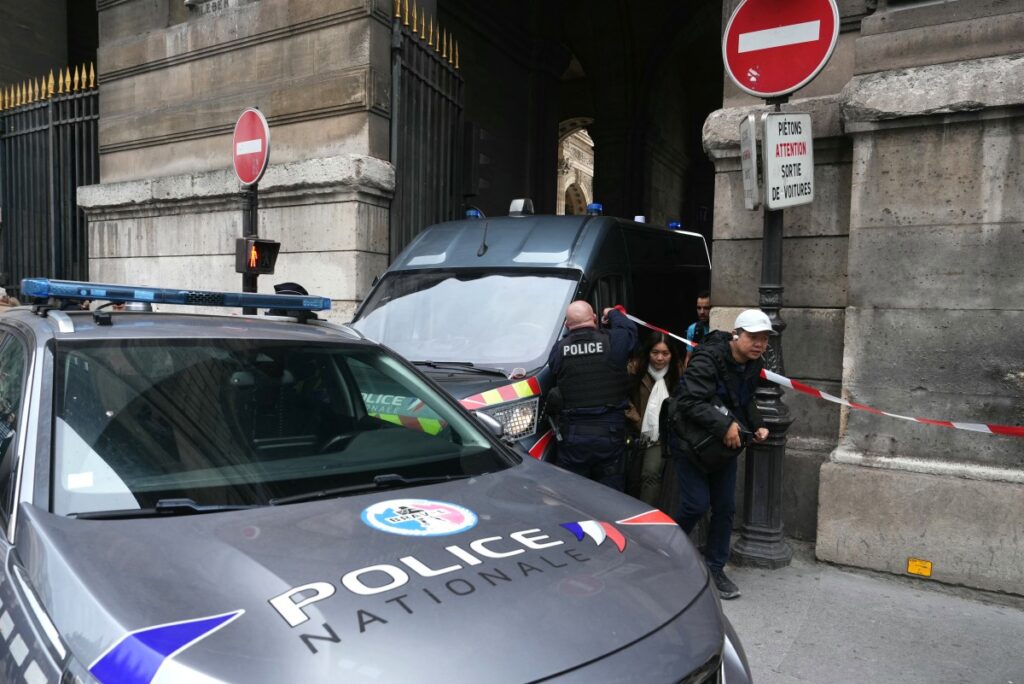
Beccuau confirmed that around 100 investigators are now involved in the manhunt, with French police reviewing security footage and tracking motorcycle escape routes along the Seine River.
Surveillance video released by French media shows one thief disguised in a yellow museum vest, cutting through reinforced glass cases containing the Jewels of Emperor Napoleon III. The robbery took place while visitors were touring nearby galleries, suggesting meticulous timing and insider knowledge of security rotations.
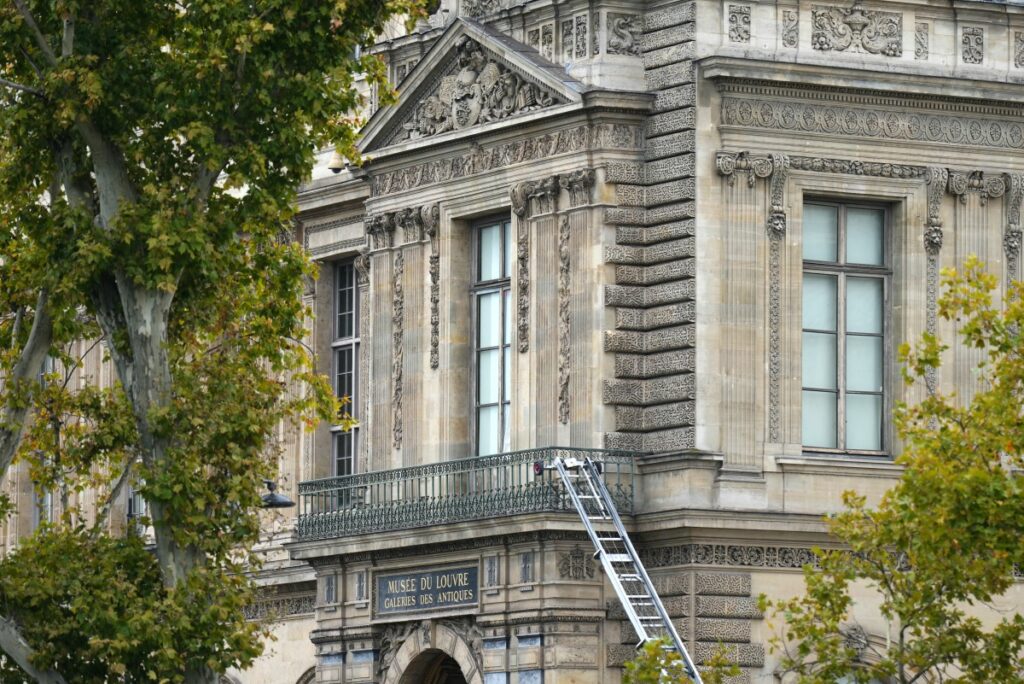
The Missing Masterpieces
Among the stolen pieces were:
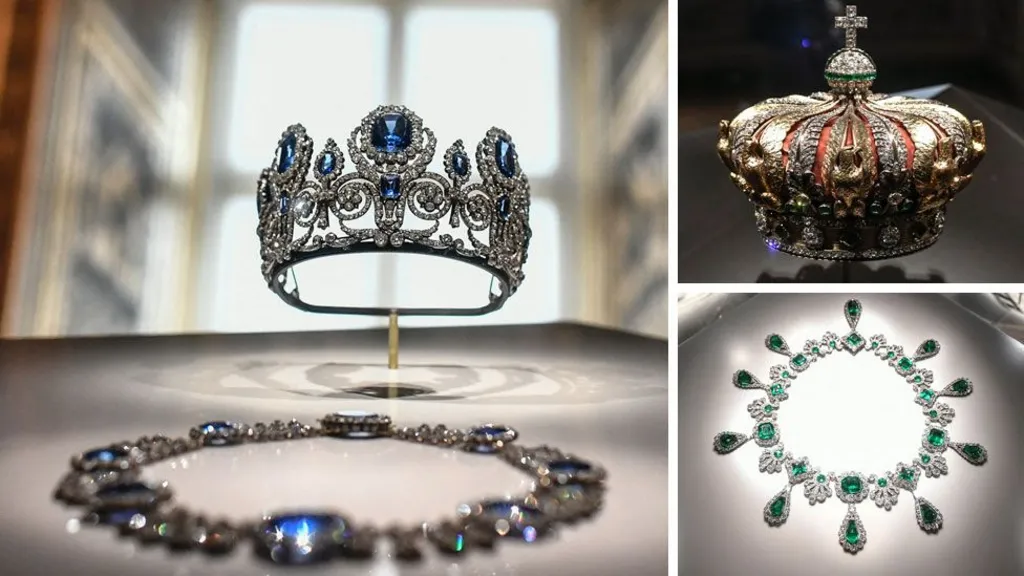
- A ruby-and-diamond necklace belonging to Queen Marie-Amélie, wife of King Louis-Philippe I, featuring eight rubies and 631 diamonds;
- An emerald-and-diamond necklace once owned by Empress Marie-Louise, Napoleon I’s third wife, containing 32 emeralds and 1,138 diamonds;
- Several items from Empress Eugénie de Montijo, including her crown set with 2,000 diamonds, which the thieves dropped during their escape and which police later recovered, damaged.
- The jewels were part of France’s imperial heritage collection, symbols of power and artistry from the Second Empire (1852 – 1870). Their loss has been described by Culture Minister Rachida Dati as “a wound to the soul of the nation.”
A Blow to France’s Cultural Security
Interior Minister Laurent Nunez said the crime bore the hallmarks of “internationally linked organised crime” and that the robbers “may have previously targeted European museums.”
Nunez confirmed the thieves accessed the first-floor window via a truck-mounted crane, smashed their way in, and escaped on two high-performance motorbikes parked nearby. “They knew exactly what they wanted,” he said.
Museum staff triggered the alarm, forcing the thieves to flee and leave behind several tools, which investigators are analysing for DNA traces.
The Louvre, which receives nine million visitors annually, closed briefly following the heist. French President Emmanuel Macron called it “an attack on a heritage we all cherish.”
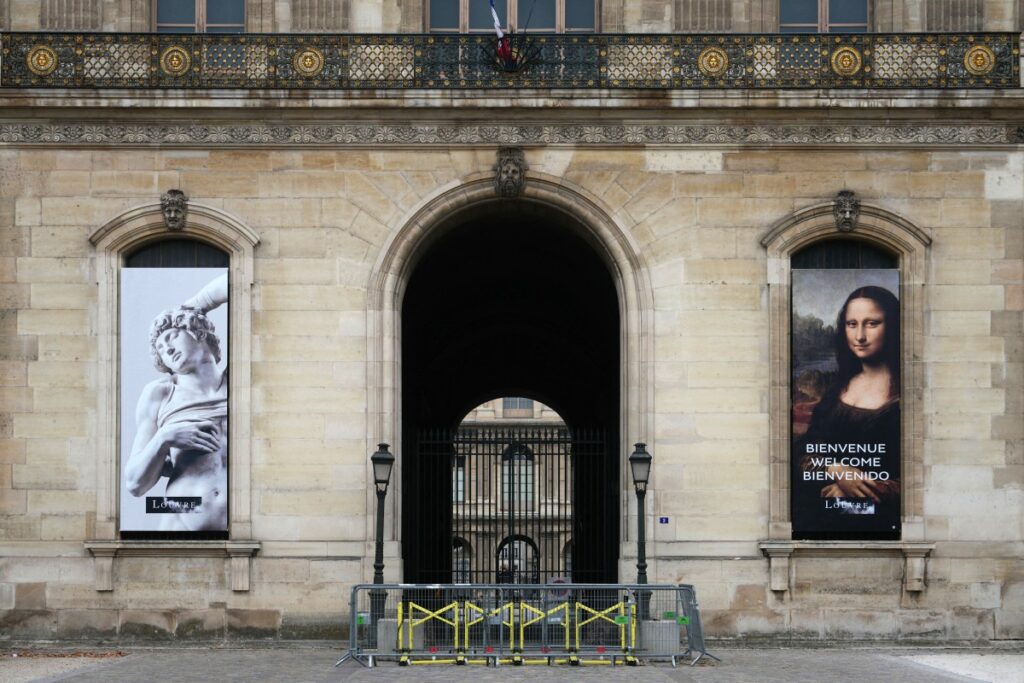
The Return of a Familiar Nightmare
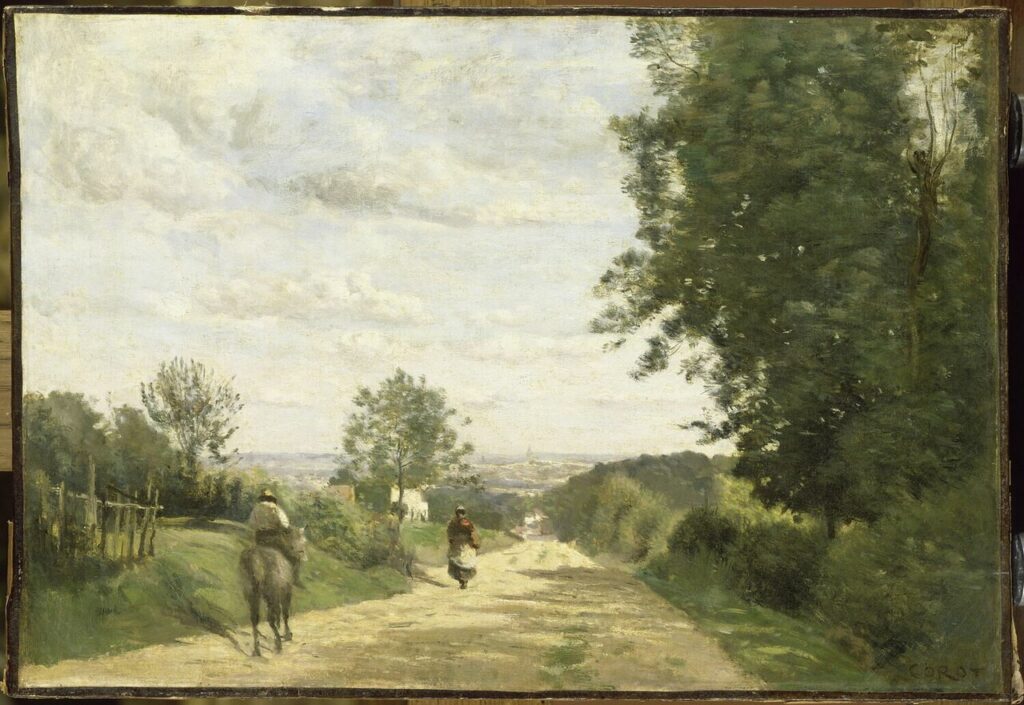
This is the first major theft at the Louvre since 1998, when Jean-Baptiste Corot’s “Le Chemin de Sèvres” was stolen and later recovered. It also follows a series of cultural robberies across France, including:
The theft of €600,000 worth of gold artefacts from the National Museum of Natural History last month;
A €6.5 million ceramics theft from the National Porcelain Museum in Limoges;
And the 2019 robbery at the Dresden Green Vault in Germany, often cited as Europe’s most sophisticated art heist.
These incidents have reignited debate about museum security funding, with critics pointing to understaffed night shifts and delayed upgrades to motion-sensor systems.
What Happens Next
Investigators are pursuing two main hypotheses:
- That the thieves were commissioned by a private collector or criminal syndicate; or
- That the operation was linked to money-laundering, where gems are dismantled and sold separately.
French authorities have appealed for international assistance through Interpol, while customs agencies in Belgium, Switzerland and Italy have been alerted to monitor diamond and gemstone trades.
We are dealing with professionals who know how to vanish, Beccuau said. But these jewels are too famous to ever resurface quietly
Symbolism Beyond Price
Experts say the loss of these artefacts transcends their market value. The French Crown Jewels, housed in the Apollo Gallery since 1887, represent the continuity of French sovereignty — from monarchy to republic.
Art historian Philippe Malraux told Le Monde:
To steal these jewels is to strike at the continuity of French civilization itself. They are fragments of history, not just stones.
At a Glance
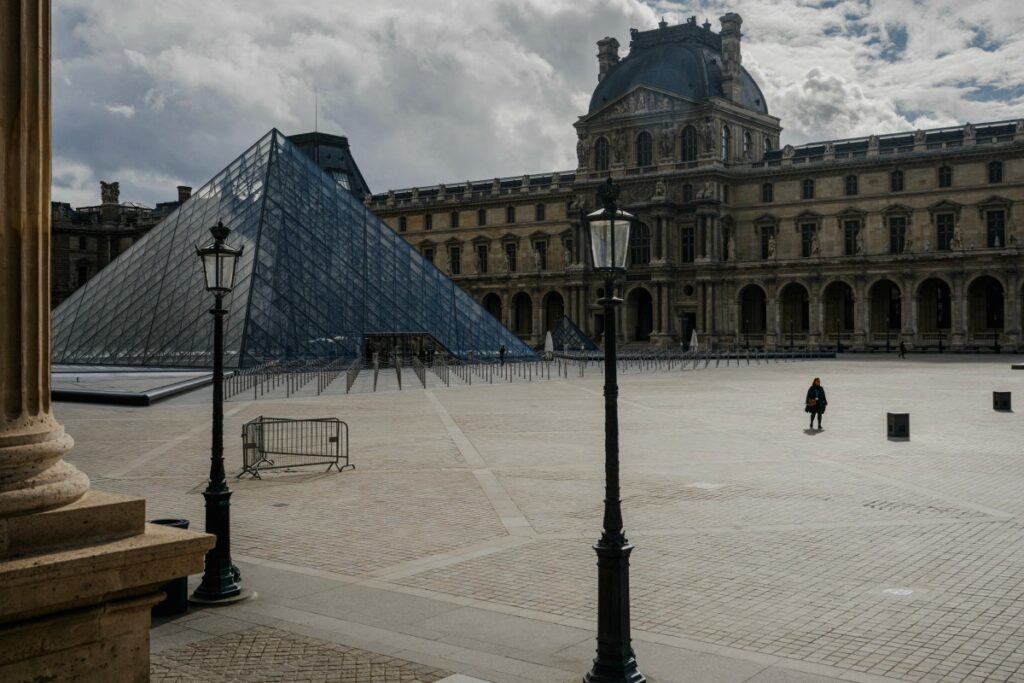
Location: Apollo Gallery, Louvre Museum, Paris
Time of theft: ~9:30 a.m. Sunday
Duration: 7 minutes
Stolen items: 8 Crown Jewels (19th century)
Value: ≈ €88 million ($102 million)
Suspects: 4 men, masked, escaped on motorbikes
Investigation: 100 officers, international assistance sought
22/10/2025