The 11–1 That Haunts Barcelona: Politics, Fear, and the 1943 El Clásico
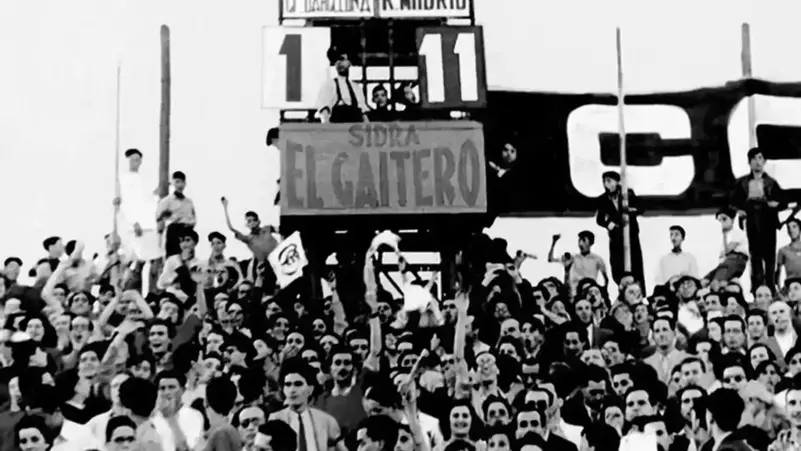
The June 13, 1943 “El Clásico” between Real Madrid and FC Barcelona remains one of the most controversial matches in football history.
Real Madrid’s 11–1 victory, the largest ever margin between the two Spanish giants, continues to stir debate among historians, sportswriters, and fans more than 80 years later.
The Match That Changed Spanish Football
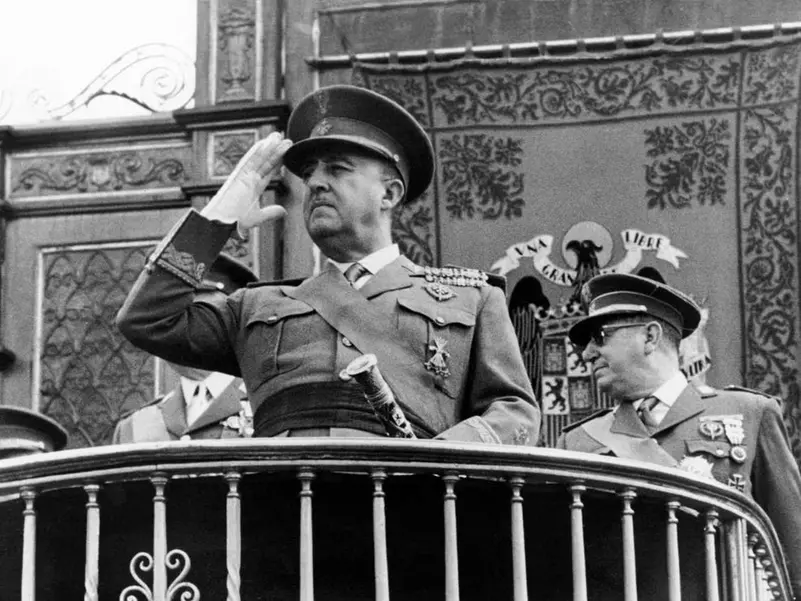
The game took place at Madrid’s old Chamartín Stadium during the semi-finals of the Copa del Generalísimo, the tournament renamed by General Francisco Franco to honor his dictatorship (previously known as the Copa del Rey) who ruled Spain from 1939 until his death in 1975.
Franco’s authoritarian regime sought to use football as a tool of national unity and political propaganda, favoring symbols of Spanish centralism such as Real Madrid while suppressing regional identities like Catalonia’s, which Barcelona represented.
Many historians, including those cited by El País and The Guardian, argue that this political atmosphere deeply affected El Clásico, turning it into more than a sporting rivalry and fueling suspicions that the infamous 11–1 scoreline was shaped as much by intimidation and political pressure as by athletic performance.
Barcelona had won the first leg at Les Corts 3–0, but the return leg turned into what many describe as a “politically charged massacre.” According to contemporary reports in Marca and later analyses by El País and The Guardian, Real Madrid led 8–0 by halftime, ultimately finishing 11–1.
Goals came from Sabino Barinaga (4), Pruden Sánchez (3), Jesús Alonso (2), Antonio Alsúa (1), and Botía (1). Barcelona’s lone goal was scored by Mariano Martín.
Intimidation and Political Pressure
Multiple accounts, none conclusively proven but widely cited by Spanish historians such as Sid Lowe and Jimmy Burns, suggest that the match was played under duress.
- Hostile atmosphere: Barcelona players reportedly faced violent hostility upon arriving in Madrid. Stones were thrown at their hotel and team bus, and fans packed the stadium in a frenzy fueled by post-Civil War tensions.
- Francoist intimidation: According to testimonies published decades later in El Mundo Deportivo, a government official from Franco’s regime allegedly entered the Barcelona dressing room before kickoff, warning players about their “families’ safety.”
- Referee pressure: Rumors persist that an armed officer approached the referee before the match and told him: “You know what to do, don’t make mistakes.”
While none of these claims have been definitively verified, they are consistent with the climate of authoritarian control and political manipulation in Spain during the early Franco years.
Reactions and Legacy
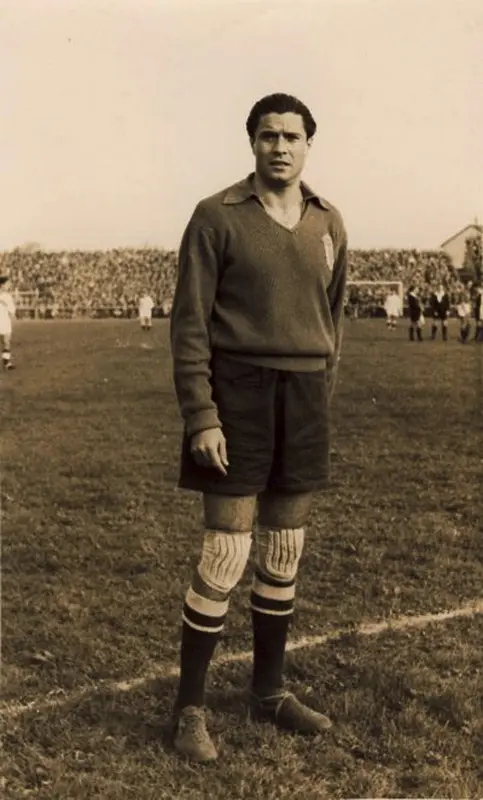
The International Olympic Committee’s late president Juan Antonio Samaranch, then a Catalan journalist, later wrote that the atmosphere was “unplayable.” He said:
The referee didn’t want complications with the home team. It was impossible for Barcelona to compete. Even playing their worst, they wouldn’t have lost by eleven goals. The truth is, Barcelona didn’t play at all
Barcelona’s reserve goalkeeper Fernando Argila also told La Vanguardia:
We didn’t need to be threatened directly. We got the message clearly, ‘you know what you have to do.
A Game That Redefined Rivalry
The match deepened the divide between Real Madrid, viewed as the regime’s favored club, and Barcelona, symbolizing Catalan resistance and identity. Historians see the 1943 semi-final as a turning point, where sport, politics, and repression collided on the pitch.
Today, “El Clásico” remains one of the most watched sporting events in the world, its intensity born not just from footballing excellence, but from the historical scars of matches like the 11–1.
26/10/2025