A Historical Look at Iraq’s Coins and Banknotes
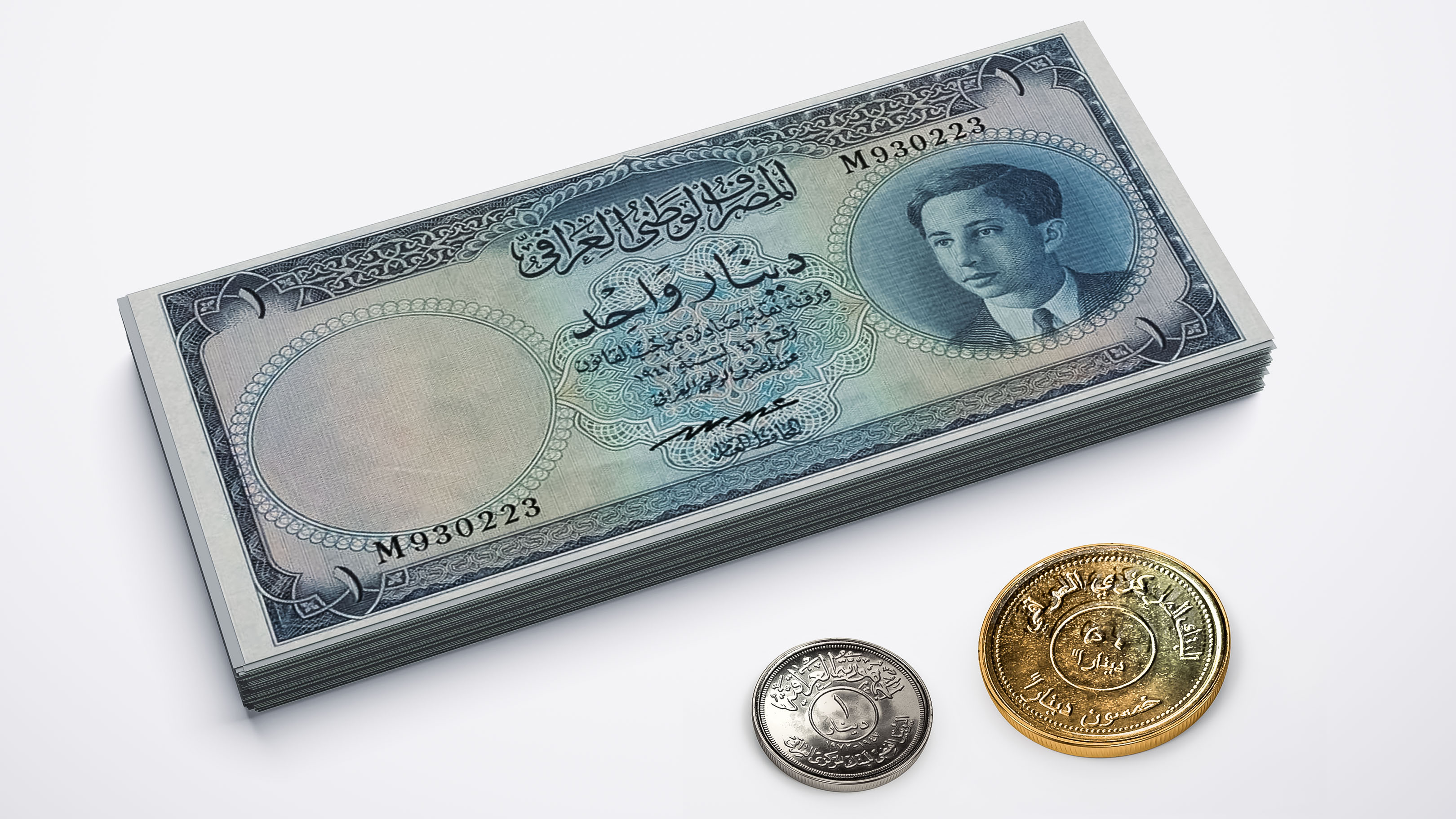
The modern Iraqi dinar (IQD) was introduced on 1 April 1932, replacing the Indian rupee, which had been in use under British mandate.
Coins Through the Years
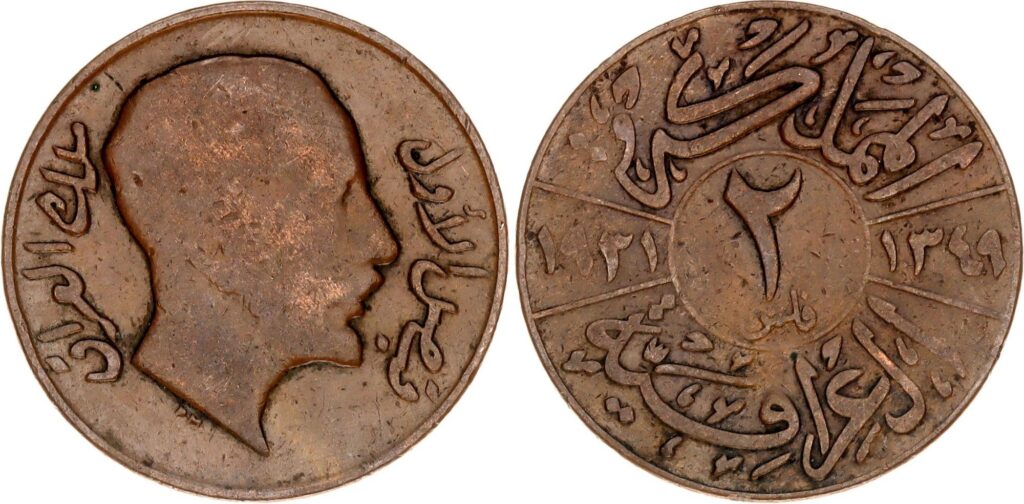
1931–1932 (Kingdom era): Iraq’s first national coins included 1 and 2 fils (bronze), 4 and 10 fils (nickel), and 20, 50, 200 fils (silver). The 200 fils coin was also known as the “rial.”
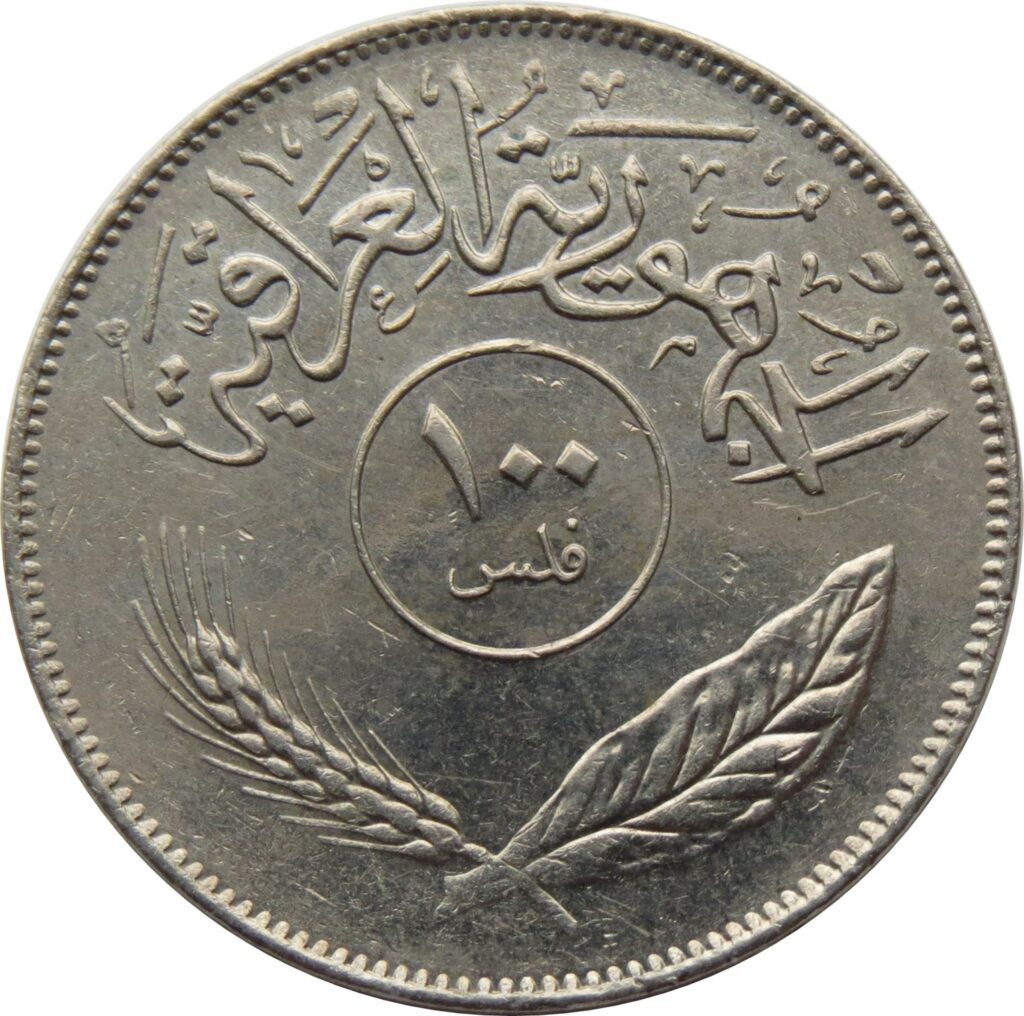
1950s–1960s: After the monarchy ended in 1958, new coin series replaced royal portraits with an allegorical sun and later three palm trees. Coins such as 1, 5, 10, 25, 50, 100 fils were minted, and in 1970 a 250 fils coin joined the series.
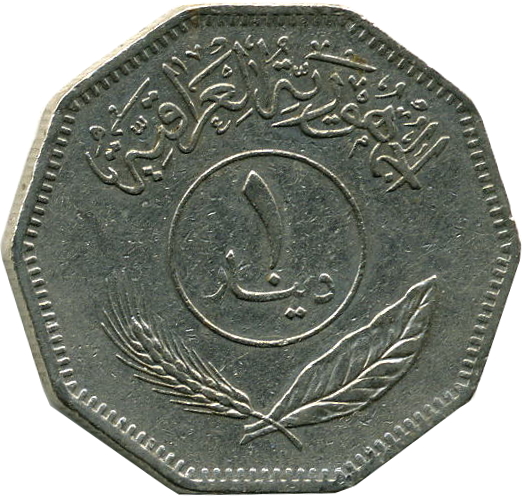
1980s: Larger denominations were introduced including 250 fils (octagonal), 500 fils (square), 1 dinar (decagonal) in 1982. Coin production largely stopped after 1990 due to the Gulf War and sanctions.
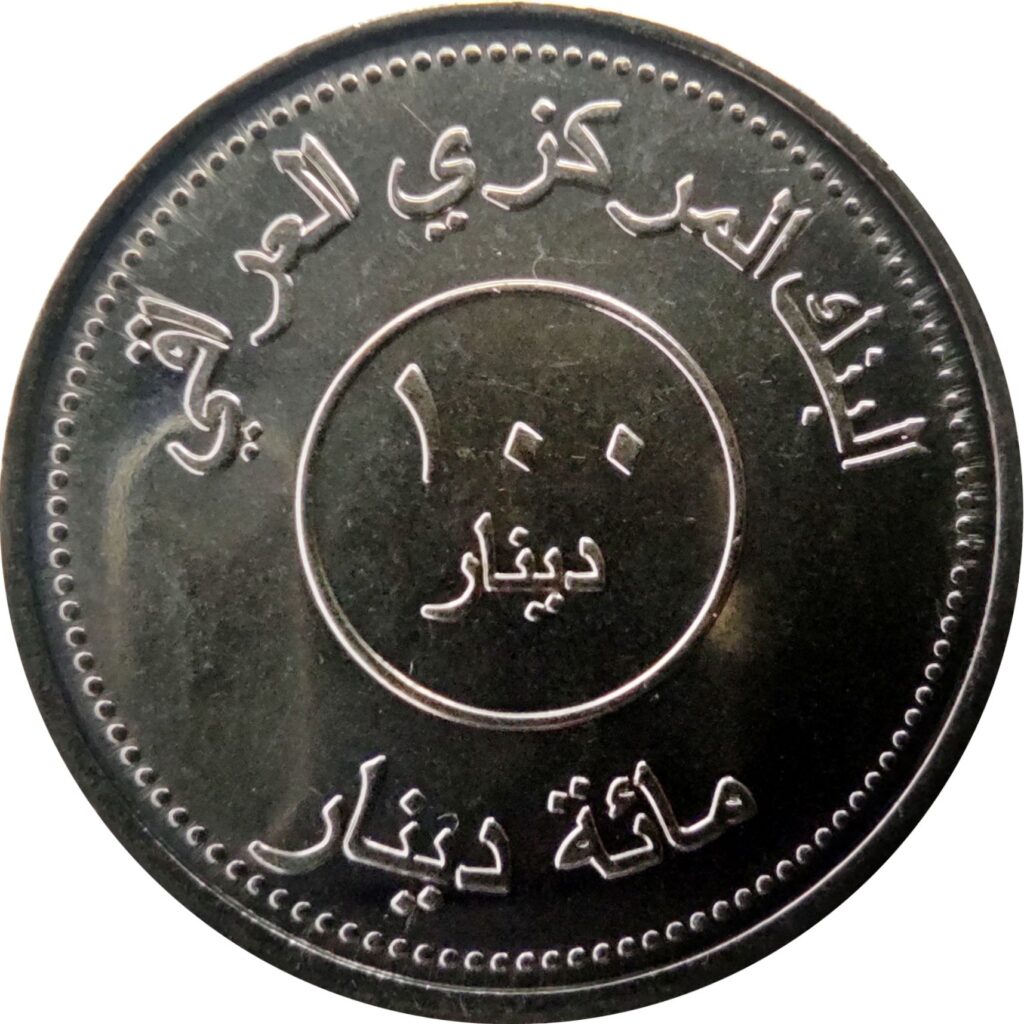
2004 Series: New coins of 25, 50 and 100 dinars were issued, struck in copper-plated steel, brass-plated steel and nickel-plated steel.
Banknotes: Reflecting Turbulent History
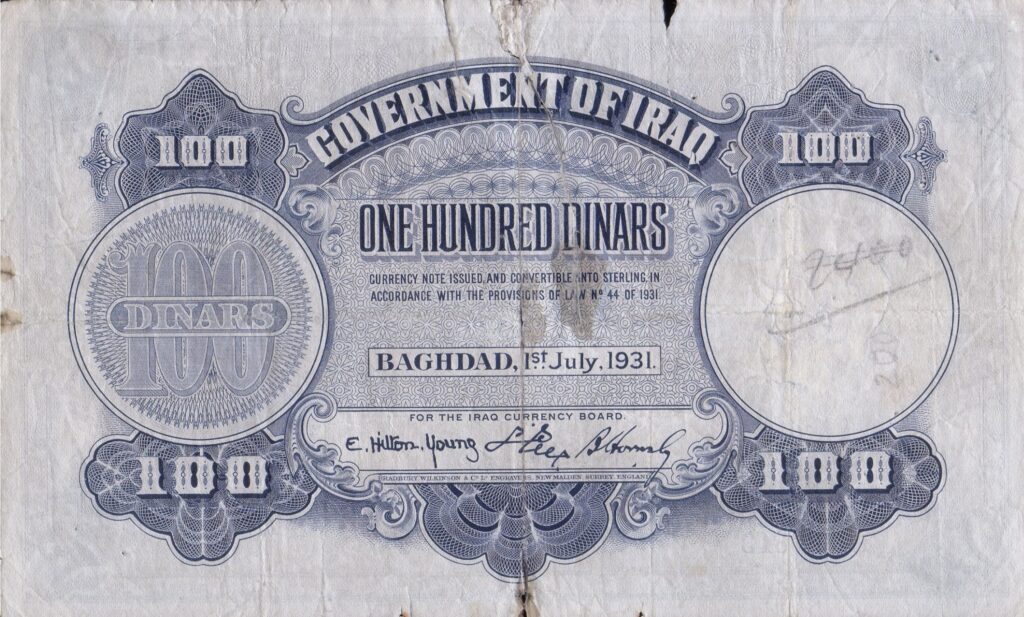
1932–1940s: The earliest Iraqi banknotes (¼, ½, 1, 5, 10, 100 dinars) were printed in the UK and maintained convertibility with the British pound.
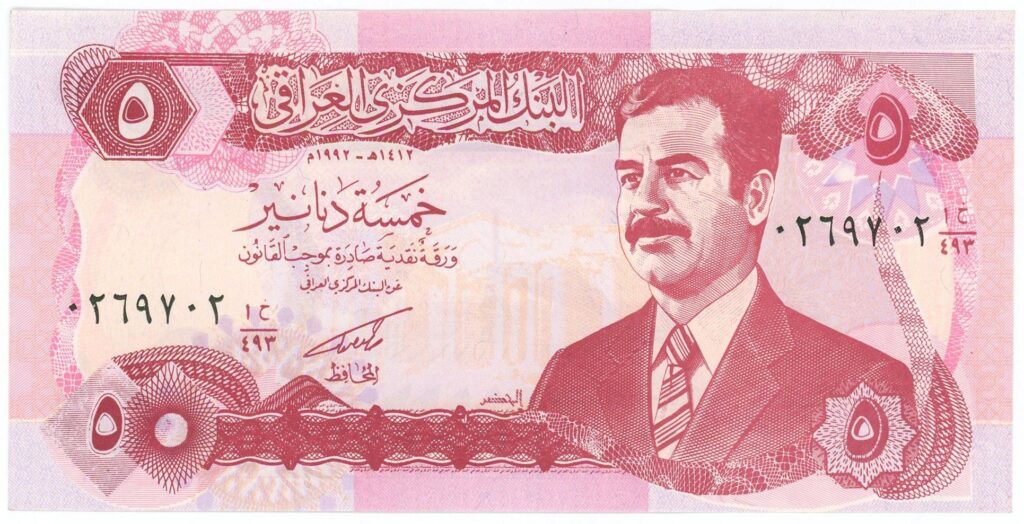
1990s–2003 (Saddam era): Banknotes bore the portrait of Saddam Hussein, and the currency was printed using lower quality paper and less secure processes during sanctions. These notes are often called “Saddam dinars.”
2003 Series (post-invasion): A unified new currency series was introduced with denominations including 50, 250, 1,000, 5,000, 10,000 and 25,000 dinars.
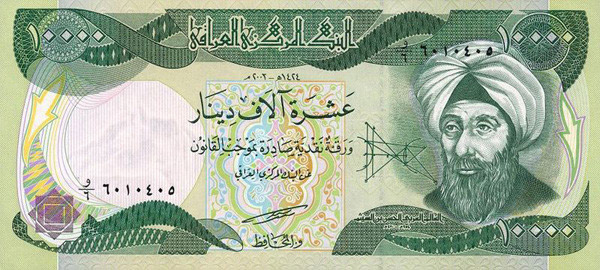
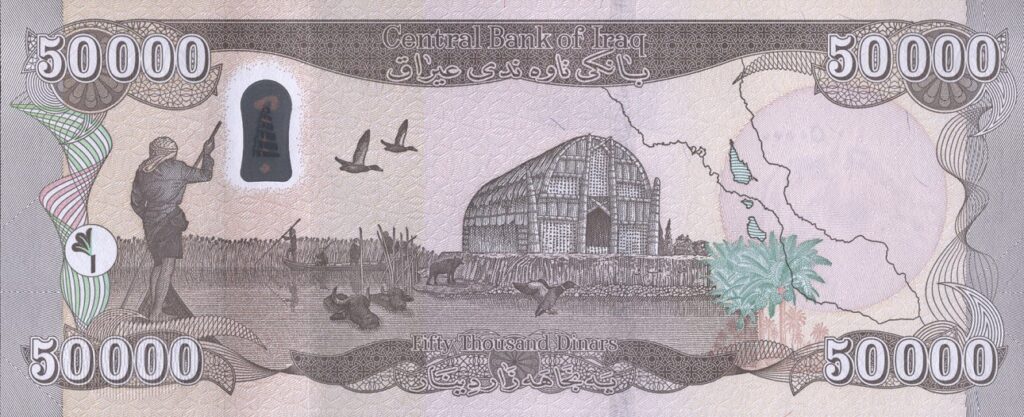
2015 Update: A 50,000-dinar note was introduced, along with upgraded security features and updated designs to reflect Iraq’s heritage and diversity.
Why Coins and Notes Matter
The evolution of Iraq’s coins and banknotes mirrors the country’s political and economic changes, from kingdom to republic, war to reconstruction. For example, the shift away from royal imagery to national symbols, the introduction of higher-value banknotes during inflationary periods, and the decline in coin production after 1990 all tell a story of national upheaval.