Arab Economies in 2025: Where Iraq Stands
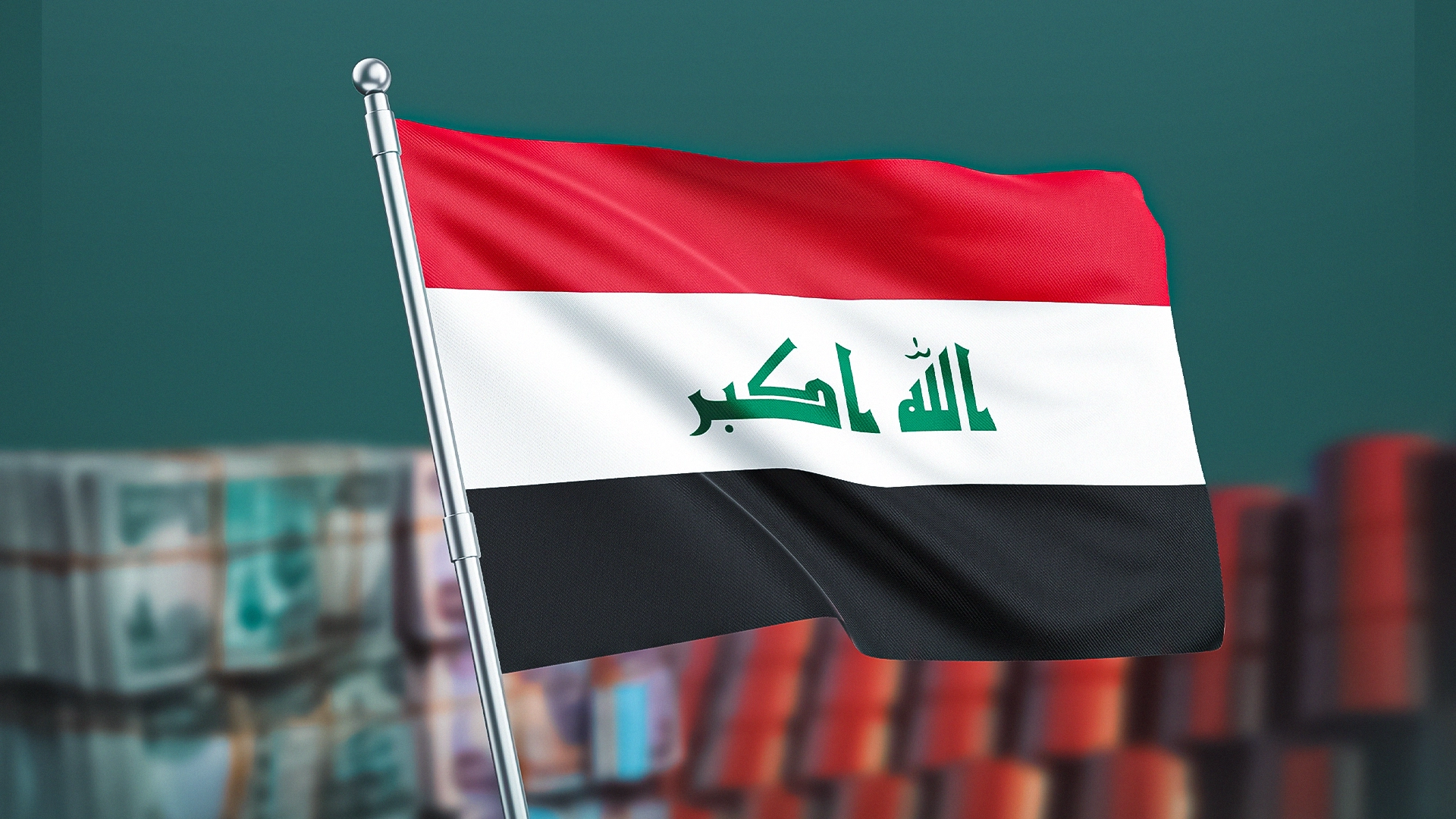
Iraq remains one of the Arab world’s largest economies, buoyed by vast oil resources but constrained by deep structural weaknesses that continue to limit its long-term growth prospects, according to the International Monetary Fund’s (IMF) 2025 World Economic Outlook.
How Economists Measure “Strength”
Economists evaluate national economic power through three main indicators:
- Nominal GDP – the total value of goods and services produced, expressed in U.S. dollars at market exchange rates;
- GDP (Purchasing Power Parity, PPP) – adjusted for local price levels to compare real domestic purchasing power;
- GDP per capita – dividing total output by population to measure average income and living standards.
No single metric captures the full picture, but together they reveal how economies compare in scale, resilience, and prosperity.
Iraq’s Economic Standing (IMF 2025 Estimates)
Nominal GDP: ≈ US$258 billion, placing Iraq fifth among Arab economies, behind Saudi Arabia, the United Arab Emirates, Egypt, and Algeria.
GDP (PPP): ≈ US$690 billion, also ranking fifth regionally.
GDP per capita (PPP): estimated between US$15,000 and US$25,000 — well below the Gulf Cooperation Council (GCC) average of US$50,000 – 120,000.
By comparison, Saudi Arabia’s nominal GDP exceeds US$1.2 trillion, while the UAE is projected near US$550 billion, according to IMF data.
An Oil Giant with Structural Strains
Iraq’s economy remains among the most oil-dependent in the world.
Oil accounts for roughly 90 percent of export earnings, 85 percent of government revenue, and about 40 percent of total GDP, according to the World Bank.
Crude output averaged around 4 million barrels per day in early 2025, but OPEC+ production quotas and price volatility continue to pressure fiscal revenues.
The IMF’s July 2025 assessment warned that “high public spending, limited fiscal buffers, and lower oil prices” are heightening Iraq’s macroeconomic risks.
Non-oil growth remains modest, 2.5 percent in 2024, down from 13.8 percent in 2023, underscoring limited progress on diversification and private-sector reform.
A Mixed Outlook
Despite these challenges, Iraq’s economic scale still places it within the top tier of Arab economies. Its vast energy reserves, young population, and reconstruction needs offer potential drivers of future expansion, but only if structural reforms accelerate.
The IMF and Arab Monetary Fund both urge Iraq to diversify revenue sources, modernize fiscal policy, and strengthen public institutions to reduce exposure to oil shocks.
As the IMF noted, Iraq’s economic rank “reflects size, not sustainability.” Converting that size into durable growth will require long-term fiscal discipline and investment in human capital.
BOTTOM LINE
Iraq is the Arab world’s fifth-largest economy, a resource giant still searching for stability beyond oil.
29/10/2025