Yale University Uncovers Evidence of Mass Graves and Concealed Killings in North Darfur
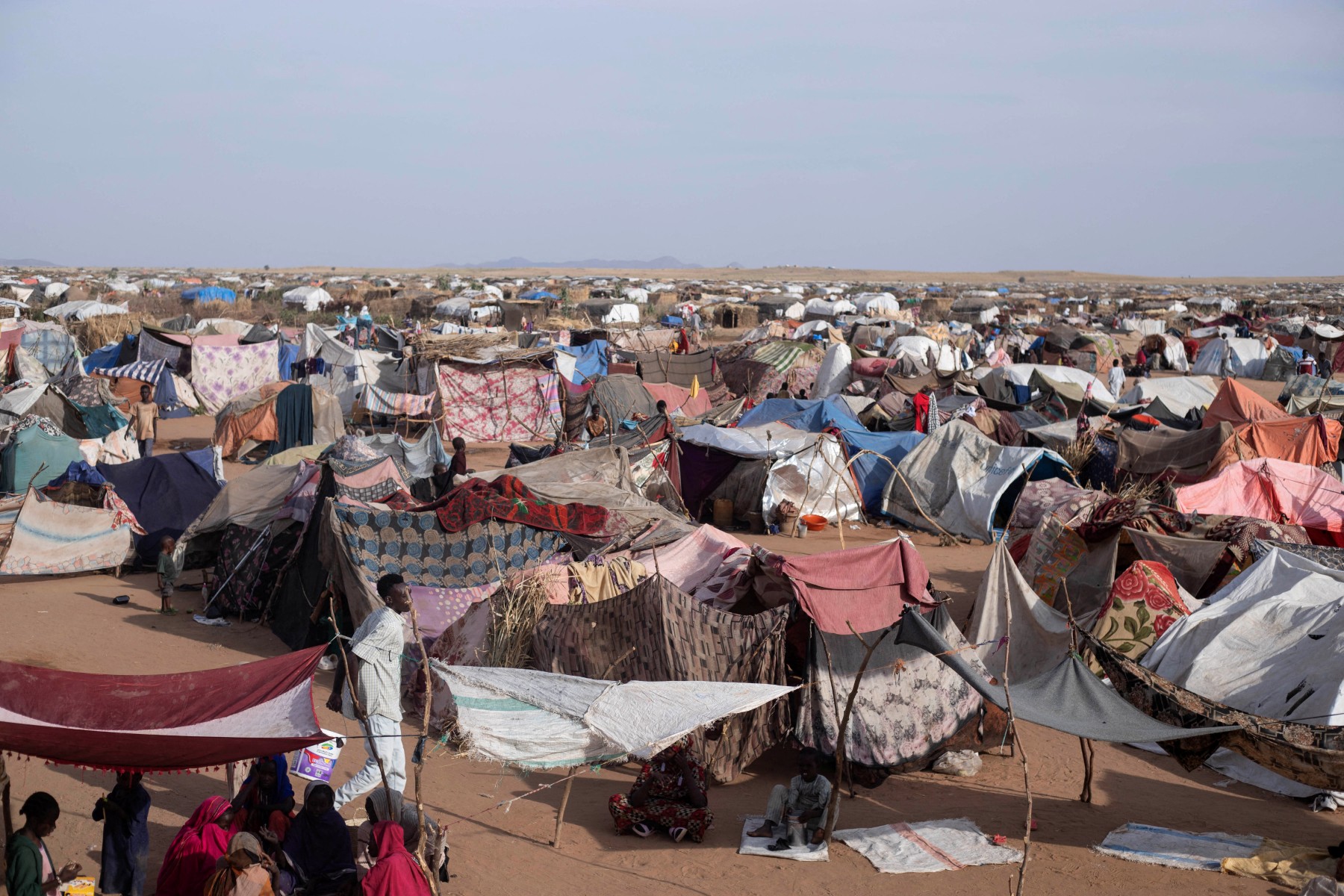
A new report by Yale University’s Humanitarian Research Lab has revealed evidence suggesting that the Rapid Support Forces (RSF) carried out mass killings in El Fasher, North Darfur, before digging mass graves to conceal the crimes after seizing control of the city from Sudanese army forces.
The report, published by the Yale School of Public Health, analyzed satellite imagery collected between mid- and late October and found what it described as “suspicious activity” consistent with recent burial operations. The findings indicate the possible existence of multiple mass-grave sites within El Fasher.
Researchers identified heavy machinery movement near El Fasher Teaching Hospital and in several residential neighborhoods heavily damaged during recent clashes. Visible changes in soil color and dark patches were interpreted as potential signs of blood, fire, or freshly disturbed ground, pointing to attempts by RSF units to bury bodies and erase evidence of atrocities.
Dr. Nathaniel Raymond, who heads the Humanitarian Research Lab, said the images reveal “a systematic effort to conceal crimes, not simply emergency burials.” He added that the activities observed in El Fasher mirror patterns of documented crimes in Darfur between 2003 and 2005.
The report concluded that mass graves are being used to destroy forensic evidence and block access by international investigators, noting that satellite imagery shows the leveling of soil immediately after burials at multiple suspected execution sites.
The Yale findings provide some of the most compelling technical documentation to date of the ongoing atrocities in Darfur, offering independent visual confirmation at a time when the region remains largely cut off from outside communication and humanitarian access.
Calls for International Action
The Yale laboratory urged the United Nations and the International Criminal Court (ICC) to open an urgent investigation into the alleged crimes, warning that further delays could lead to the permanent loss of forensic evidence.
The findings follow warnings from Doctors Without Borders (MSF) and UN agencies of an “imminent humanitarian catastrophe” in El Fasher, amid reports of ethnic-targeted killings, mass displacement, and severe shortages of food and medical supplies.
Meanwhile, Sudan’s Security and Defense Council has called for a “general popular mobilization” to confront the Rapid Support Forces, as fighting continues to spread across several Darfur states.
05/11/2025