Republicans Rally Behind Trump After Election Losses, Emphasizing Unity and Economic Message
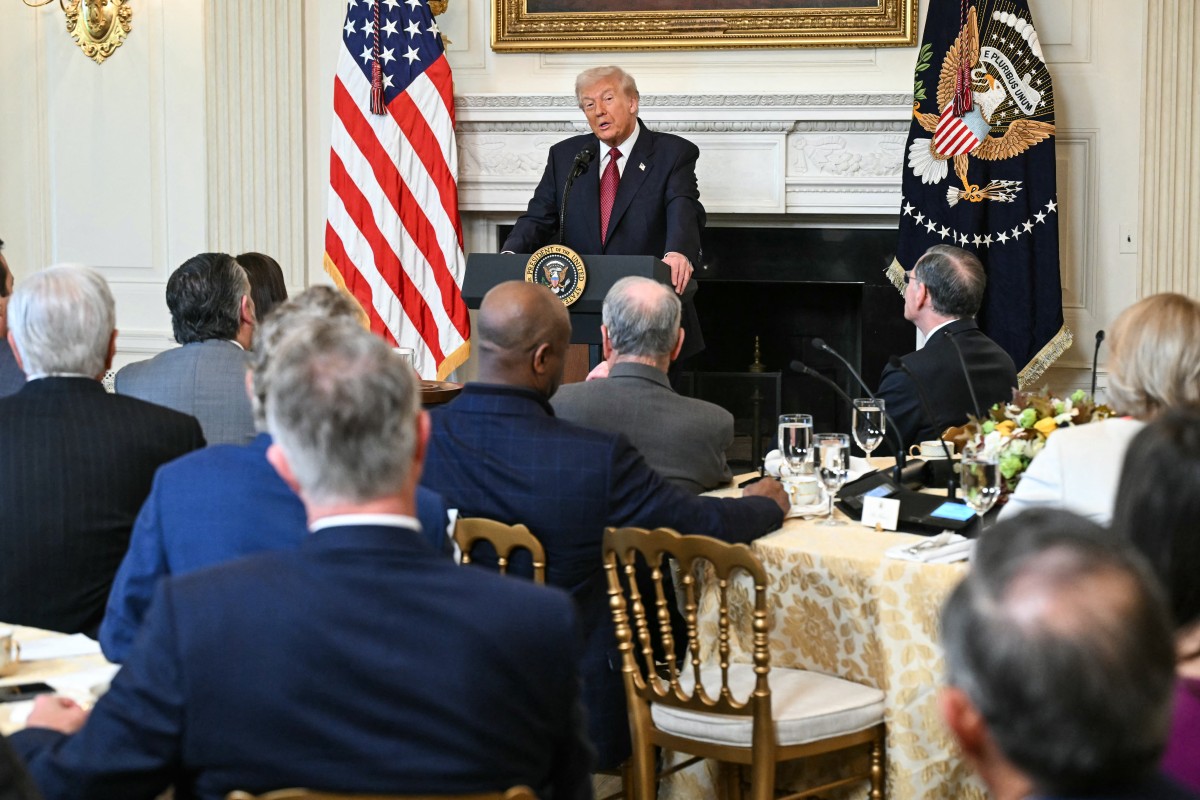
Almost two weeks after Republican setbacks in elections in Georgia, New Jersey, Pennsylvania and Virginia, many GOP leaders say the losses do not reflect a problem with the party’s policies, its message or President Donald Trump’s leadership.
Trump argues that Democrats and the media are misleading voters who are anxious about high costs and the broader economy. Republican officials preparing for next fall’s midterms are urging candidates to embrace the president’s record and highlight achievements they believe are being overlooked.
These themes have emerged in private conversations, internal briefings and talking points shared among senior Republican decision-makers in Washington, including inside the White House, following the party’s Nov. 4 losses. Their assessment underscores how closely the GOP’s future remains tied to Trump, a term-limited president who insists the economy under his administration is stronger than reported.
Many voters are expressing economic frustration, although party strategists believe messaging clarity and a sharper focus on results can help Republican candidates regain momentum. Few within the GOP leadership team appear willing to challenge Trump’s direction or his read of the political landscape.
RNC stresses unity behind Trump’s agenda
“Republicans are entering next year more unified behind President Trump than ever before,” Republican National Committee spokesperson Kiersten Pels said. “The party is fully aligned behind his America First agenda and the results he is delivering for the American people. President Trump’s policies are popular, he drives turnout, and standing with him is the strongest path to victory.”
Trump’s approval ratings mirror those of former Presidents Barack Obama and George W. Bush at the same point in their terms. Both parties experienced losses in midterm elections under their leadership, a reminder of the challenges any incumbent party faces.
White House pivots to affordability message
Since the election, the White House has shifted its public message to focus more directly on affordability, an issue that voters consistently identify as a top concern.
Trump’s second term has included trade actions, a crackdown on illegal immigration, deployment of National Guard troops within the United States and the nation’s longest government shutdown. In the days after the election, Trump has spoken more about easing cost pressures. On Friday, he cut tariffs on beef and other goods that consumers say are too expensive.
Trump continues to argue that media reporting on consumer prices is misleading and insists the economy is performing better than critics acknowledge. In a Friday social media post, he said costs are “tumbling down” and accused Democrats of exaggerating affordability challenges.
Some of Trump’s specific claims about Thanksgiving dinner costs are incorrect. Grocery prices are up 2.7 percent from 2024. Economic concerns were the dominant issue for voters in this month’s elections, according to the AP Voter Poll.
GOP strategists urge candidates to stay focused
Republican strategist Doug Heye said the party should show voters it understands their struggles. He warned that distractions inside Washington can complicate that effort.
“Republicans need to relay to voters that they understand what they’re going through and that they’re trying to fix it,” Heye said. “As we saw in the recent elections, especially in Virginia, if you are not talking about what voters are talking about, they will tune you out.”
A different view from a key governor’s race
New York Rep. Elise Stefanik, a House Republican leader now running for governor, said affordability is the clear top issue for her constituents. She downplayed cultural debates that dominated some races, including the recent governor’s contest in Virginia.
“Our messaging is focused on high taxes, spending and unaffordability,” Stefanik told The Associated Press. She did not criticize Trump’s agenda but did not claim full party alignment behind him either.
Stefanik said Republicans in New York are united behind defeating Democratic Gov. Kathy Hochul. On questions about Trump potentially sending National Guard troops to New York City, she said it would not be necessary if a Republican were governor.
Her comments reflect the challenge facing GOP candidates balancing local priorities with national dynamics and Trump’s influence.
RNC talking points remain defiant
The Republican National Committee circulated talking points suggesting that recent losses were driven by Democratic advantages in key states rather than voter rejection of Republican policies. The memo downplays defeats in Georgia and Pennsylvania and promotes the idea that Trump’s political position remains strong.
An AP polling analysis, however, finds Trump’s approval is similar to where Obama and Bush stood in their second terms. Trump’s approval in a November AP-NORC poll was 36 percent, slightly higher than at the same point in his first term. Obama and Bush were in the low 40s.
The RNC messaging insists the recent elections “were not a referendum on President Trump, Republicans in Congress, or the MAGA Agenda.” To win in 2026, the memo says, turnout among “Make America Great Again” voters must increase, and Trump and Republican leaders will work to ensure that happens.
16/11/2025