Women Hold 28% of Seats in Kurdistan Parliament, But Far Fewer Senior Government Positions
Mohammed Jangadost 25/11/2025
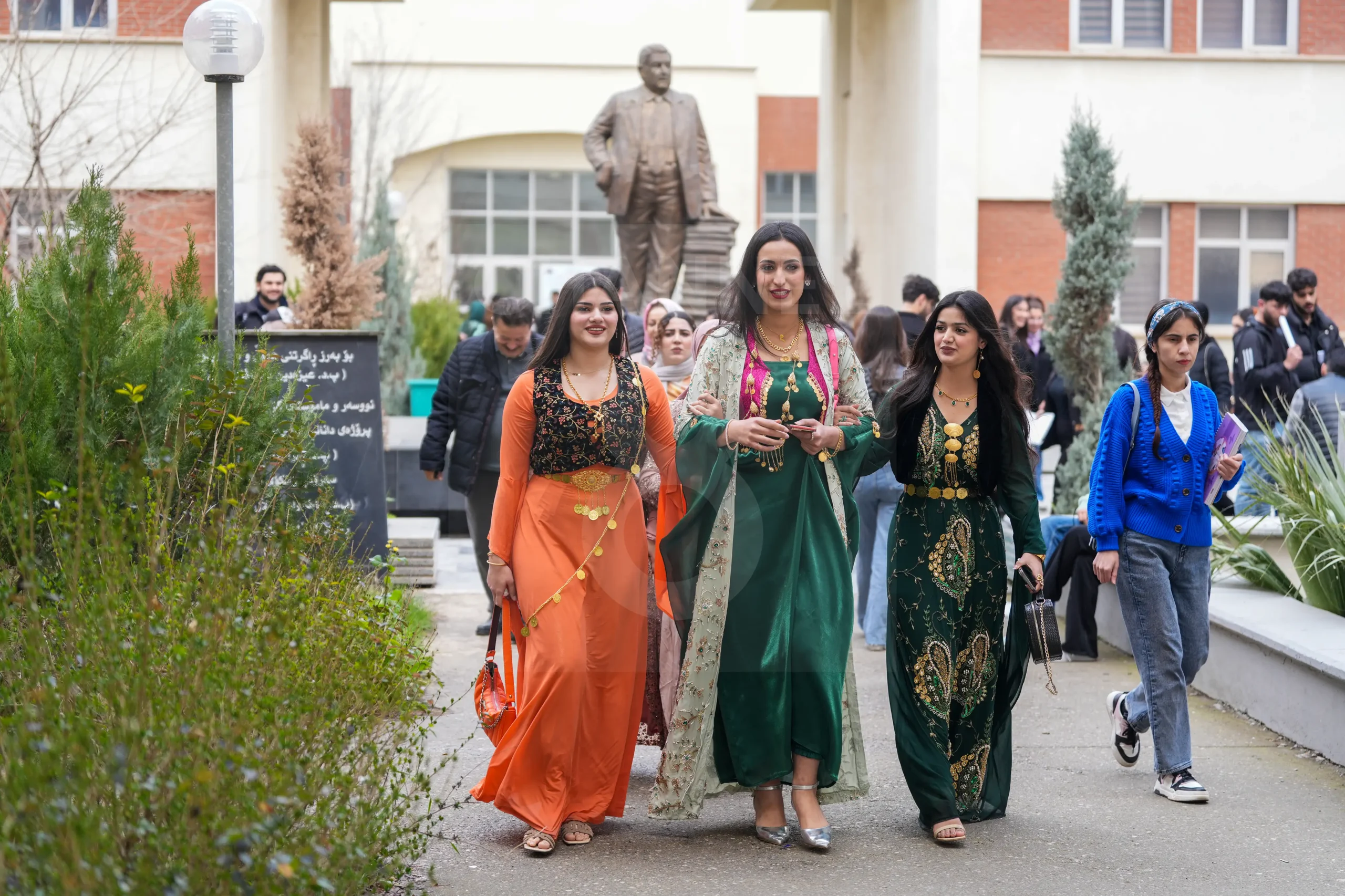
New official statistics reveal a significant gap between women’s representation in the Kurdistan Region’s legislative and executive branches. While women now hold 28% of seats in the Kurdistan Parliament, their presence in cabinet, presidency, and senior government positions remains far lower.
Strong Representation in Parliament
Women’s participation in the Kurdistan Parliament has steadily increased over the years:
- 28 women MPs, accounting for 28% of the legislature
- In the previous parliamentary term, both the Speaker and Secretary of Parliament were women, marking a historic milestone
- Representation has grown from just 8% in the first parliamentary term to above 25% in recent legislatures, largely due to quota reforms
Limited Representation in the KRG Cabinet and Presidency
Despite significant parliamentary gains, women remain underrepresented in the executive branch:
- In the ninth cabinet, only three ministers are women (Agriculture, Social Affairs, and Minister of State for Parliamentary Affairs)
- Senior posts are limited, with women heading only the Tourism Board and the Secretariat of the High Council of Women
- No women serve as President or Vice Presidents of the Kurdistan Region
- Among the Region’s four governors, only Halabja is led by a woman
Justice, Security, and Media Sectors
A report from the Coordinator of International Recommendations shows women’s participation across key sectors:
Justice & Judiciary
- 69 judges
- 185 detectives
- 255 assistant judges
Peshmerga Forces
Approximately 1,000 women serve within the Peshmerga forces
Media & Journalism
Within the Kurdistan Union of Journalists:
- 1,600 women are active members
- Out of 3,400 total members, women make up nearly half
Mohammed Jangadost
25/11/2025