Coordination Framework Split on Iraq PM Choice as “Independent Figure” Gains Traction
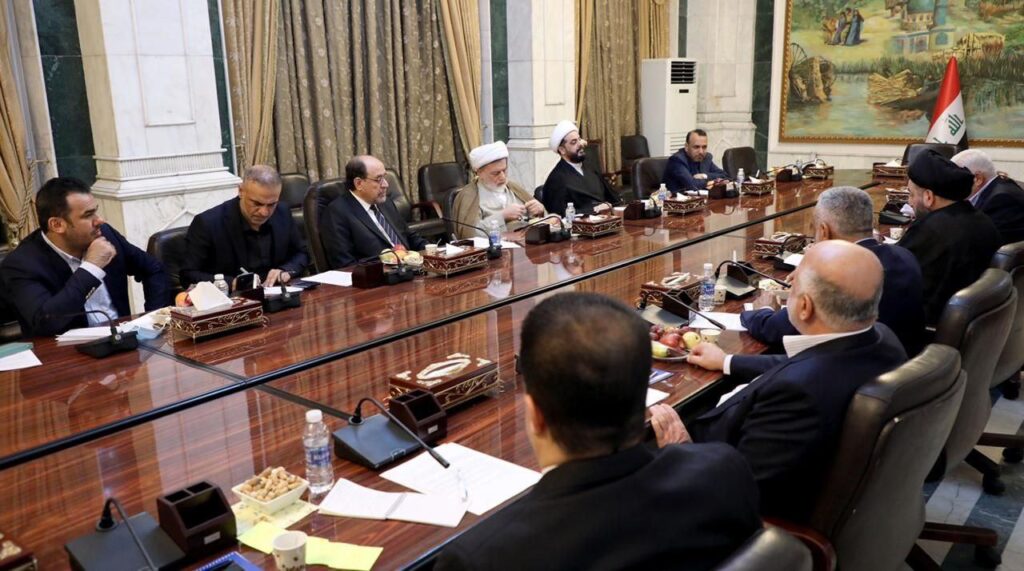
Talks within Iraq’s Coordination Framework to select the country’s next prime minister have entered a sensitive phase, as deep divisions over the selection mechanism have pushed the option of choosing an “independent figure” to the forefront, political sources said.
Disputes Over the Selection Method
Disagreements inside the Shiite political house, particularly among Coordination Framework factions, have intensified in recent days. The core dispute centers on how the next prime minister should be chosen.
One faction insists the nominee must present a clear and practical government program focused on economic and public-service reform. Another faction argues that political weight, alliances and internal balances should guide the selection.
Why an “Independent Personality” Is Emerging
According to political sources, momentum is building behind a proposal to nominate an independent figure for three key reasons:
- Reassurance for allies: An independent candidate would prevent any party or leader from dominating the post or expanding influence.
- Neutrality: The prime minister would not be under the direct control of any political faction.
- Electoral balance: An independent figure would be less likely to use the premiership to campaign or favor a specific electoral list.
Who Loses if This Scenario Advances
If the “independent personality” scenario gains consensus, several prominent names would be excluded from consideration, including Mohammed Shia al-Sudani and Nouri al-Maliki, both traditionally viewed as heavyweight contenders.
Competing Visions for the Next Government
Beyond the identity of the prime minister, parties are divided over the nature of the next government:
- Program-based government: Some factions want a cabinet built on a defined program with measurable goals and timelines.
- Consensus government: Others advocate for a broad-based, power-sharing government that ensures political balance and prevents unilateral decision-making.
Committees and Ongoing Negotiations
Since declaring itself the largest parliamentary bloc on Nov. 17, the Coordination Framework has formed two committees:
- A committee to interview and evaluate prime-ministerial candidates.
- A committee to negotiate with political and parliamentary blocs.
The most recent meeting was held on Nov. 24 at the home of Hadi al-Amiri, where leaders reviewed a shortlist of names submitted so far.
Sources say the coming days will be decisive as factions weigh the political risks and benefits of endorsing an independent figure versus backing a partisan nominee.
29/11/2025