Iraq Cuts Import Tariffs 25% as ASYCUDA System Drives Traders to Kurdistan Region
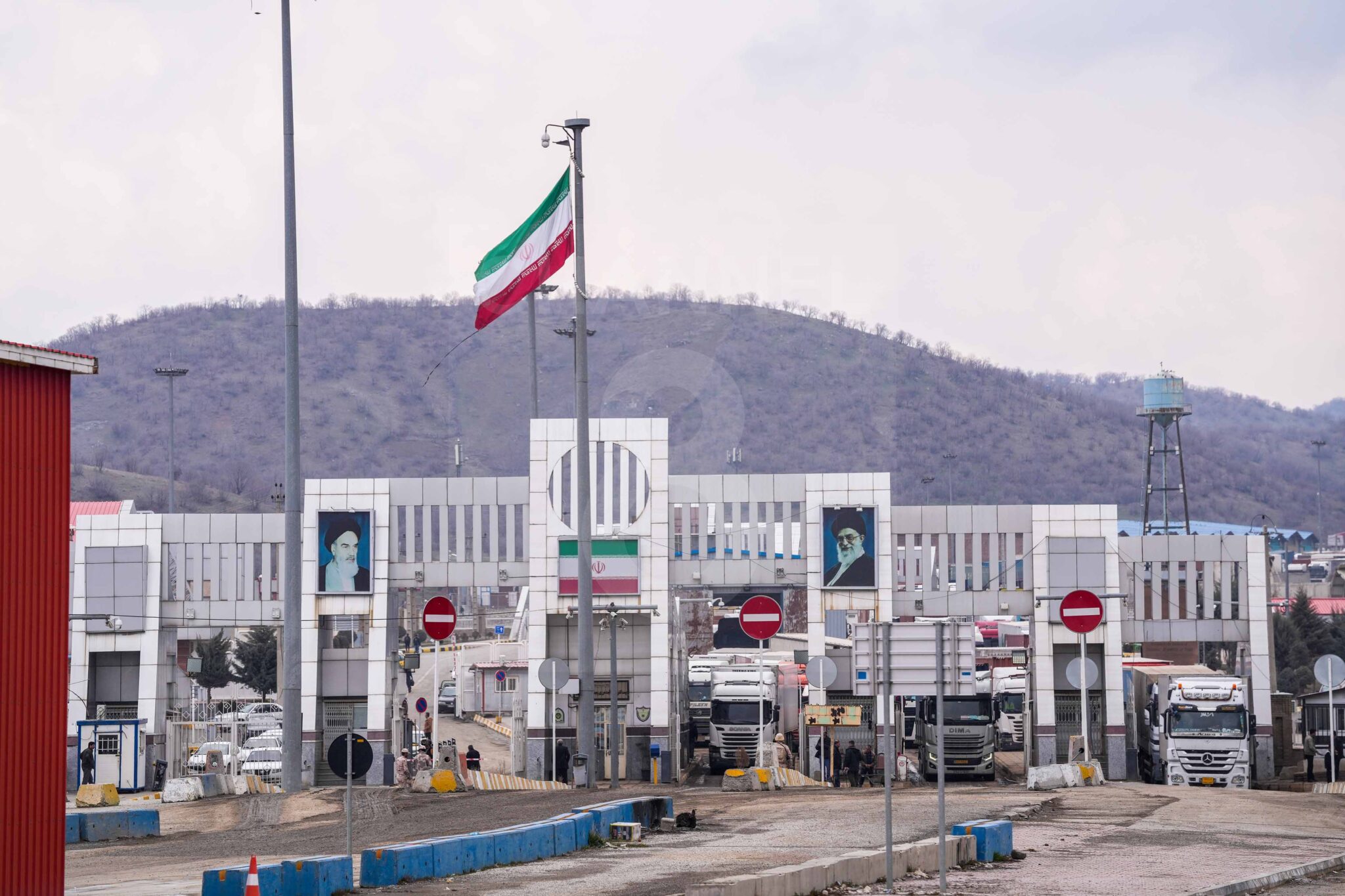
The Iraqi government has announced a 25% reduction in average import values at all border crossings in southern Iraq and the Kurdistan Region, revising revenue projections from its controversial ASYCUDA customs system that has disrupted trade flows since its implementation earlier this year.
ASYCUDA System Sparks Trader Backlash
The Automated System for Customs Data (ASYCUDA), introduced at the beginning of 2025, has generated significant discontent among Iraqi merchants due to its stringent financial requirements.
Under the system, traders seeking access to U.S. dollars at the official exchange rate of 132,000 Iraqi dinars must deposit 1% of their shipment's value as collateral and pay customs duties in advance measures that have substantially increased the cost of doing business.
Unintended Consequences: Black Market Dollars and Dinar Depreciation
The system's strict enforcement in southern Iraq inadvertently shifted trade flows northward. Traders increasingly turned to border crossings in the Kurdistan Region, where ASYCUDA was not enforced, forcing them to purchase dollars on the black market to complete transactions.
This shift contributed to upward pressure on the dollar's exchange rate and weakened the Iraqi dinar the opposite of the government's intended outcome.
By reducing tariffs and easing pressure at southern ports, Baghdad now aims to redirect commercial traffic back to its official crossings, stabilize black market currency trading, and support the dinar's value.
Strategic Goals: Transparency and Revenue Collection
The government's stated objectives for ASYCUDA include preventing fictitious money transfers, ensuring legal importation of goods, collecting state taxes transparently, and facilitating proper financial settlements for companies at fiscal year-end.
Despite the tariff reduction, the system's framework remains in place to achieve these goals.
Customs Duty Structure by Product Category
The ASYCUDA system applies differentiated tariff rates based on product type:
30% duties: Frozen meat, eggs, fish, flour, alcoholic beverages, tobacco products, cigarettes, and antiques
15% duties: Automobiles, motorcycles, aircraft, glassware, stone products, salt, footwear, clothing, children's toys, musical instruments, carpets, and fabrics
10% duties: Live animals, cocoa, coffee, tea, spices, and perfumes
5% duties: Dairy products, animal fats, cereals, sugar, agricultural machinery, industrial machinery, timber, books, and paper
Balancing Revenue and Economic Stability
The 25% tariff reduction represents Baghdad's attempt to balance fiscal revenue goals with economic realities, as the initial ASYCUDA implementation created unintended market distortions that undermined both trade flows and currency stability.
Whether the adjusted system will successfully bring traders back to southern ports while maintaining transparency objectives remains to be seen.
02/02/2026