Kobani and Global Internet Blackouts: Governments Exploit Shutdowns to Tighten Censorship
As authoritarian regimes increasingly weaponize internet shutdowns to silence dissent, many are also using these blackouts to strengthen censorship firewalls, Switzerland-based internet privacy company Proton warned in an interview with AFP.
Proton, known for its encrypted email and VPN services, has tracked how governments apply what it calls “censorship as a playbook.” Lead product manager Antonio Cesarano explained that countries like Iran and Myanmar often emerge from shutdowns with far more advanced censorship capabilities than before.
VPNs, which provide secure and encrypted connections to bypass restrictions, have long been a lifeline for citizens under repressive regimes. But Proton fears that prolonged blackouts are now being used to develop sophisticated tools to counter VPNs. “We’ve seen censorship capabilities go from nothing, or something laughable, to something very skilled,” Cesarano said.
‘Censorship as a Service’
Proton’s VPN general manager David Peterson noted that this sudden leap in censorship strength may be linked to “censorship as a service” technology exported by countries with advanced know-how. “For example, Chinese ‘great firewall’ technology has been adopted by Myanmar, Pakistan, and several African nations,” he said.
The willingness to impose total internet shutdowns is also growing. Proton’s non-profit VPN Observatory, which tracks spikes in VPN usage to detect crackdowns, has documented multiple cases in recent months.
Among them:
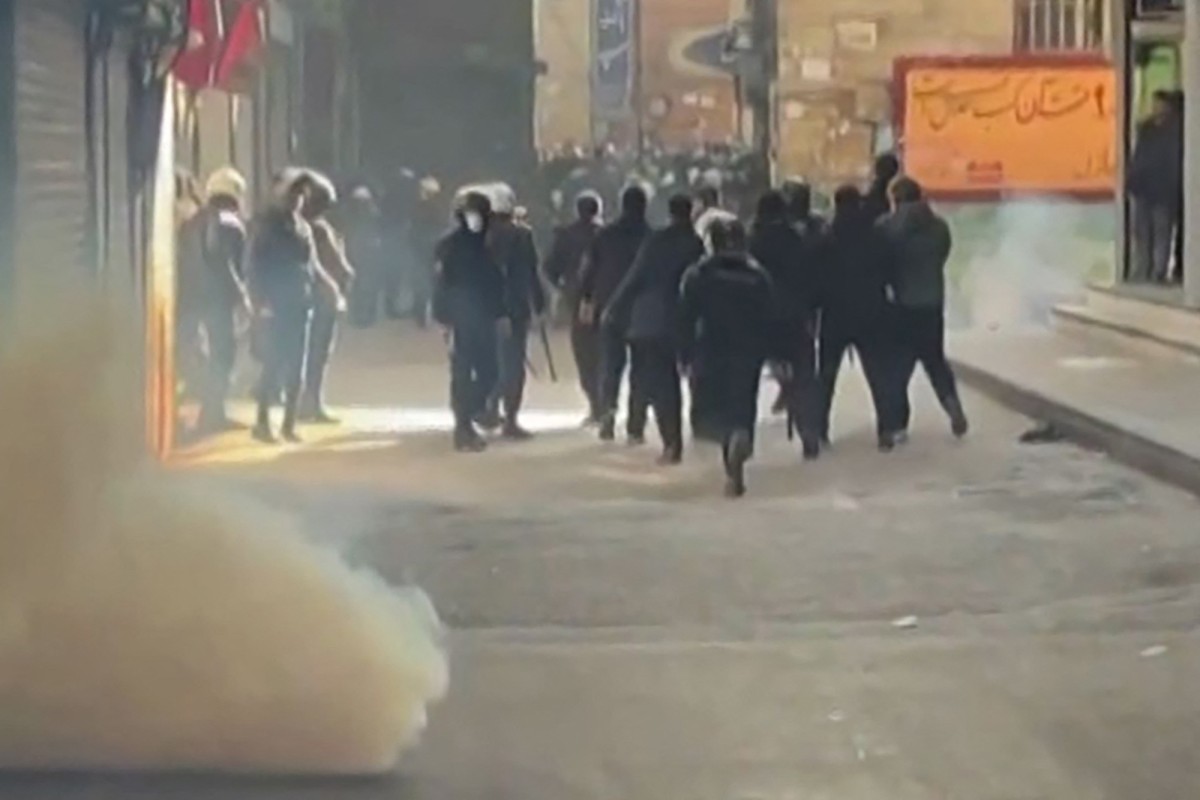
- Iran’s near three-week blackout during nationwide protests, which rights groups say masked a deadly crackdown.
- Uganda’s weeklong shutdown ahead of elections.
- Afghanistan’s telecoms blackout last year.
- And most recently, the Kurdish city of Kobani in Syria, where the Syrian government surrounded the city and cut off internet, electricity, and food supplies. Residents were left isolated, unable to communicate with the outside world or access basic necessities.
VPN ‘Honeypots’ and Risks
Cesarano warned that complete blackouts are “very dangerous and costly for the population,” grinding economies to a halt and leaving communities vulnerable.
In Myanmar, where VPN use is outlawed, authorities have deployed fake VPNs as “honeypots” to identify dissidents. Police have even stopped citizens on the streets to search their phones for VPN apps.
To counter this, Proton has introduced features that disguise its VPN as harmless apps like calculators or weather tools, helping users avoid detection.
Spikes in VPN Demand
The VPN Observatory has observed massive surges in demand ahead of shutdowns. In Iran, Proton saw a 1,000-percent rise in VPN usage just before the January 8 blackout. Uganda experienced an 890-percent spike in sign-ups before its election-related shutdown. Venezuela also saw VPN usage jump 770 percent after political upheaval earlier this year.
Cesarano described the struggle against censorship as a “cat and mouse game,” with governments tightening control while citizens seek new ways to stay connected.
05/02/2026