Iraq Faces Dinar Liquidity Shortage, Delays Salaries to Kurdistan Region
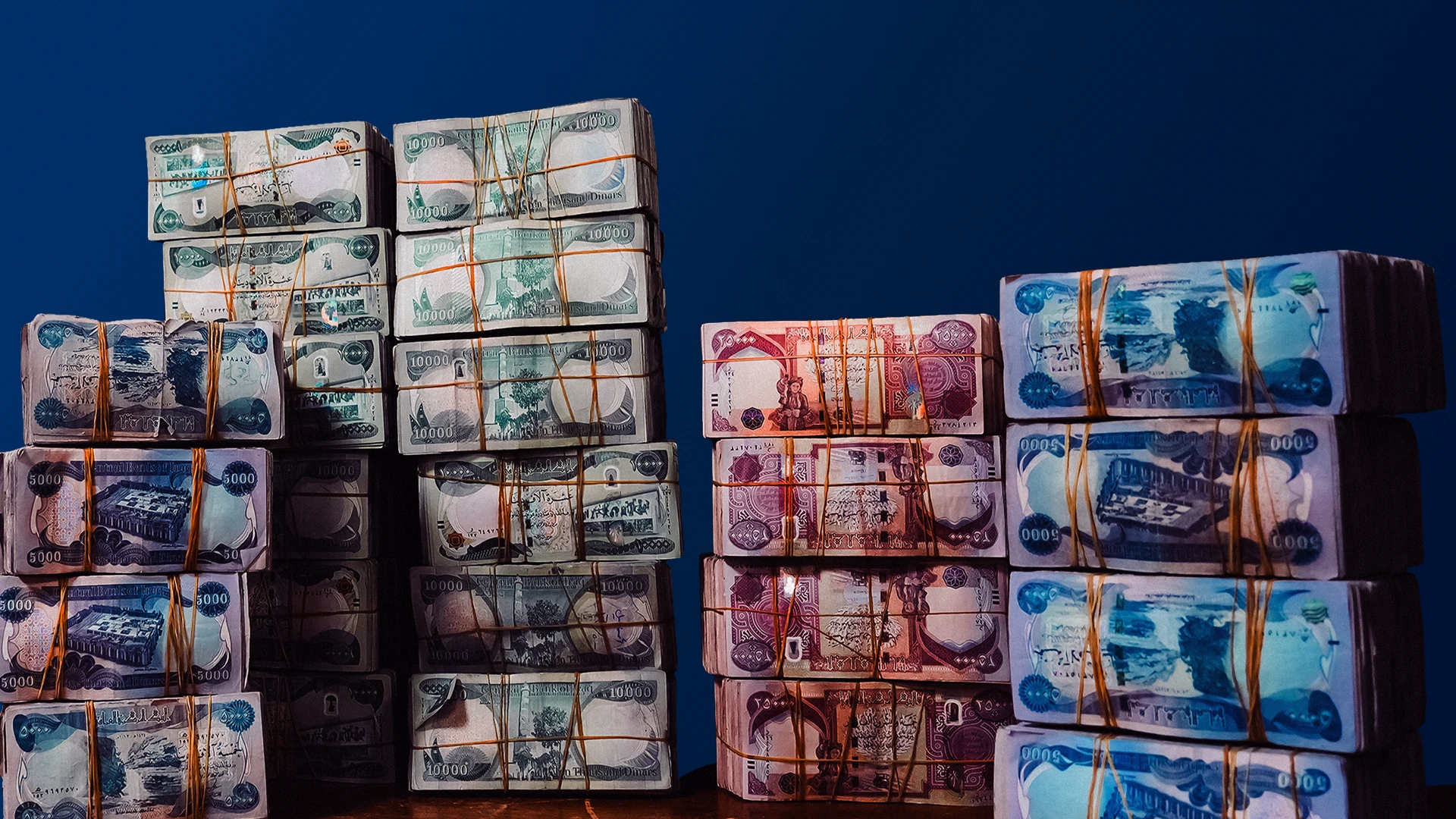
Iraq is experiencing a shortage of cash liquidity in Iraqi dinars, delaying salary transfers to the Kurdistan Region for the first time in years, officials said.
On February 5, the federal government completed the distribution of January salaries, a process that was previously finalized by the 28th of each month. The delay has affected transfers to the Kurdistan Regional Government (KRG), reportedly due to a liquidity shortfall in dinar cash.
Cash Shortage Affects Salary Transfers
A KRG finance official told Channel8 that Iraq’s Ministry of Finance is facing a liquidity problem in funding the first month’s salaries for Kurdistan Region employees.
“The Iraqi Ministry of Finance has a cash liquidity problem to fund the first month’s salaries for Kurdistan Region employees,” the official said. “Salary notifications are expected to be issued at the beginning of this week, and once the funds are credited to the region’s financial account, salaries will be distributed within three days.”
The delay comes despite official data showing large amounts of dinar currency circulating within the country.
Central Bank Data Shows 101 Trillion Dinars in Circulation
In October 2025, the Central Bank of Iraq reported that 101 trillion and 15 billion dinars were in circulation across the country.
According to the bank’s data:
- 93.789 trillion dinars are held by private banks and citizens
- 70.317 trillion dinars are held by private banks and companies
- 23.472 trillion dinars are held by citizens, representing about 25% of the total held outside state institutions
- State-owned banks and the Ministry of Finance hold just 7.226 trillion dinars
Iraq requires approximately 8 trillion dinars per month to cover salaries for public sector employees, pensioners and social welfare beneficiaries.
Rising Operating Costs
Spending pressures have increased significantly in recent years. Under the three-year federal budget covering 2023, 2024 and 2025, about 1.7 million families have received financial assistance through Iraq’s social welfare network.
In addition to public sector wages and pensions, expanded social welfare obligations have contributed to rising operational expenditures.
Mazhar Mohammed Salih, financial adviser to Prime Minister Mohammed Shia al-Sudani, acknowledged a shortage in the supply of Iraqi dinars for salary payments.
He noted that while most government service projects are funded in dinars, foreign companies operating in the oil sector and major strategic projects are paid in US dollars.
The liquidity strain underscores broader fiscal challenges as Iraq balances domestic spending commitments with currency management and revenue flows.
07/02/2026