Escobar, El Chapo and El Mencho: How Three Drug Lords Shaped the Modern Narco Era
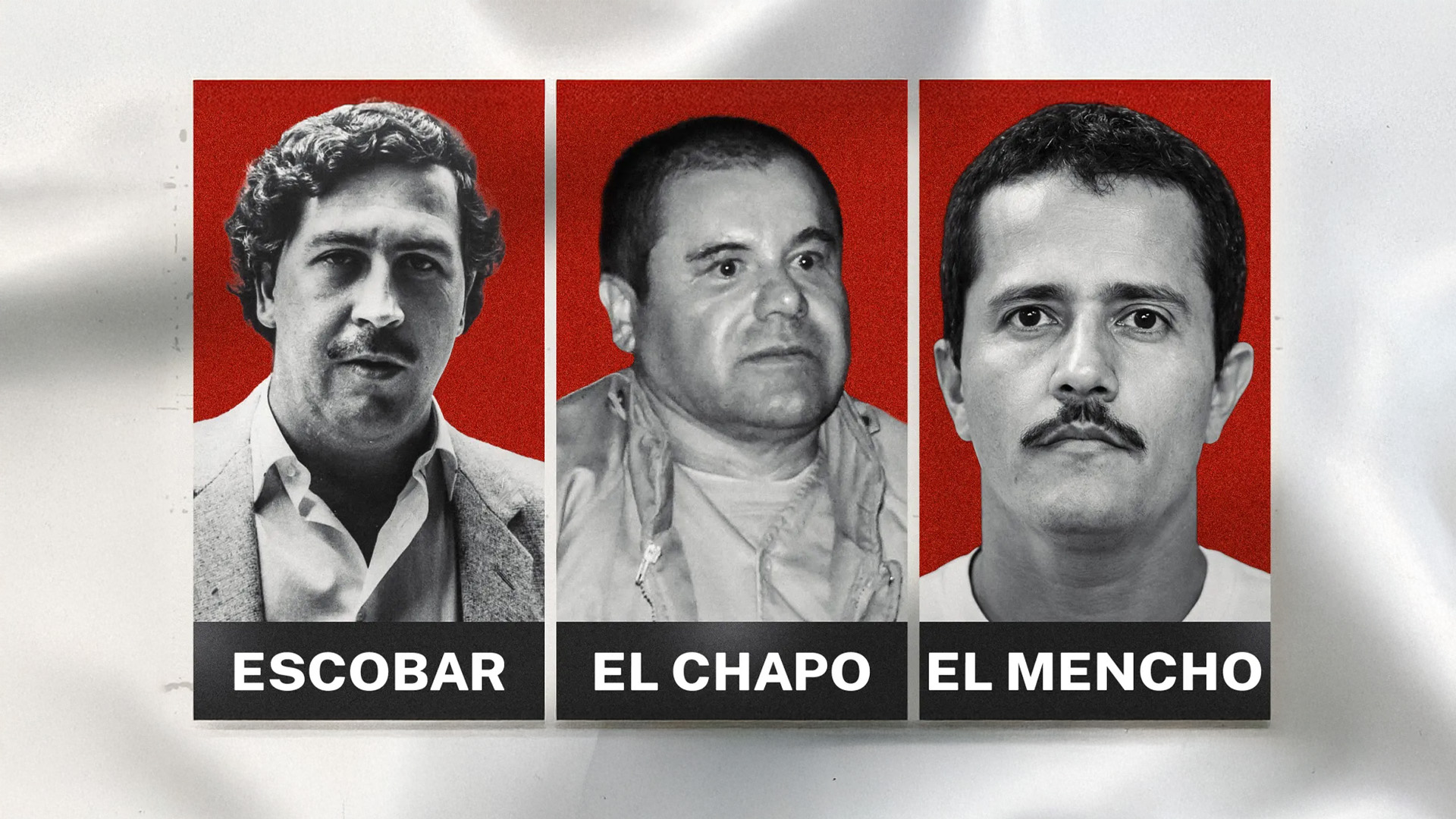
Each rose from modest beginnings to lead criminal empires that reshaped international narcotics trafficking, fueled unprecedented violence and left lasting impacts on law enforcement and society far beyond Latin America.
Two Empires, Two Models of Power
Pablo Escobar, born to a farming family in rural Colombia, built the Medellín Cartel into what many analysts consider the most powerful cocaine operation in history. At the height of his power in the 1980s, U.S. authorities estimated his organization controlled the majority of the global cocaine supply, moving tons of narcotics daily into North America.
Escobar’s influence extended beyond trafficking. He cultivated an image as both benefactor and feared enforcer, blurring the line between outlaw and political figure. His reign ended violently in December 1993, when Colombian security forces killed him during a rooftop shootout in Medellín, a moment that became symbolic of the fall of the era’s most notorious drug kingpin.
Joaquín “El Chapo” Guzmán, by contrast, represented a different generation of cartel leadership. Emerging from Mexico’s Sinaloa region, Guzmán built a decentralized trafficking network focused on logistics, adaptability and global supply chains. Unlike Escobar’s highly visible style, Guzmán relied on operational secrecy and diversified drug routes, expanding into heroin, methamphetamine and later fentanyl.
After years of dramatic prison escapes and international manhunts, Guzmán was extradited to the United States in 2017. He was later sentenced to life in prison following a high-profile federal trial that detailed the scale of the Sinaloa Cartel’s operations.
The Question of Scale
Debates over who was the “largest” drug lord remain unresolved, largely because their empires operated in different eras and under different market conditions.
Escobar is widely remembered for the sheer volume of cocaine trafficking and his ability to influence Colombian society through violence and political intimidation. His fortune was estimated in the tens of billions of dollars, though precise figures remain uncertain.
Guzmán’s influence, meanwhile, is often measured in operational longevity and business structure. U.S. prosecutors said the Sinaloa Cartel moved billions of dollars’ worth of narcotics into the United States during the years covered by his indictment alone. Court testimony described massive shipments, sophisticated tunnels and complex international networks designed to withstand leadership losses.
One built a kingdom defined by spectacle and fear; the other built a system designed to survive beyond the individual.
The Rise — and Fall — of El Mencho
The debate has gained renewed attention following the reported death of Nemesio Oseguera, leader of the Jalisco New Generation Cartel (CJNG), one of Mexico’s most powerful and violent criminal groups in recent years.
Security analysts describe CJNG as a more militarized organization than many of its predecessors, known for direct confrontations with government forces and aggressive territorial expansion. The cartel combined traditional drug trafficking with paramilitary-style tactics, contributing to escalating violence in several Mexican states.
The Jalisco New Generation Cartel (CJNG) is one of Mexico’s most powerful and rapidly expanding criminal organizations, known for its highly militarized structure, aggressive tactics and global drug trafficking operations. Emerging in the early 2010s after the fragmentation of older cartels, the group built its influence through control of key trafficking routes, large-scale production and export of synthetic drugs such as methamphetamine and fentanyl, and violent confrontations with rival groups and state forces.
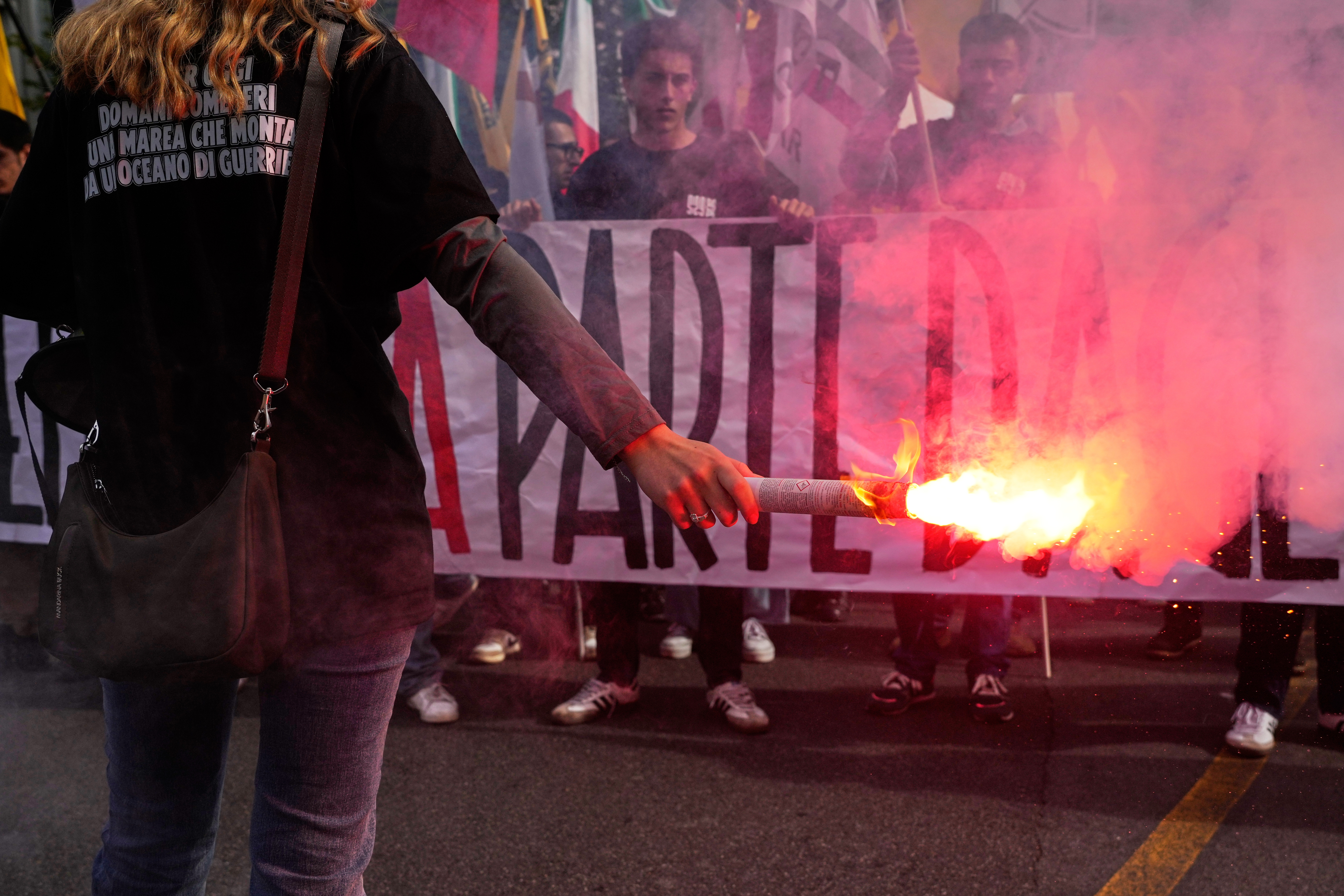
Reports of Oseguera’s death during a security operation have been followed by unrest in parts of Mexico, including road blockades, vehicle burnings and clashes linked to cartel factions. Authorities and analysts warn that the removal of a cartel leader often triggers internal power struggles rather than immediate stability.
A Changing Narco Landscape
The trajectories of Escobar, Guzmán and Oseguera illustrate how the drug trade has evolved over decades, from centralized cocaine empires to diversified, network-based organizations capable of adapting to global markets.
Experts note that eliminating high-profile leaders rarely dismantles the broader trafficking systems. Instead, power vacuums can fragment groups and intensify violence as rival factions compete for control.
Who Was the Biggest?
In terms of historical notoriety and cultural impact, Escobar remains the most recognizable figure of the narcotics era. In terms of operational resilience and global reach, many analysts argue Guzmán’s model proved more sustainable.
El Mencho’s rise, meanwhile, reflected a new phase marked by militarization and rapid expansion, a reminder that the structure of organized crime continues to evolve.
As Latin America confronts the consequences of cartel violence, one pattern remains constant: the fall of a kingpin rarely marks the end of the system that produced him.

.jpg)