DNA Tests Planned for Unearthed Erbil Archaeological Site as Monument Project Announced
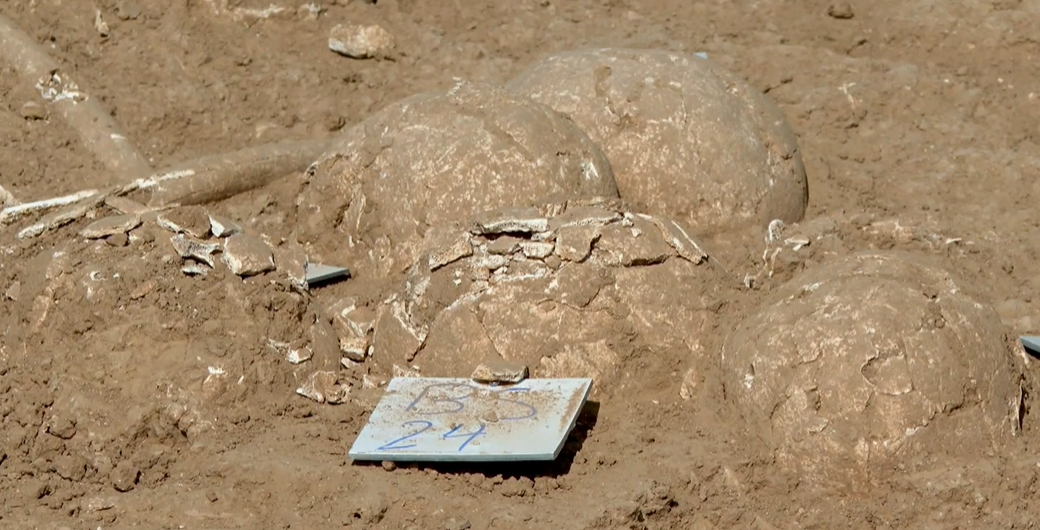
Archaeological teams have uncovered a new historical site dating back more than 1,400 years in the Baghlumnara neighbourhood of Erbil, following the discovery of 108 skulls and several ancient relics.
How the Site Was Found
On March 7, during municipal work on the 60-meter street project in Baghlu Manor, workers unearthed fragments of bones and pottery. After notifying the relevant authorities, scientific excavations continued for 13 days, revealing that the area holds unexpected ancient history.
Details of the Findings
Dr. Nader Bakr, Director of Erbil Antiquities, announced that 108 skulls and numerous artifacts were found at significant depth. Among the discoveries was a coin dating back to the late Sassanian era and the early Islamic period, confirming the site’s age of over 1,400 years.
Research on Burial Practices and DNA Analysis
Due to the close proximity of the skulls and the unusual burial arrangement, experts have differing views on whether this represents a communal grave or an ancient cemetery. Aram Nuri, head of mass graves at the Ministry of Martyrs, stated that DNA samples will be sent for detailed scientific analysis to determine the true nature of the site.
Plans for a Monument
Kayfi Mustafa, General Director of Antiquities in the Kurdistan Region, revealed plans to preserve the site and transform it into a dedicated monument. The goal is to make it a cultural and historical symbol for Erbil and the surrounding region, serving as living evidence of its ancient past.
26/02/2026