Sulaymaniyah Uprising Turns 35: A Testament to Kurdish Resilience and National Unity
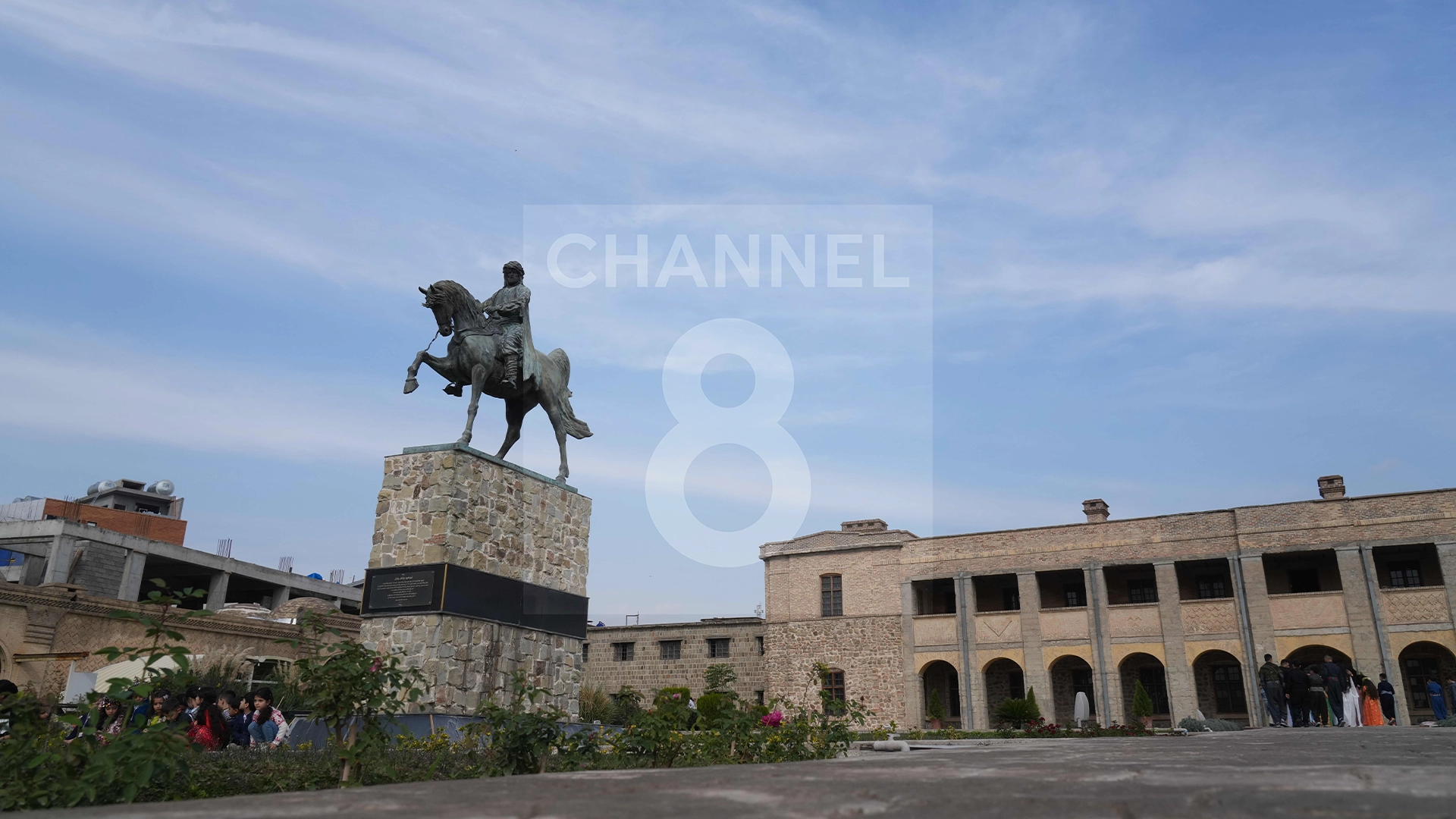
Today, March 7, 2026, marks the 35th anniversary of the Sulaymaniyah uprising. On this day, the residents and the Patriotic Union of Kurdistan's Peshmerga forces swiftly took control of all security and military institutions of the Baathist regime, leading to the liberation of the city.
Preparation and Initiation of the Uprising
In the early hours of March 7, 1991, Peshmerga fighters and local residents assembled and coordinated a strategic plan to target regime bases and facilities.
By midday, they had succeeded in capturing most of the key security centers, long-standing symbols of oppression in Sulaymaniyah.
Resisting Iraqi Army Countermeasures
Later that evening, several Iraqi Army military helicopters attempted to engage the Peshmerga and regain control over the city. However, due to the determined resistance of the Peshmerga forces, the helicopters were compelled to retreat.
By nightfall, most areas of Sulaymaniyah had been liberated from Baathist forces.
Amna Suraka Museum: The Regime’s Final Bastion
By March 7, only the Amna Suraka building remained under regime control. On March 8, Peshmerga forces and local citizens launched a swift assault, capturing the site and ending the regime’s hold. The building was later transformed into a museum documenting the regime’s crimes.
A Milestone in Kurdish History and National Unity
The Sulaymaniyah uprising stands as a pivotal moment in the Kurdish liberation movement. It not only marked the end of decades of oppression but also emerged as a symbol of national unity, with political factions and the public united in forging a new chapter of freedom.
07/03/2026