Merz Criticizes Lack of Exit Strategy for U.S.-Israel War on Iran
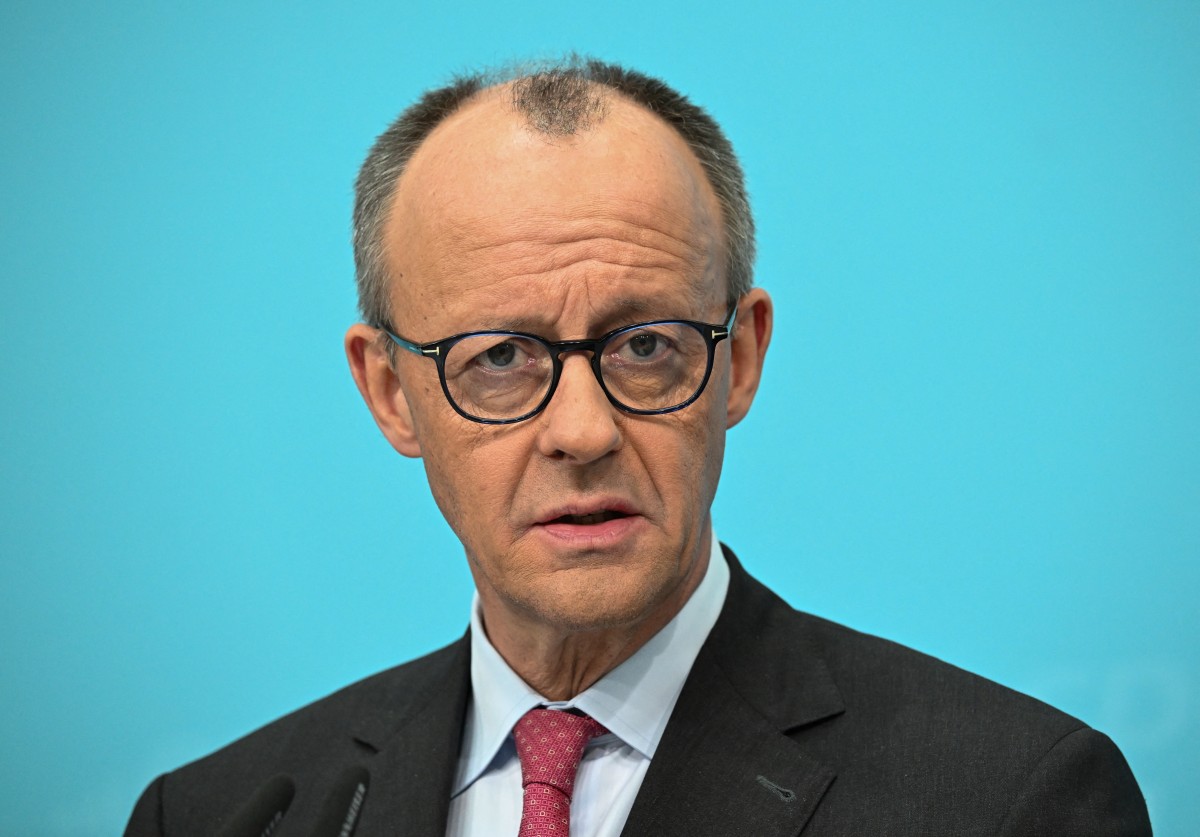
German Chancellor Friedrich Merz criticized what he described as the absence of a clear strategy for ending the war being waged by the United States and Israel against Iran, despite U.S. President Donald Trump saying earlier that Iran was “close to surrender.”
Speaking about Germany’s position, Merz stressed that Berlin is not involved in the conflict and has no intention of becoming part of it.
“We are not part of this war and we will not become part of it,” Merz said, adding that Germany’s efforts are focused on bringing military operations to an end.
He also argued that Washington has not yet presented a clear plan for exiting the war with Iran.
No Immediate Need for Military Mission in Strait of Hormuz
Merz said there is currently no justification for deploying an international military force to protect commercial shipping in the Strait of Hormuz, despite concerns about maritime security in the region.
When asked whether Germany would participate in such a mission, he said key questions remained unanswered.
“From my point of view, there is currently no reason to consider military protection of shipping routes,” Merz said. “Ending the war is exactly what we are discussing with both the U.S. government and the Israeli government.”
Mixed Views Among Western Leaders
Norwegian Prime Minister Jonas Gahr Støre also said there were no plans for a military intervention.
Meanwhile, French President Emmanuel Macron proposed the idea of launching an international mission in the Strait of Hormuz to escort oil tankers and cargo ships using naval vessels. Speaking after a virtual meeting of Group of Seven (G7) leaders, Macron said the group was considering such a mission.
“The conditions necessary for this are not currently in place,” Macron said. “The strait is a theater of war, but such a mission would need to be organized, and that is what we proposed.”
Pressure on Trump to End War Quickly
Trump reportedly told leaders that the situation in the strait was improving and that commercial vessels should resume navigation, according to another official.
However, on the same night, fires broke out on at least two tankers off the Iraqi coast.
Sources also said Trump appeared ambiguous about his objectives and timeline for ending the war. Some participants left the discussions believing he wanted to end the conflict soon, while others interpreted his remarks differently.
According to those present, Trump did not set a deadline for ending the war but said the United States must “finish the job” so it does not face another conflict with Iran within five years.
Iran Vows to Continue the War
Less than 24 hours later, Iran’s new supreme leader Mojtaba Khamenei appeared publicly, vowing to continue the war and promising “revenge,” while also pledging to maintain the closure of the Strait of Hormuz.
Separately, Ali Larijani, secretary of Iran’s Supreme National Security Council, warned that entering a war is very different from ending one.
“Trump said we must win this war quickly,” Larijani wrote on X. “Starting wars is easy, but ending them cannot be done with a few tweets.”
He added that Iran would not relent until the United States and Israel “pay the price.”
War Continues as Missile Capabilities Decline
Since the war erupted on February 28, Iranian leaders have repeatedly vowed not to surrender, while the Islamic Revolutionary Guard Corps (IRGC) has threatened to expand attacks across multiple fronts.
U.S. and Israeli officials, however, say Iran’s ability to launch missiles has significantly declined after many launch platforms were destroyed, and that the number of drones at its disposal has also dropped.
13/03/2026