CHANNEL8 Coverage
Kurdistan Commemorates 38 Years Since the Halabja Chemical Attack
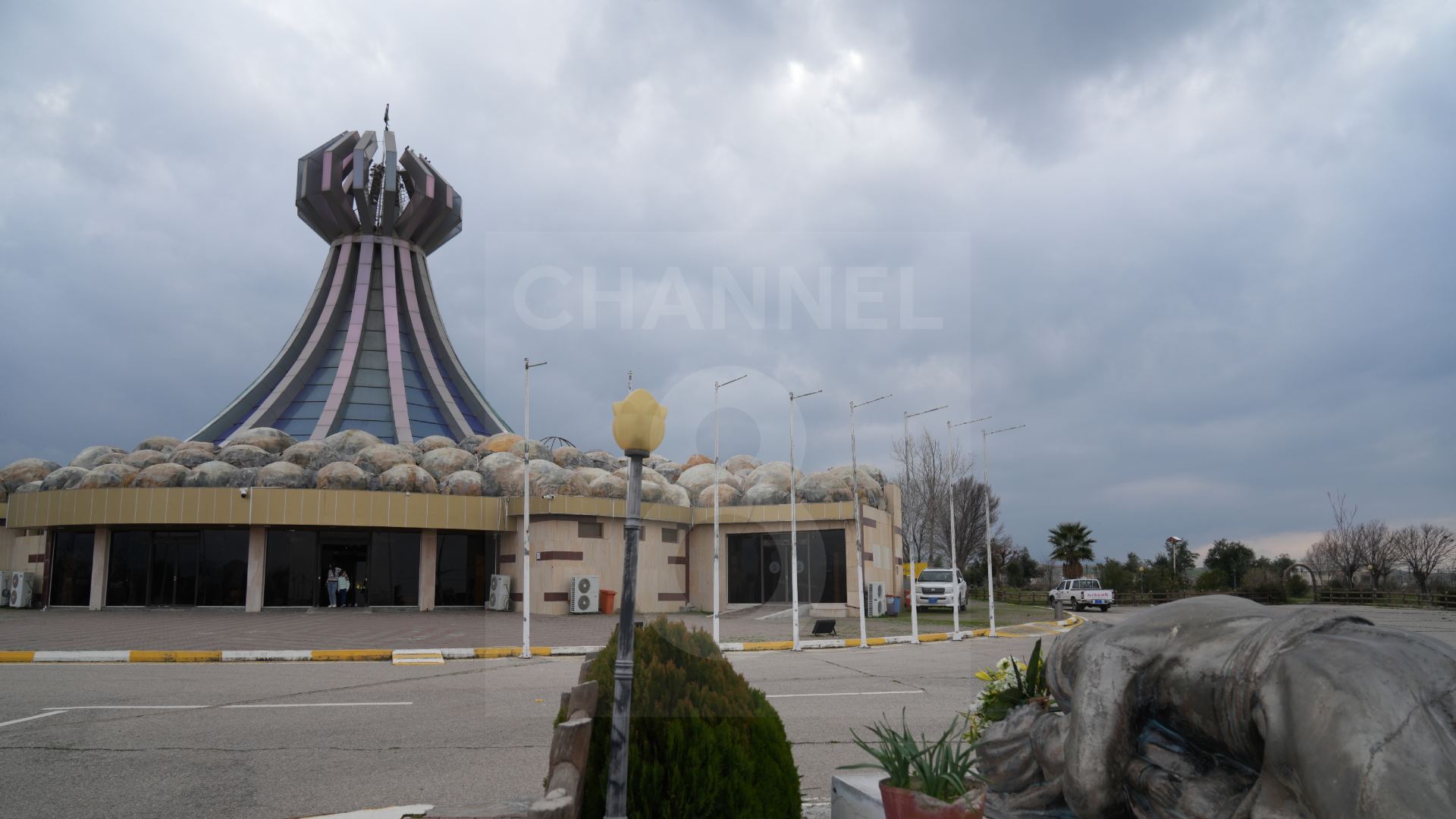
On March 16, 1988, the people of Halabja were struck without mercy by Saddam Hussein's regime, their peaceful city transformed into a death trap within minutes.
More than 5,000 innocent men, women, and children perished in agony, while over 10,000 others were left with lifelong wounds, physical and psychological.
The attack was not an act of war alone. It was a crime against humanity, a deliberate attempt to erase an entire community. The toxic combination of mustard gas and nerve agents including Sarin, Tabun, and VX did not simply take lives. It stole generations.
People fell where they stood. Mothers clutched their children, shielding them from a poison that spared no one. Some gases carried a deceptively sweet smell, drawing victims to breathe them in deeply, while others silently paralyzed and suffocated all in their path. No shelter offered protection. No escape was possible.
For those who survived, the nightmare never ended. Blindness, cancer, chronic respiratory disease, and birth defects became the inheritance of an entire city. The soil, the water, and the air remained poisoned for years, leaving Halabja's future uncertain long after the clouds had cleared. Thousands fled and never returned, their homeland forever marked by the events of that day.
Yet from the ruins of that atrocity, Halabja endures as a symbol of resilience. The Kurdish people carry this grief not merely as memory, but as a demand for justice, recognition, and an unwavering commitment: never again.
The wounds of Halabja may never fully heal. But the voices of those lost will never be silenced. On this solemn anniversary, we remember them, we honor them, and we will not forget.
16/03/2026
Kurdistan Commemorates 38 Years Since the Halabja Chemical Attack
Qubad Talabani Says Halabja Remains Symbol of Kurdish Resilience and Peace
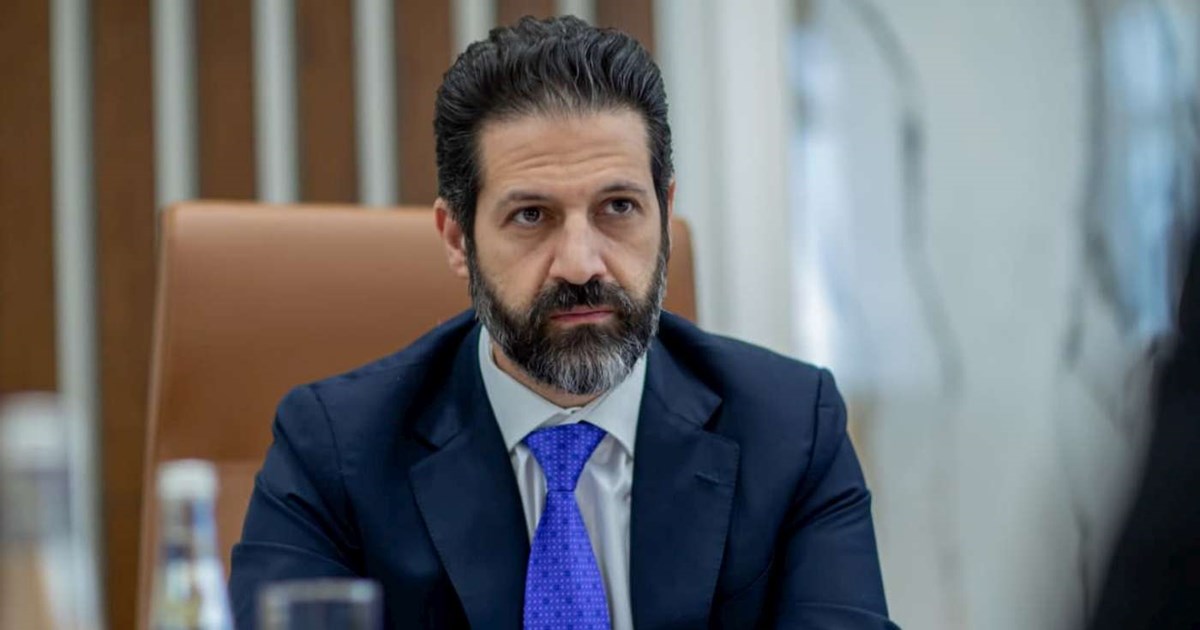
Kurdistan Region Deputy Prime Minister Qubad Talabani said the memory of the Halabja chemical attack represents both the suffering and resilience of the Kurdish people, as the region marked the tragedy’s anniversary on March 16.
In a statement commemorating the attack, Talabani said Halabja symbolizes the long history of oppression faced by Kurds and the attempts to erase their identity. He described the city as a reminder that chemical attacks, genocide and other forms of violence have not broken the will of the Kurdish people.
“Halabja is a symbol of Kurdish resilience,” Talabani said, adding that the Kurdish people will continue their struggle to achieve their rights.
Talabani also said the tragedy reflects how the international community remained largely silent at the time of the attack, describing Halabja as a symbol of “the voiceless.”
At the same time, he said the city represents peace and the Kurdish commitment to resolving conflicts without revenge.
Despite the scale of the tragedy, Talabani said Kurds have chosen the path of peace rather than retaliation. He said the legacy of Halabja should serve as a message of Kurdish willingness to coexist peacefully with others.
Marking the anniversary, Talabani also urged unity in the face of regional instability.
“With war and turmoil engulfing the region, it is the duty of all of us to work together to protect our homeland from threats and dangers,” he said.
Talabani added that the anniversary is an opportunity to convey Halabja’s message of peace and the Kurdish desire for peaceful relations to all parties.
Masoud Barzani Says Halabja Chemical Attack Was a Grave Crime Against the Kurdish People
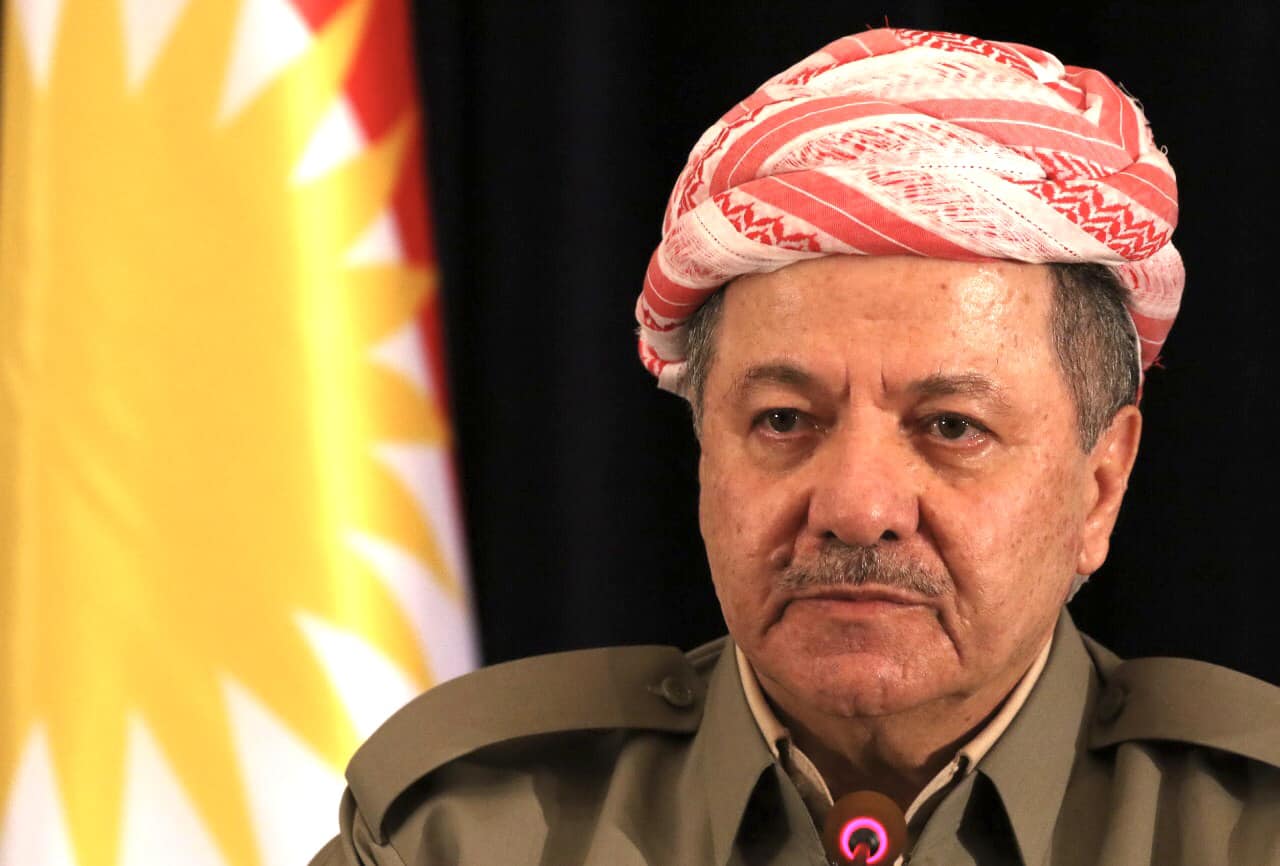
Kurdistan Democratic Party President Masoud Barzani marked the 38th year since the Halabja chemical attack on Monday, describing the assault as one of the gravest crimes committed against the people of Kurdistan.
Barzani shared a message on the social media platform X on March 16, 2026, commemorating the victims of the 1988 attack, when chemical weapons were used against the city of Halabja by the regime of Saddam Hussein, killing thousands of civilians.
“The chemical bombardment of Halabja was an extremely brutal injustice and a heinous crime against the people of Kurdistan,” Barzani said.
He added that the attack represented a rare case in which a state used chemical weapons against its own citizens.
“There is no place in the world where a state has exterminated its own people with chemical weapons except in Iraq, where this major crime was committed against the people of Kurdistan,” he said.
Barzani also said that despite the tragedy, some individuals in Iraq still oppose the rights of the Kurdish people.
“The tragedy of Halabja and other crimes of the past are a historical and legal responsibility for Iraq, which requires the country to compensate the people of Kurdistan,” he said.
Barzani concluded his message by paying tribute to the victims of the attack.
“On this anniversary, we send our greetings and respect to the pure souls of the martyrs of Halabja and all the martyrs of Kurdistan,” he said.
The Halabja chemical attack on March 16, 1988, killed more than 5,000 civilians and injured thousands more, and remains one of the most widely documented chemical attacks against a civilian population in modern history.
Al-Hakim Calls on World to Stand Against Weapons of Mass Destruction on Halabja Commemoration
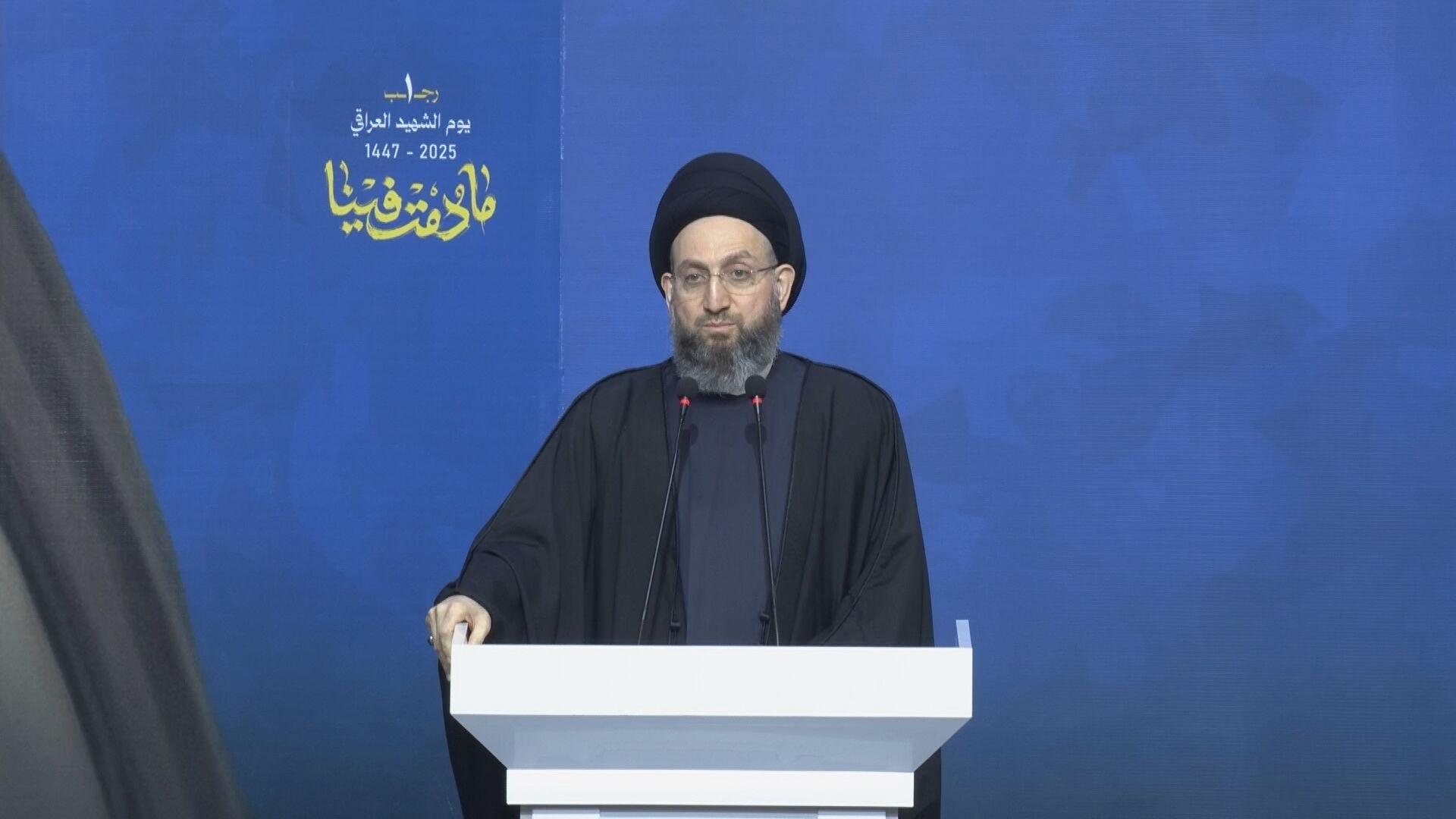
Ammar al-Hakim, leader of the National Wisdom Movement has described the Halabja chemical attack as one of the most heinous crimes in history, calling on the international community to take a firm stand against the use of weapons of mass destruction and to protect civilian populations from the recurrence of such tragedies.
In a statement marking the 38th commemoration of the attack, al-Hakim said remembering Halabja serves as a permanent reminder of the necessity of delivering justice to innocent victims and preserving their memory.
The statement closed with a salutation to the martyrs of Iraq and their families, with particular tribute paid to the martyrs of Halabja.
Kurdistan Region President Calls on Baghdad to Compensate Halabja Victims as Kurdistan Mark 38 Years Since Chemical Attack
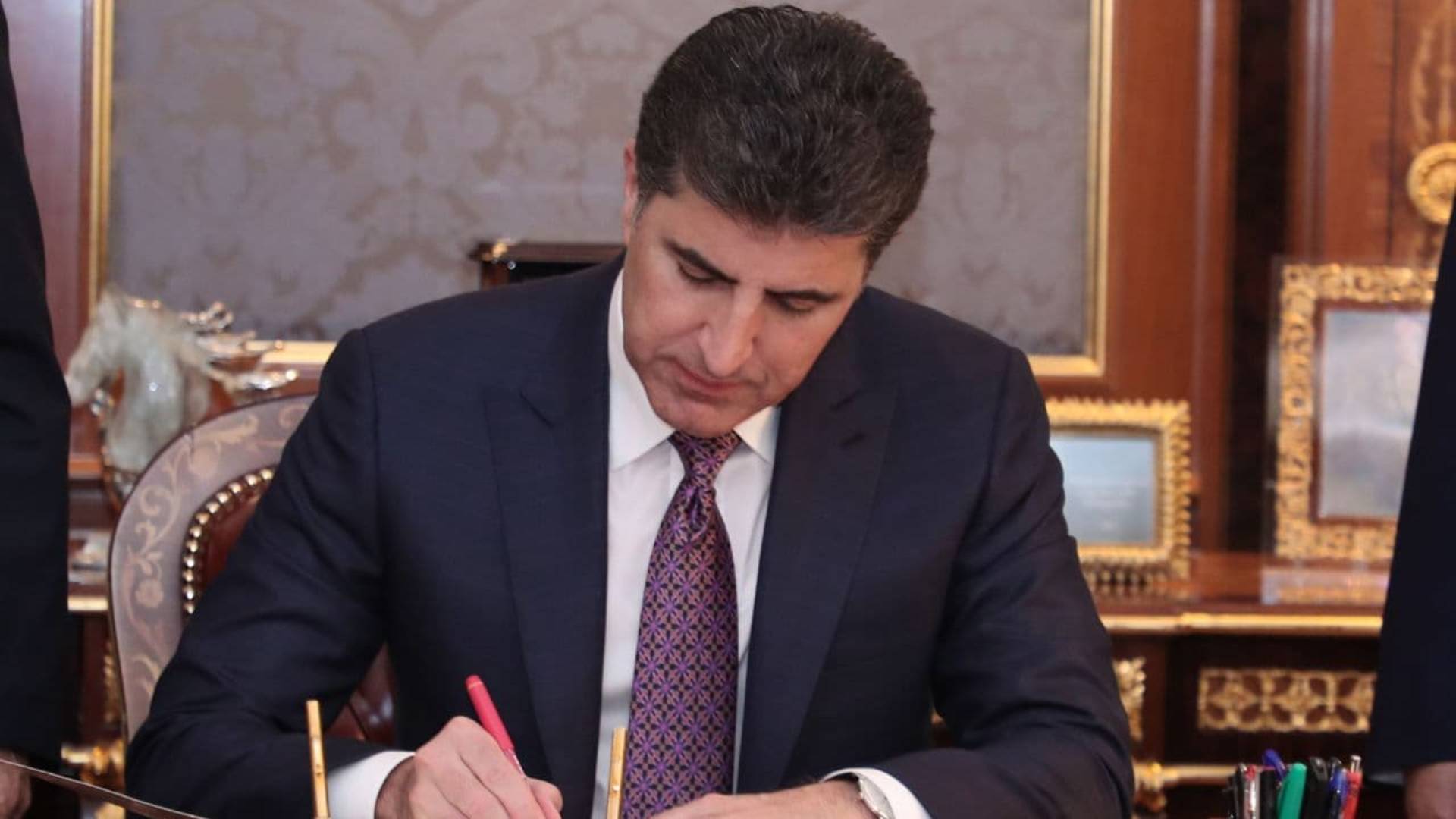
Kurdistan Region President Nechirvan Barzani has marked the 38th commemoration of the Halabja chemical attack with a call on the Iraqi federal government to fulfil its legal obligation to compensate the victims, invoking a ruling by the Supreme Iraqi Criminal Court that recognised the attack as genocide.
In a statement issued on Monday, Barzani paid tribute to the victims of the March 16, 1988 attack, describing Halabja as "an open wound for the nation" and calling on the KRG to ensure the best possible services and care are provided to survivors and victims' families.
The Kurdistan Region president framed the attack in the broadest possible terms, saying Halabja was not merely an attempt at the physical destruction of the Kurdish people, but a crime against humanity and an assault on a people who were demanding nothing more than life and freedom.
He described Halabja as a living testament in the conscience of the world, and called on humanity to draw lessons from it to prevent the recurrence of genocide anywhere.
Barzani also addressed the Kurdistan Region's current security situation, warning that the region is enduring a perilous state of war and that all Kurds bear a heavy national duty to protect it.
He called for unity and solidarity, saying collective action is the only means of safeguarding the region's achievements and confronting present challenges.
"We are all indebted to the blood of the martyrs," Barzani said, adding that the best tribute to those who fell is united effort to ward off threats to the people and land of Kurdistan.
Despite the gravity of the moment, the president closed on a note of cautious optimism, expressing confidence in a bright future for the Kurdish people.
The Halabja chemical attack on March 16, 1988, carried out by forces loyal to Saddam Hussein, killed more than 5,000 people and remains one of the deadliest chemical attacks against a civilian population in history.
Masrour Barzani Honors Halabja Victims, Calls for Compensation From Baghdad
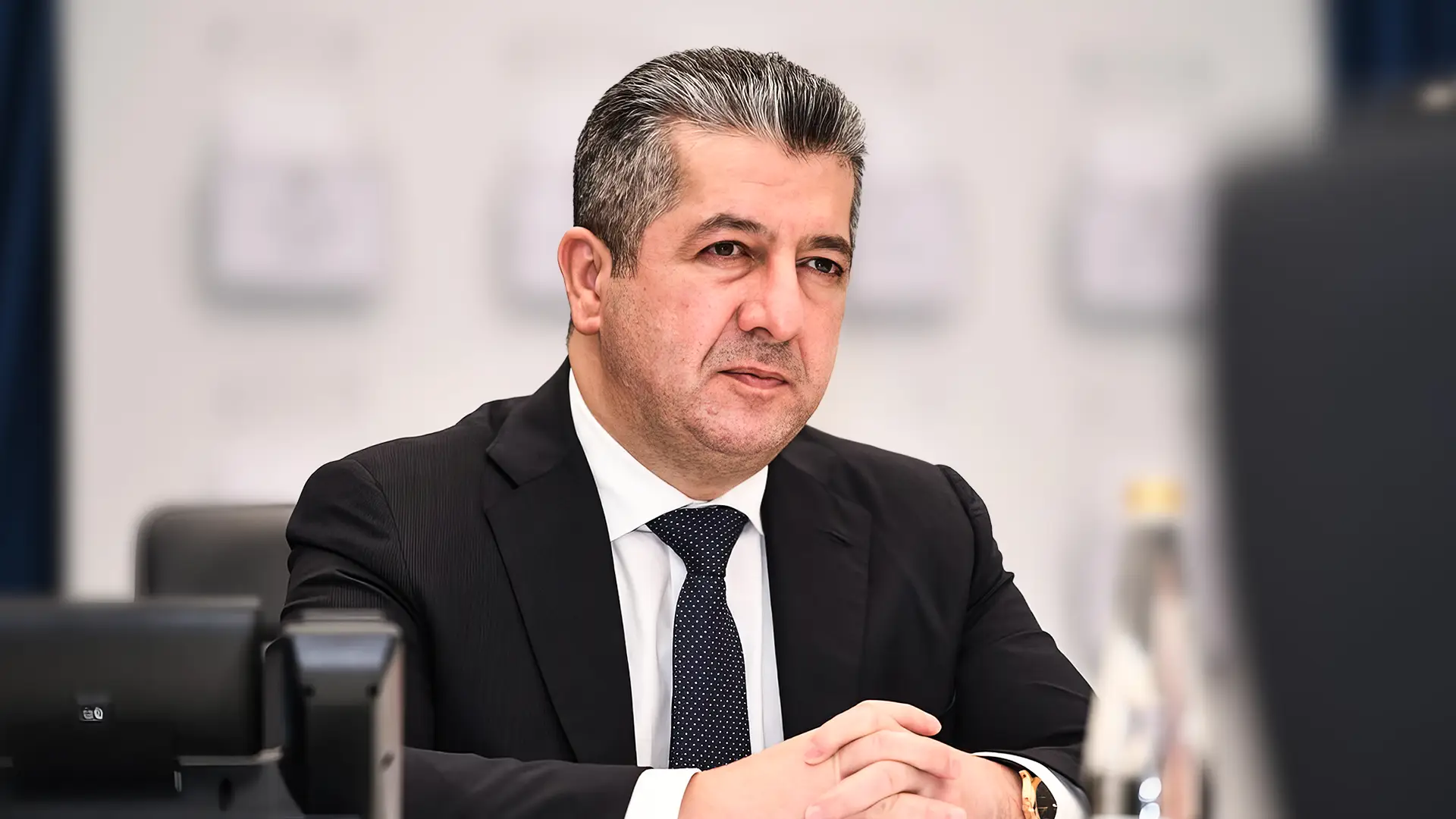
Kurdistan Region Prime Minister Masrour Barzani on Sunday paid tribute to the victims of the Halabja chemical attack, marking 38 years since the assault, and renewed calls for compensation for survivors of the tragedy and other victims of the former Iraqi regime.
In a statement issued on the anniversary, Masrour Barzani described the attack as a genocide against the people of Kurdistan, honoring the thousands who were killed when chemical weapons were used against the city of Halabja in 1988.
“We honor the martyrs of this atrocity,” Barzani said, referring to the chemical attack carried out by the regime of Saddam Hussein during the final stages of the Iran–Iraq war.
The prime minister emphasized that the achievements and stability of the Kurdistan Region today were built on the sacrifices of those who lost their lives.
“We must always remember that today’s achievements are the fruits of immense sacrifices, and we must protect them in every way,” he said.
Masrour Barzani also called on the Iraqi federal government to fulfill what he described as its legal and constitutional responsibility to compensate victims of past atrocities.
He urged Baghdad to provide fair compensation for the victims of the Halabja Genocide, the Anfal campaign, and other crimes committed under the former Iraqi regime.
The Halabja chemical attack on March 16, 1988, killed more than 5,000 civilians and injured thousands more, and is widely regarded as one of the worst chemical attacks against civilians in modern history.
Halabja Marks 38 Years Since Chemical Attack While Pursuing Development
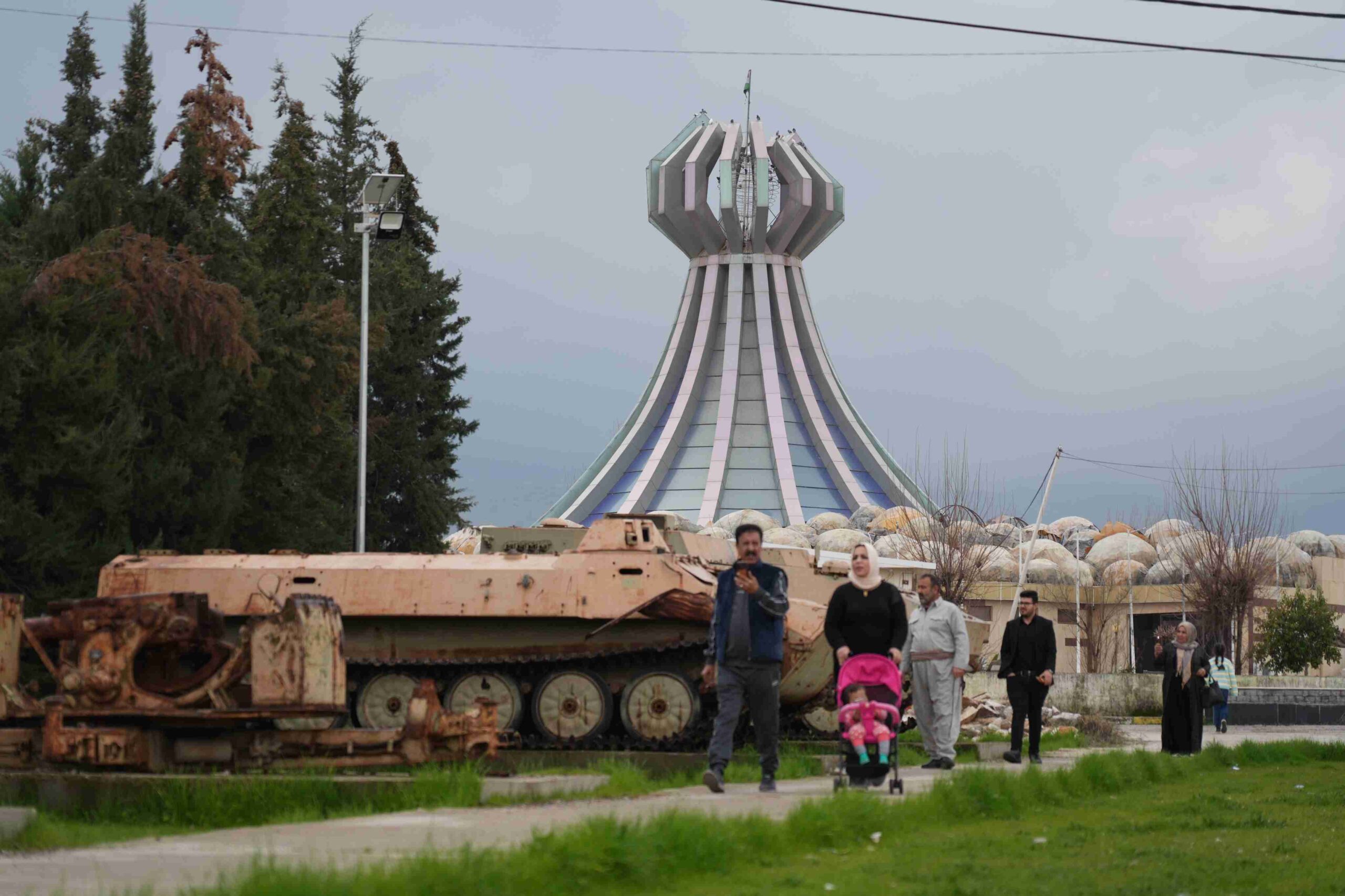
Halabja marked the 38th anniversary of the 1988 chemical attack on Sunday as the city continues efforts to develop its economy and infrastructure following its recognition as Iraq’s 19th governorate.
The chemical assault carried out by the Ba’athist regime of Saddam Hussein on March 16, 1988, killed more than 5,000 civilians and injured thousands more in what is widely regarded as one of the worst chemical attacks against a civilian population in modern history.
In a significant administrative step, the Iraqi Council of Representatives approved legislation on April 14, 2025, officially recognizing Halabja as a province, giving it the status of Iraq’s 19th governorate.
Population and Administrative Structure
According to the Kurdistan Region Statistics Bureau, Halabja Governorate has a population of 124,457, including 79,404 residents aged over 18. The city center itself is home to 75,971 people.
The province includes several towns and districts. Khurmal has a population of 24,676, Sirwan has 14,117, Biyara has 8,452, and Bamo has 1,292 residents. Most residents in these areas are adults.
Agriculture and Tourism
Halabja remains one of the Kurdistan Region’s most productive agricultural areas. The province is home to approximately 85,000 walnut trees and around 9,000 pomegranate orchards, producing an estimated 30,000 tons of pomegranates annually.
Tourism has also developed in recent years. Officials say Halabja now has 36 tourist sites and about 200 tourism-related establishments, including hotels and restaurants.
Border Crossings and Trade
Halabja shares two border crossings with Iran, the Tawela (Shushme) and Pshta - (Sartak) crossings. These crossings handle both commercial trade and tourist traffic.
However, due to the absence of an independent customs administration for the province, revenue generated at the crossings is currently managed by the Garmian Administration and Sulaymaniyah province.
Industry and Investment
According to Tahir Izzedin, head of the Halabja Chamber of Commerce and Industry, the province hosts 16 medium-sized factories operating in sectors including cement, asphalt, olive oil, dairy products, eggs and meat processing.
These facilities have created hundreds of jobs for local residents.
Between 2006 and 2024, authorities issued eight investment licenses, while 40 additional projects are currently under review, Izzedin said.
Local Commerce
Halabja currently has about 1,500 traders and artisans. In addition to importing goods into the Kurdistan Region, some traders export local agricultural products to other provinces within the region and to other parts of Iraq.
As Halabja commemorates the victims of the 1988 chemical attack, local authorities say development initiatives in agriculture, tourism and industry are central to the province’s efforts to rebuild and strengthen its economy decades after the tragedy.
PUK President Bafel Jalal Talabani Marks 38 Years Since the Halabja Chemical Attack
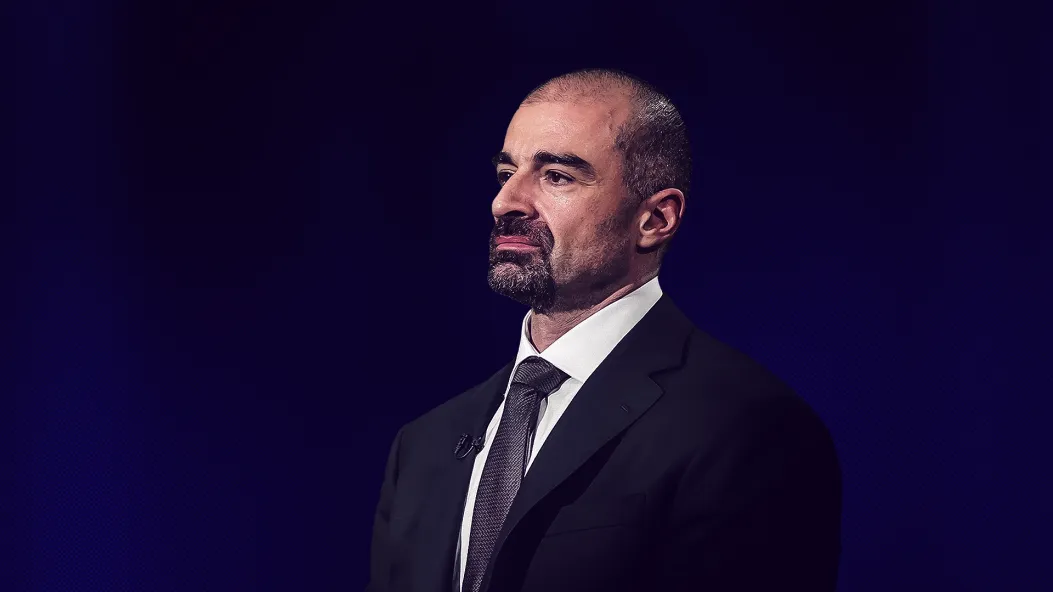
Patriotic Union of Kurdistan President Bafel Jalal Talabani has issued a statement marking 38 years since the Halabja chemical attack, paying tribute to the victims while calling on both the Kurdistan Regional Government and the Iraqi federal government to intensify their efforts to serve the city.
"The martyrs of Halabja and all the victims of our people are always in our memory," Talabani said, adding that the PUK has always considered serving Halabja a core duty of the party.
Talabani called on the KRG and Baghdad to redouble their commitment to Halabja, expressing hope that greater investment and reconstruction could help ease the enduring pain of the tragedy.
"Together we can turn its hardships into hope, and bring about greater revival and reconstruction for the city," he said.
The PUK president acknowledged that no formal ceremony would be held this year, citing the region's precarious security situation and ongoing conflict. Despite the absence of an official commemoration, he stressed that Halabja remains central to the collective memory and identity of the Kurdish people.
"Halabja is the wound of our people and will always remain in our hearts," Talabani said, closing his statement with salutations to the souls of Halabja's martyrs and all those who have fallen across Kurdistan.
The Halabja chemical attack took place on March 16, 1988, when forces loyal to Saddam Hussein dropped chemical weapons on the city, killing more than 5,000 people and injuring thousands more in one of the worst chemical attacks against a civilian population in history.