Iraq Oil Ministry Urges KRG to Allow Exports, Warns of Legal Measures
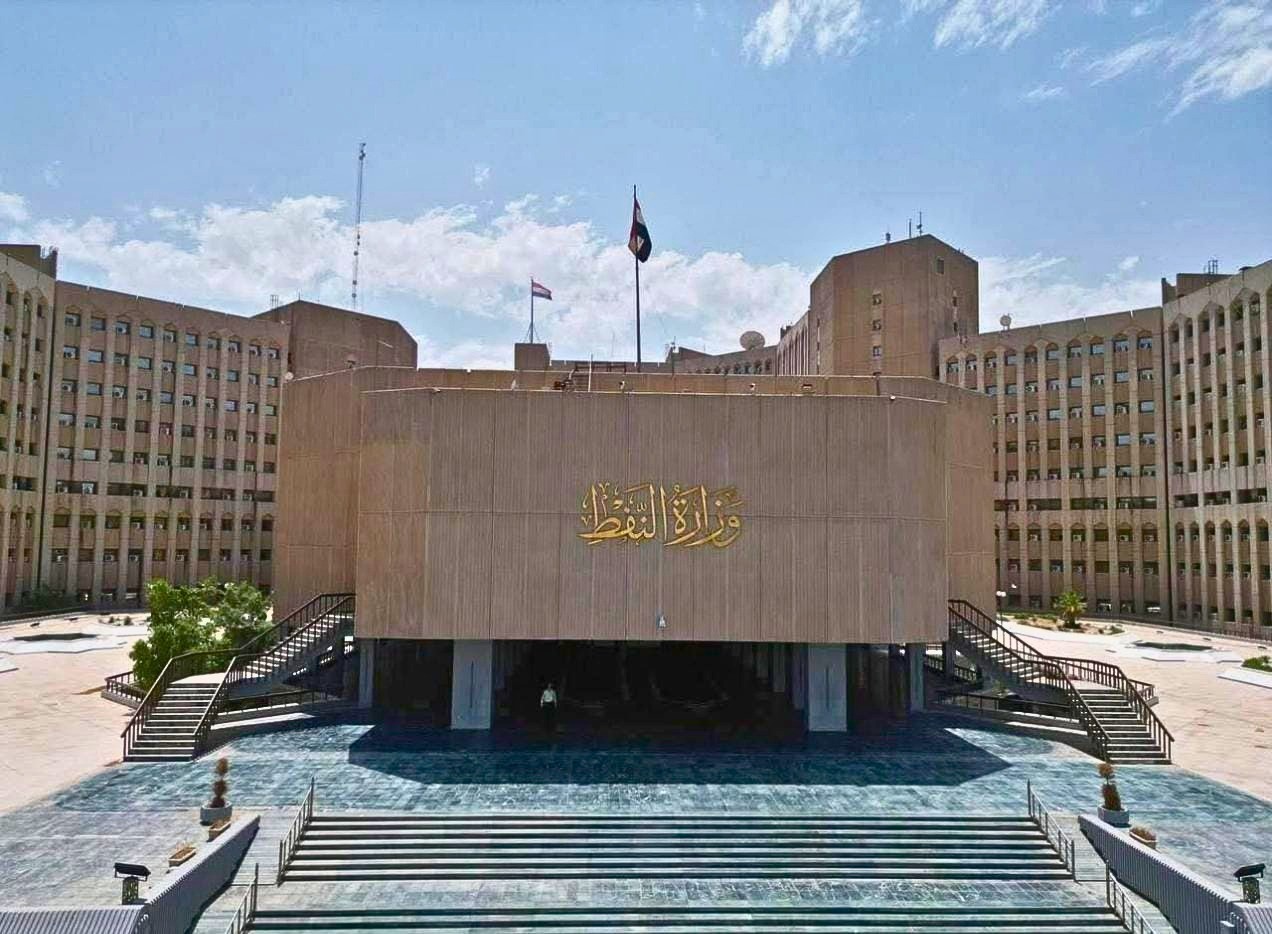
Iraq’s Ministry of Oil said Tuesday it is working to resume oil exports through the Kirkuk-Ceyhan pipeline, urging the Kurdistan Regional Government (KRG) to reverse its position and warning that legal measures could be taken if exports remain blocked.
In a statement issued March 17, the ministry described recent comments by the KRG’s Ministry of Natural Resources as “political” and not reflective of the professional or legal framework governing the oil sector.
Plans to Resume Exports
The ministry said efforts are underway to restart the Kirkuk-Ceyhan pipeline within days, allowing the export of Kirkuk crude directly.
As an interim measure, Baghdad has proposed using a pipeline linking the Sarlowa station in Kirkuk to Fishkhabour, enabling exports of up to 250,000 barrels per day. With additional output from fields in the Kurdistan Region, total exports could reach around 450,000 barrels per day, the ministry said.
It added that increased exports could help offset economic pressures linked to the closure of the Strait of Hormuz, particularly amid favorable oil price differentials.
Federal Authority Over Pipeline
The ministry emphasized that the Iraq-Turkey Pipeline (ITP) is a federal asset with a capacity exceeding one million barrels per day, and falls under the authority of the federal government.
It said Ankara has shown openness to facilitating exports, and reiterated plans to develop a new parallel pipeline as part of a broader strategy linked to the Basra-Haditha pipeline project.
Baghdad called on the KRG to reconsider its position, warning that refusal could prompt the federal government to take legal action.
Dispute Over Salaries and Reforms
The ministry criticized the KRG for linking oil exports to the issue of public sector salaries, stating that the matter falls under the jurisdiction of the Ministry of Finance.
It also defended the implementation of the ASYCUDA system, describing it as a key reform tool aimed at combating corruption and ensuring transparent trade and access to foreign currency.
Constitutional Arguments
Baghdad accused the KRG of acting in violation of the Iraqi Constitution, citing provisions that assign authority over oil and financial policy to the federal government.
The ministry referenced constitutional articles affirming that oil and gas are owned by all Iraqis and should be managed to maximize national benefit, as well as rulings by the Federal Supreme Court supporting federal authority.
It warned that blocking exports under current conditions represents “a serious risk to Iraq’s economic interests” and could harm the country’s international reputation.
Call to Parliament
The ministry also called on the Iraqi Council of Representatives to review the situation, urging lawmakers to consider the broader national interest and the economic implications of the dispute.
The statement comes amid ongoing tensions between Baghdad and Erbil over oil exports, revenue sharing and administrative authority, at a time of heightened regional instability and economic pressure.
17/03/2026