Kurdish groups in Iran seek coordination amid rising regional tensions
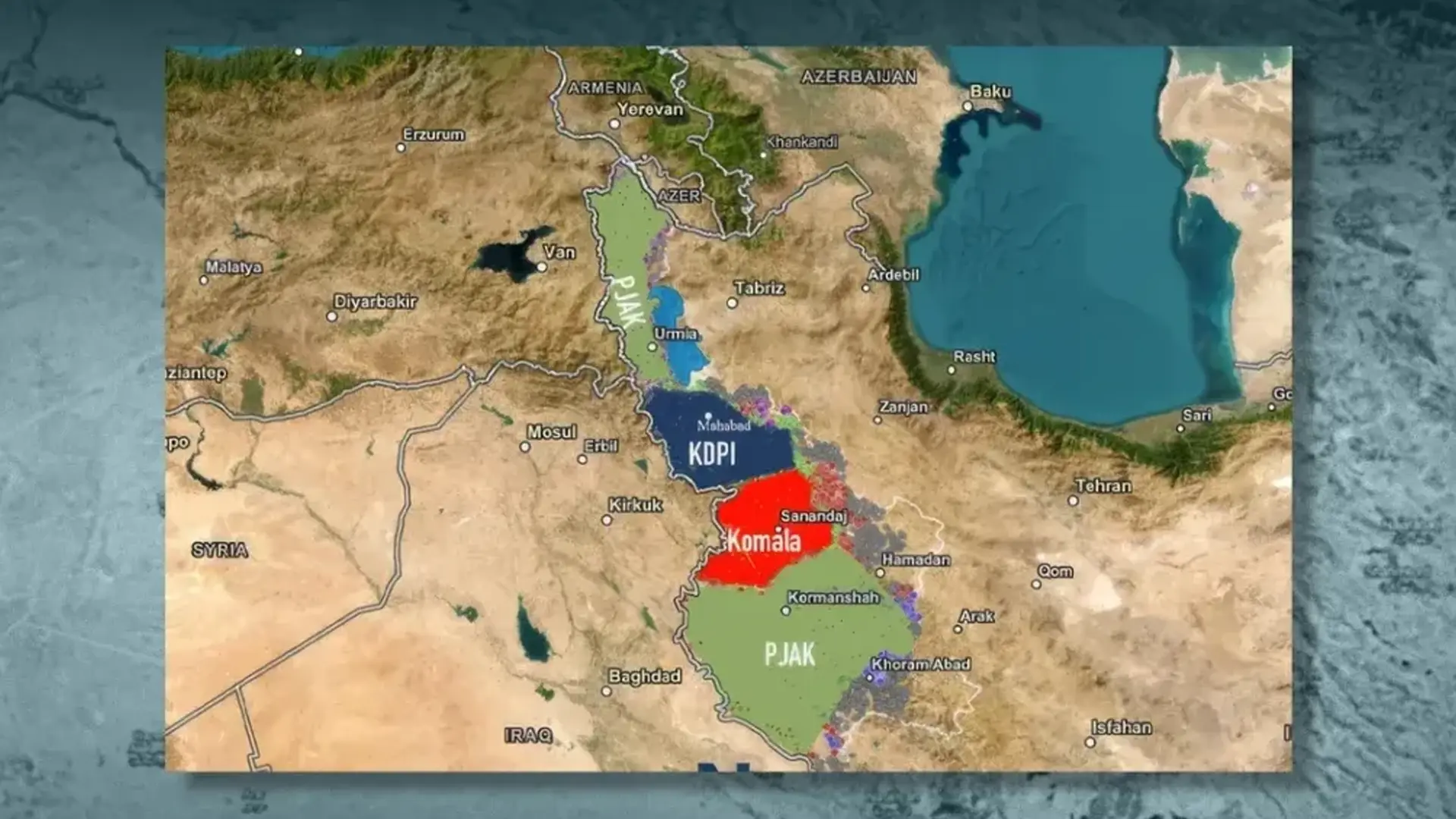
A new research paper published by the iNNOV8 Research Center provides a detailed assessment of Kurdish political groups in Eastern Kurdistan, highlighting growing efforts toward coordination amid rising regional tensions and increasing internal pressure on Tehran.
“Kurdish national political movements have re-emerged as strategically relevant actors, not because of internal strength, but due to shifting external pressures and state vulnerability,” the paper said. Most of these opposition groups operate in exile from the Kurdistan Region.
Despite these efforts, the paper notes that Kurdish actors remain fragmented, divided by ideological differences, leadership rivalries, and organizational splits.
Fragmented opposition
The Kurdish political landscape in Eastern Kurdistan includes the Democratic Party of Iranian Kurdistan (KDPI), Komala factions, the Kurdistan Free Life Party (PJAK), and the Kurdistan Freedom Party (PAK).
“These groups exist within a constrained political space shaped over decades through confrontation, division, and containment,” the paper noted. They advocate a range of political visions—from federalism within Iran to full independence—and maintain influence through exile-based structures and limited underground networks.
Push for coordination
In February, several Kurdish factions announced the formation of the Coalition of Political Forces of Iranian Kurdistan, aimed at improving coordination and advancing Kurdish political demands.
The paper noted that the coalition reflects an effort to position Kurdish actors amid Iran’s growing internal unrest and external pressure, but warned that “longstanding ideological and organizational divisions remain.”
Opposition divisions persist
The Iran Freedom Congress, held in London on March 28–29, brought together various Iranian opposition figures to discuss potential political transition scenarios. PJAK was excluded, a decision the paper described as “politically motivated and reflective of selective inclusion within the opposition framework.”
The exclusion underscores tensions within the opposition and highlights challenges in creating a cohesive platform that accommodates diverse actors while maintaining political consensus.
Structural limits remain
The paper concludes that Kurdish groups operate largely from exile, which limits their ability to directly influence developments inside Iran. “Recent efforts toward coordination indicate convergence, but structural divisions continue to define the scope and limits of unified political action,” it added.
The article is based on a research paper authored by Noor Omer. The full paper is available here
30/03/2026