Iraqi Government Advisor Downplays Impact of U.S. Cash Withdrawal
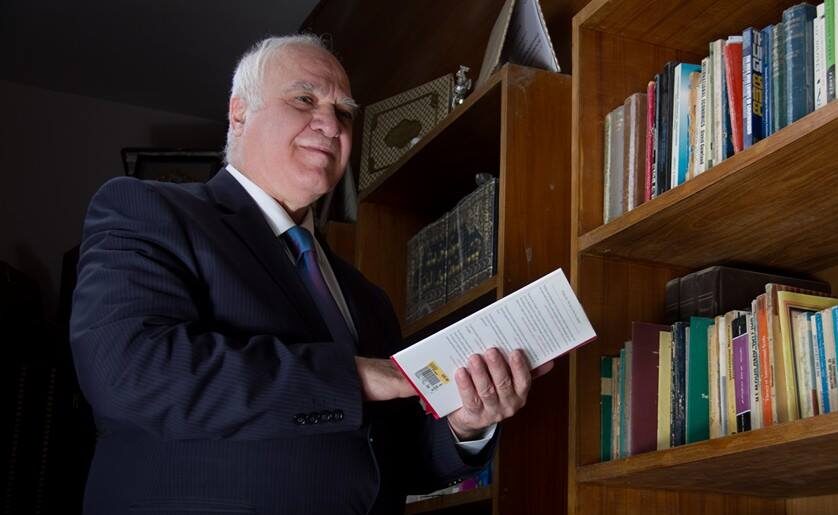
Mazhar Mohammad Saleh, economic and financial advisor to the Iraqi prime minister, stated that the decision of the United States to withhold $500 million from Iraq is “very limited” in scope, confirming that the transactions of companies with the Central Bank of Iraq (CBI) are continuing and proceeding normally.
The Wall Street Journal first revealed on Tuesday that President Donald Trump's administration had blocked a cargo plane carrying nearly $500 million in physical banknotes to pressure Baghdad into curbing Iran-aligned militias.
Five Iraqi sources told Reuters today that the move was limited to shipments of physical U.S. currency, totaling between $450 million and $500 million, which are periodically flown into Baghdad.
Meanwhile, currency market volatility saw the US dollar reach 155,000 IQD per $100, while the euro and British pound climbed to over 180,000 and 203,000 IQD, respectively.
Although the CBI currently maintains approximately $97 billion in foreign reserves, geopolitical instability and declining oil revenues threaten the original projection of exceeding $100 billion by 2029.
Saleh: U.S. Withholding of $500 Million Has Limited Impact
Saleh said that "Dollars are being provided continuously and without interruption to merchants and for foreign remittances, and the U.S. decision to withhold $500 million from Iraq is very limited and will have a 5% impact."
He emphasized that there is a significant distinction between the cash dollars allocated to travelers at airports, approximately $3,000 per tourist, and the provision of foreign commercial financing, which is carried out through remittances and the international banking system.
“The halt of dollar inflows from America to Iraq is related to a very limited portion of the demand for dollars, not exceeding 5%, and this is linked to meeting the cash needs of tourists,” he added.
U.S. Dollar Restrictions Are ‘Logistical’ Not ‘Political’
Saleh emphasized that Washington's decision is “logistical and not a political one.”
“The reduction in dollar remittances is related to the suspension of air travel, which has affected the transportation of cash dollars and goods, due to geopolitical tensions in the Middle East and Gulf countries. This is a temporary situation and has nothing to do with politics,” he noted.
95% of Iraq’s Foreign Currency Needs Are Met
The advisor further highlighted that transactions between companies and the Central Bank are ongoing, with these transfers fulfilling approximately 95% of the market's demand for foreign currency.
22/04/2026