Araghchi in Russia for Talks With Putin as U.S.-Iran Diplomacy Stalls
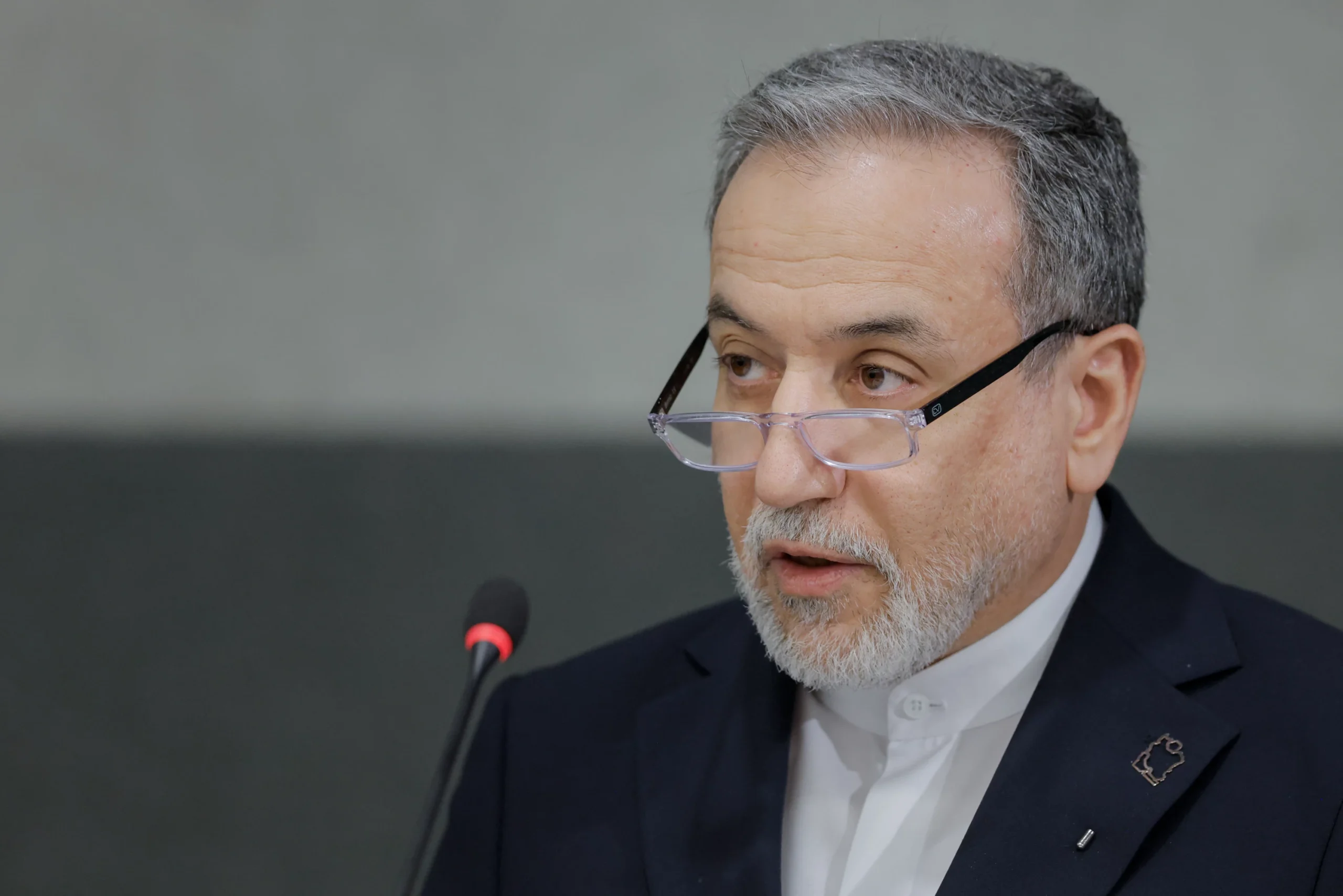
Iran’s foreign minister Abbas Araghchi arrived in Russia on Monday for talks with Vladimir Putin, as fragile diplomatic efforts between Tehran and Washington hang in the balance following the collapse of planned negotiations in Pakistan.
The Iranian Foreign Ministry said Araghchi reached Saint Petersburg, where discussions are expected to focus on bilateral ties and regional developments, including the ongoing conflict between Iran and the United States.
Diplomatic Push Across the Region
Araghchi’s visit follows a series of diplomatic stops in Oman and Pakistan, part of efforts by regional mediators to revive stalled talks.
Iranian state media said consultations in Islamabad reviewed conditions for resuming negotiations, with Tehran emphasizing the need to safeguard its national interests after weeks of conflict.
Officials also confirmed that Iran and Oman agreed to continue technical coordination to ensure safe navigation through the Strait of Hormuz.
Talks Falter After U.S. Cancels Visit
Hopes for renewed dialogue were dealt a setback after Donald Trump canceled a planned trip to Islamabad by envoys Steve Witkoff and Jared Kushner.
Trump later said Iran could “call” the United States if it wanted talks, signaling a shift away from in-person negotiations.
Iranian media reported that Tehran had sent written messages via Pakistan outlining its “red lines,” including nuclear issues and the status of the Strait of Hormuz, though these were not part of formal negotiations.
Hormuz at Center of Crisis
The standoff over the Strait of Hormuz continues to drive global concern. Iran has restricted passage through the key shipping route, disrupting flows of oil, gas, and other commodities and pushing prices higher.
At the same time, the United States has imposed countermeasures targeting Iranian maritime activity, further escalating tensions in the waterway.
Despite the disruption, Araghchi said discussions in Oman focused on maintaining safe transit “for the benefit of all neighbors and the world.”
Ceasefire Holds, Tensions Persist
A ceasefire between Iran and U.S.-backed forces has so far held, but uncertainty remains over whether diplomatic channels can be revived.
Meanwhile, regional tensions continue elsewhere, with Israel and Hezbollah exchanging accusations over violations of a separate ceasefire in Lebanon, where recent strikes have caused casualties, according to Lebanese authorities.
27/04/2026