David Attenborough Turns 100: A Century of Life and Seven Decades That Changed How the World Sees Nature
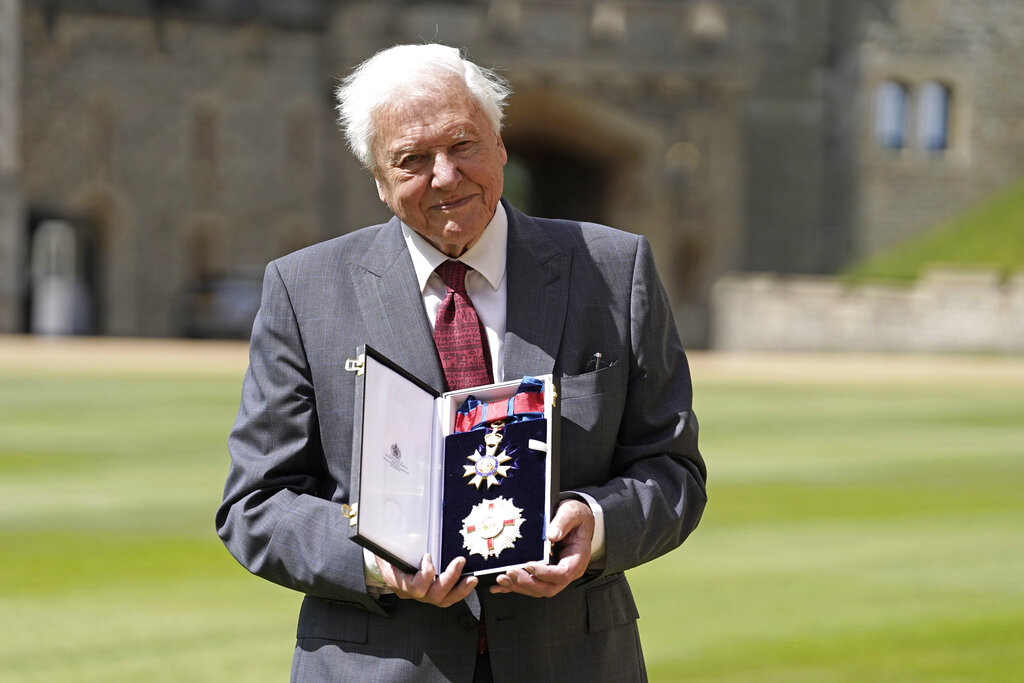
From collecting fossils as a boy on the grounds of a Leicester university to narrating the fate of the planet for billions of viewers, Sir David Attenborough has lived a life as vast and layered as the natural world he spent a century championing.
Sir David Attenborough turned 100 years old on Friday, becoming one of the most celebrated centenarians in British public life and prompting a wave of tributes from scientists, heads of state, conservationists, and schoolchildren alike. The milestone marks not only a personal achievement of extraordinary rarity but the conclusion of a century that witnessed the birth of television, the unraveling of the natural world's most closely guarded secrets, and, in no small part because of Attenborough himself, the awakening of a global environmental conscience.
Celebrations in the United Kingdom included a dedicated event organized by the BBC at the Royal Albert Hall and nationwide cinema screenings of his expansive catalog of nature documentaries, a body of work that spans more than seven decades and remains without parallel in the history of broadcast journalism.
Yet true to the character of the man himself, the day's focus remained firmly on the natural world rather than on the presenter. Alastair Fothergill, one of the most accomplished producers in the history of natural history filmmaking and a longtime collaborator of Attenborough's, captured the sentiment precisely. Attenborough, he noted, has always insisted that the wildlife must remain the subject of his programs, never the presenter.
Born Into Curiosity
David Frederick Attenborough was born in Islington, London, on May 8, 1926, the middle of three sons of Frederick Levi Attenborough, a scholar and academic administrator who would later serve as Principal of University College Leicester, the institution that eventually became the University of Leicester. It was on the grounds of that college, where the family resided, that young David's consuming fascination with the natural world took root.
As a boy he roamed the surrounding Leicestershire countryside collecting fossils, newts, and geological specimens with a focus and seriousness that belied his age. Those early years instilled in him both a scientific temperament and a visceral, first-hand appreciation for the living world that no amount of formal study could fully replicate.
He went on to study natural sciences at Clare College, Cambridge, graduating in 1947 with a degree in geology and zoology. Two years of National Service in the Royal Navy followed before he took his first steps into professional broadcasting.
The Television Pioneer
Attenborough joined the BBC in 1952 as a trainee producer, arriving at a moment when television itself was in its infancy and its possibilities were almost entirely unexplored. He moved quickly. Recognizing that the medium offered something the written word and radio never could, the ability to show rather than merely describe the living world, he persuaded the BBC in 1954 to allow him to accompany a London Zoo expedition to West Africa.
The result was Zoo Quest, a series that brought live animal footage directly into British living rooms for the first time and established Attenborough as one of the most compelling presences on British television. Over the course of the series, he traveled to Sierra Leone, British Guiana, Indonesia, Paraguay, and Madagascar, collecting animals for London Zoo while filming the expeditions for broadcast. The combination of genuine scientific fieldwork and accessible, engaging presentation was entirely new.
His ascent within the BBC was rapid. By 1965 he had been appointed Controller of BBC Two, and by 1969 he held the position of Director of Programmes, overseeing both BBC One and BBC Two. It was a role of enormous institutional power, and it was during this period that he championed the introduction of color television to British broadcasting. Yet the executive suite ultimately held less appeal than the field. In 1973 he resigned from management to return to documentary making, a decision that would define the remainder of his career and reshape natural history broadcasting permanently.
Life on Earth and the Making of a Legacy
The series that established Attenborough as a figure of global stature was Life on Earth, broadcast in 1979. A thirteen-part chronicle of the evolution of life on the planet, it was a production of breathtaking ambition, filmed across 39 countries over three years. It attracted 500 million viewers worldwide and remains one of the most watched documentary series ever made.
It was during the filming of Life on Earth that one of the most iconic moments in British television history was captured. In the forests of Rwanda, Attenborough encountered a family of mountain gorillas. As he sat quietly among them, young gorillas clambered over him, tugged at his clothing, and regarded him with an unsettling directness. He later described the experience as one of the greatest privileges of his life. The scene, broadcast to millions, did more to advance the cause of gorilla conservation than perhaps any scientific paper or political appeal could have achieved.
Life on Earth was followed by a succession of landmark series that collectively formed the most comprehensive audiovisual record of life on Earth ever assembled. The Living Planet in 1984 examined the relationship between organisms and their environments. The Trials of Life in 1990 explored animal behavior. The Private Life of Plants in 1995 revealed the hidden drama of the botanical world, deploying time-lapse photography to show processes that unfold too slowly for the human eye to perceive. The Blue Planet in 2001 opened the ocean's depths to mainstream audiences for the first time at scale, and its 2017 sequel, Blue Planet II, became the most watched television program of that year in the United Kingdom, drawing an audience of 14.1 million for its first episode.
Planet Earth, broadcast in 2006, and Planet Earth II, broadcast in 2016, set new standards for wildlife cinematography and attracted audiences in the hundreds of millions across more than 200 territories.
The Science Behind the Voice
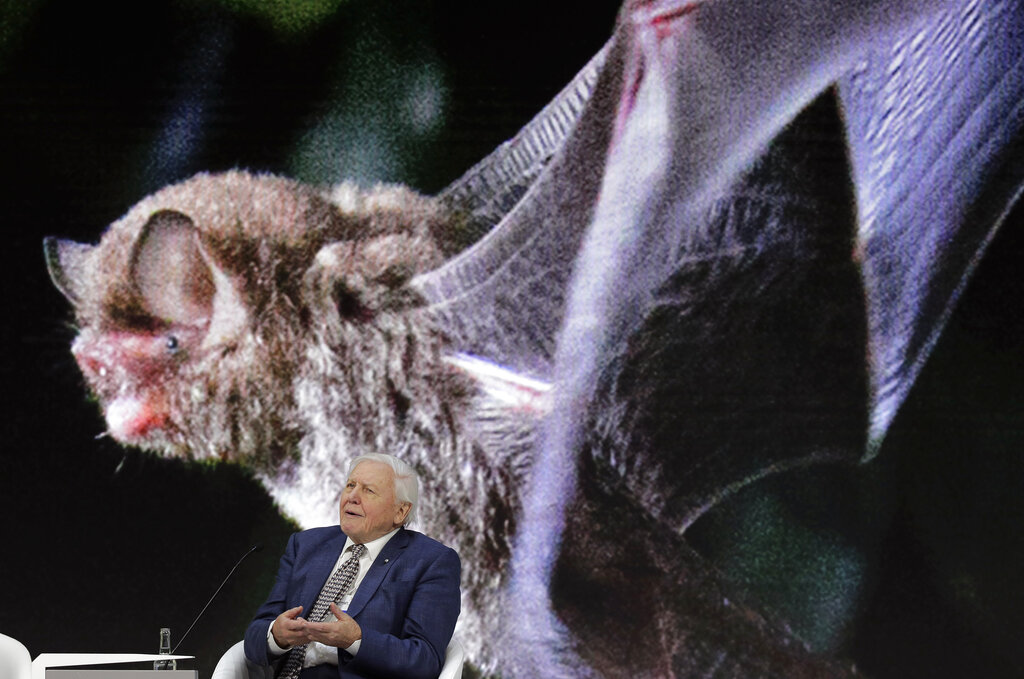
What has always distinguished Attenborough from the many imitators his success inevitably inspired is the depth of scientific understanding underpinning every word he delivers. His programs are not merely visually spectacular. They are scientifically rigorous, and that rigor has consistently been recognized by the academic community.
Professor Ben Garrod, an evolutionary biologist and broadcaster, has observed that Attenborough initially approached his work as a neutral observer, presenting the mechanisms of the natural world without imposing editorial judgment. The complexity of biological concepts, from the mechanics of natural selection to the intricacies of animal communication and the interconnectedness of ecosystems, was rendered accessible to mass audiences without being simplified to the point of distortion. For many of the scientists who shaped late twentieth century biology, Attenborough's programs served as their first encounter with the discipline.
Jean-Baptiste Gouyon, a professor of science communication at University College London, has noted that Attenborough achieved something genuinely rare: the creation of a public persona capable of translating complicated environmental and scientific issues for a mass audience without sacrificing accuracy, and sustaining that persona across multiple generations of viewers. He became, Gouyon argued, the definitive figurehead for television discourse about nature.
From Observer to Advocate
For much of his career Attenborough maintained a careful separation between natural history storytelling and political advocacy. His programs showed the world as it was, in all its complexity and beauty, without explicitly telling audiences what to think or do about it.
That position became increasingly difficult to sustain as the ecological evidence mounted. Professor Garrod has suggested that Attenborough felt compelled to shift toward explicit advocacy when it became apparent that political and business leaders were failing to respond adequately to what the science was unambiguously indicating.
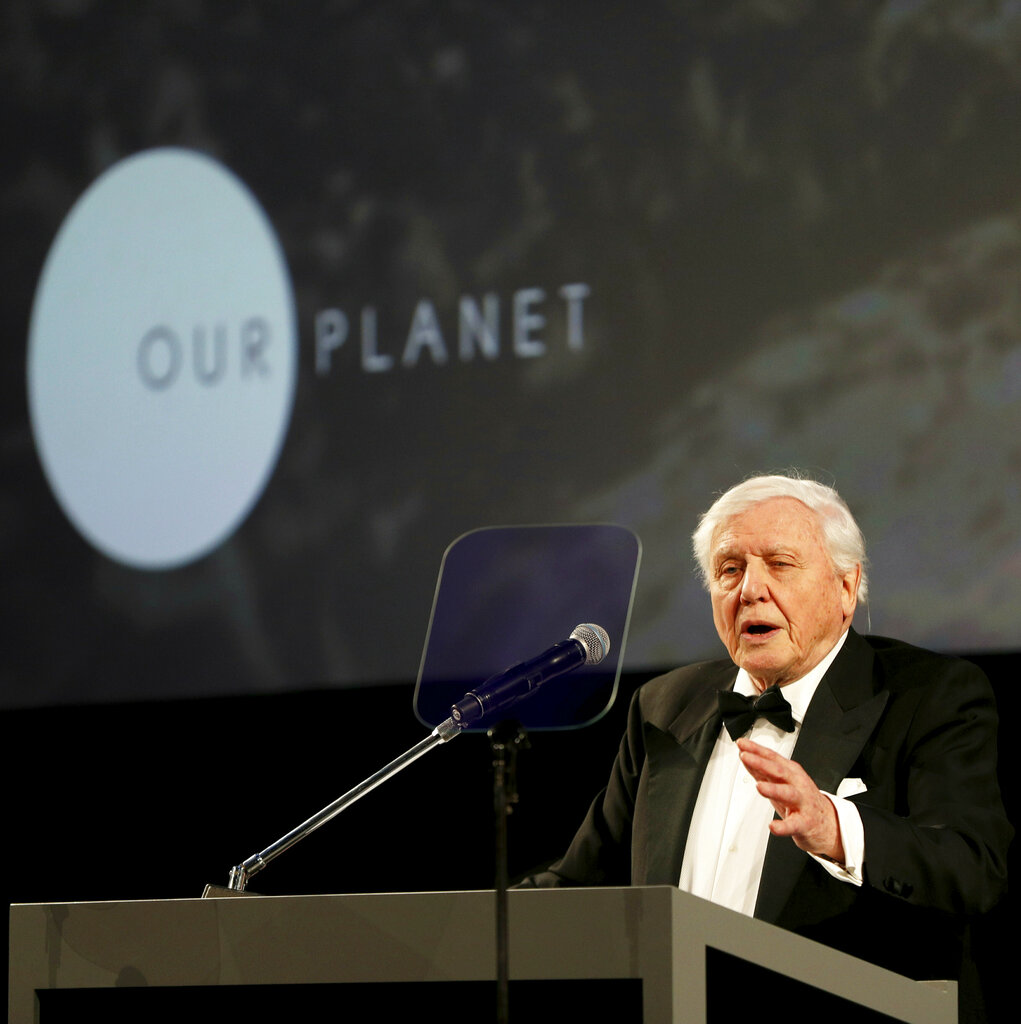
The shift was visible across his later work. The Blue Planet II in 2017 included sequences documenting the catastrophic impact of plastic pollution on marine life, prompting what became known in the United Kingdom as the "Blue Planet effect," a measurable shift in public behavior and government policy regarding single-use plastics. A Life on Our Planet, released in 2020, was framed explicitly as Attenborough's witness statement, a personal account of the environmental destruction he had observed across seven decades of fieldwork, paired with a detailed prescription for reversing it.
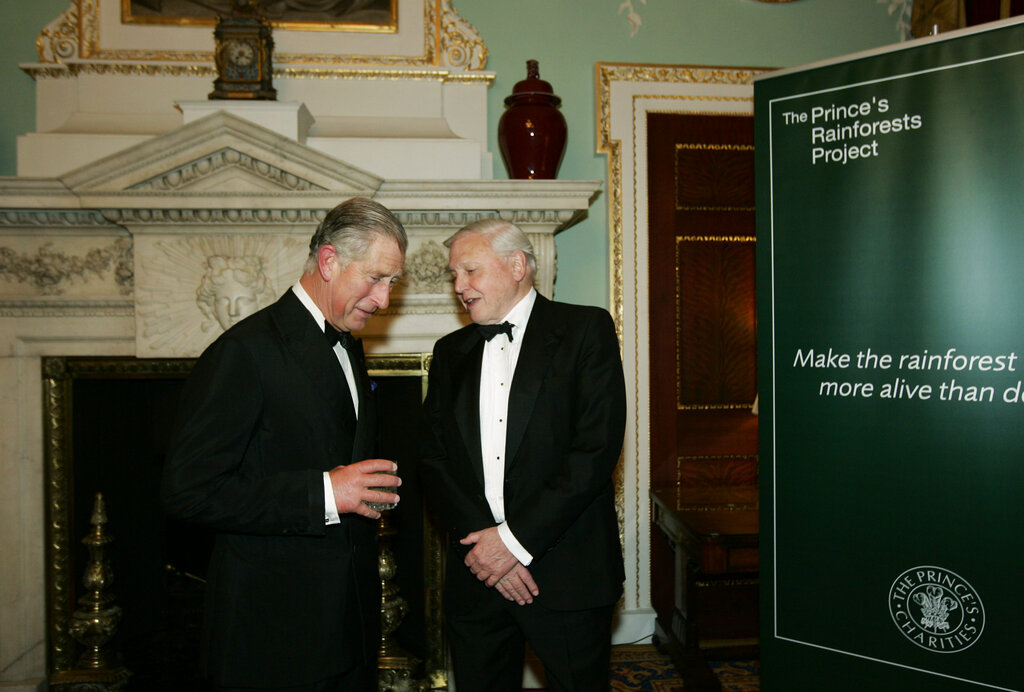
He has addressed the United Nations Climate Change Conference, met with successive British monarchs and heads of government, and became one of the most frequently cited public voices on the existential threat posed by climate change and biodiversity loss. His ability to make those threats feel real and urgent to audiences who had no scientific background represented a form of public service that many governments and international institutions struggled to replicate through conventional means.
Honours and Recognition
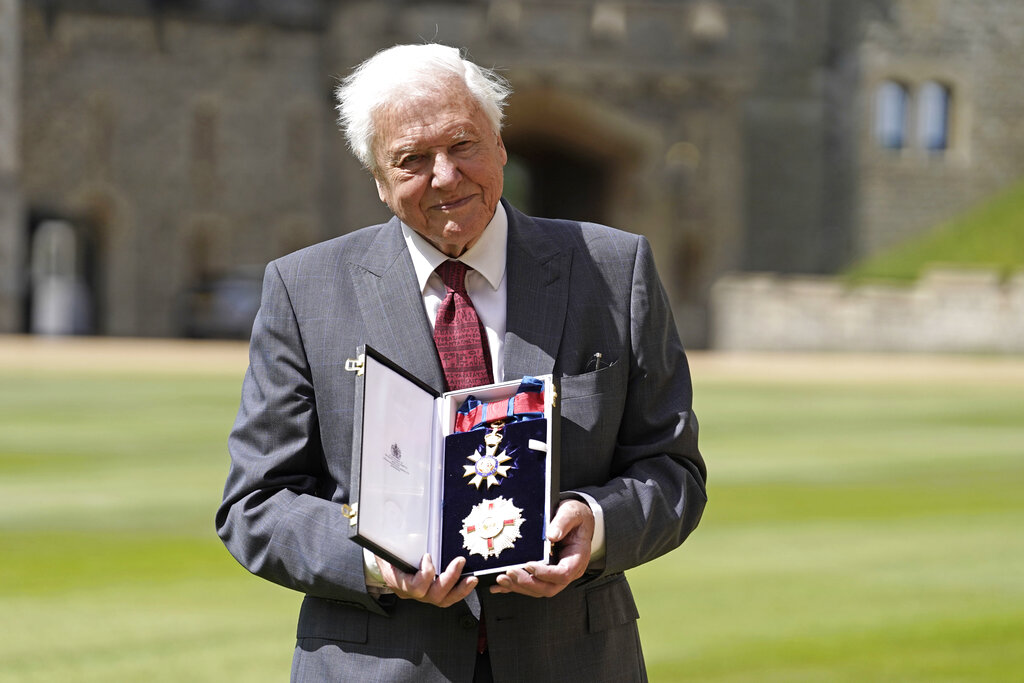
Attenborough's contributions to broadcasting, science communication, and conservation have been recognized through an accumulation of honours that few individuals in any field have matched.
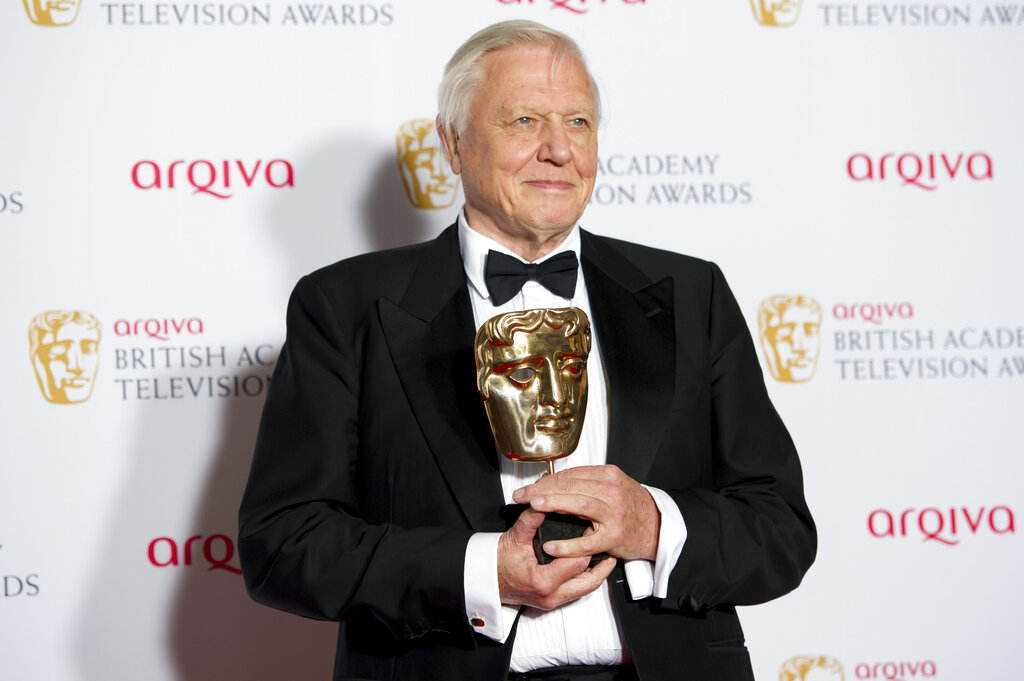
He was appointed Commander of the Order of the British Empire in 1985 and knighted in 1985, becoming Sir David Attenborough. He is a Fellow of the Royal Society and a Fellow of the Society of Antiquaries. He has received honorary degrees from numerous universities across the United Kingdom and internationally. He is one of only a small number of individuals to have received BAFTAs for programs in black-and-white television, color television, high-definition television, and 3D television. In 2022 he was appointed to the Order of Merit by King Charles III, one of the most prestigious personal honours in the United Kingdom, limited to only 24 living members at any one time.
The natural world has returned the tribute in its own way. Multiple species have been named in his honor, including Blakea attenboroughii, a flowering plant from Ecuador; Materpiscis attenboroughi, a 375-million-year-old fossil fish discovered in Australia; Nepenthes attenboroughii, a carnivorous pitcher plant from the Philippines; and Cascolus ravitis, a 430-million-year-old crustacean. An asteroid, 81375 Attenborough, also bears his name.
Still at Work
Despite reaching his centenary, Attenborough has shown no indication of stepping back from the work that has defined his life. Fothergill noted that the broadcaster continues to feel deeply privileged to remain active in natural history storytelling, a sentiment that appears entirely genuine given the consistency with which he has pursued it across ten decades.
In a recorded audio message released to mark his birthday, Attenborough expressed gratitude for the extraordinary volume of greetings he received from individuals across every generation, from preschool children to residents of care homes, a range that speaks to the unusual depth and breadth of his cultural reach.
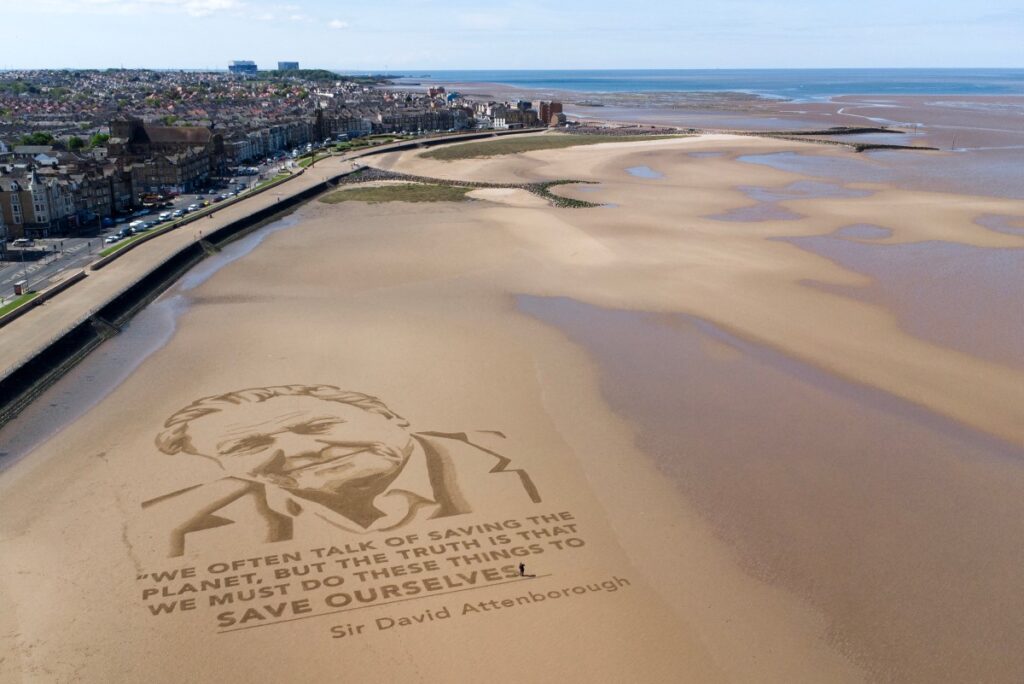
On Morecambe beach in northern England, the arts organization Sand In Your Eye created a large-scale sand portrait of his likeness, visible from the air, as an unofficial tribute from the public he has spent a lifetime educating and inspiring.
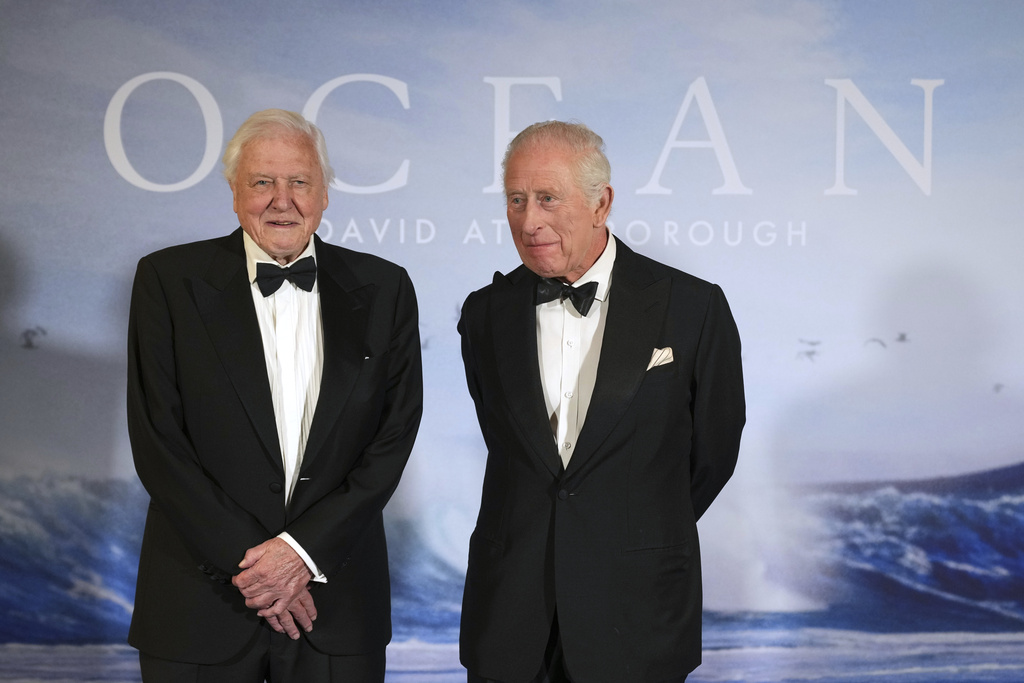
A Life in Perspective
David Attenborough was born in the year that the first television signal was transmitted by John Logie Baird. He has lived long enough to see that medium become the primary vehicle through which the majority of humanity understands the natural world, and to have become, in the judgment of many, its greatest practitioner.
He has filmed on every continent. He has documented species that have since gone extinct and has watched ecosystems he first encountered in their full vitality diminish to fragments of their former selves. He has used that accumulated witness to argue, with increasing urgency, that the trajectory can still be changed.
At 100, the voice remains the same: measured, precise, and charged with a sense of wonder that seven decades of fieldwork have not diminished. The question he has spent a lifetime encouraging the world to ask remains as urgent as ever: what kind of planet do we intend to leave behind?
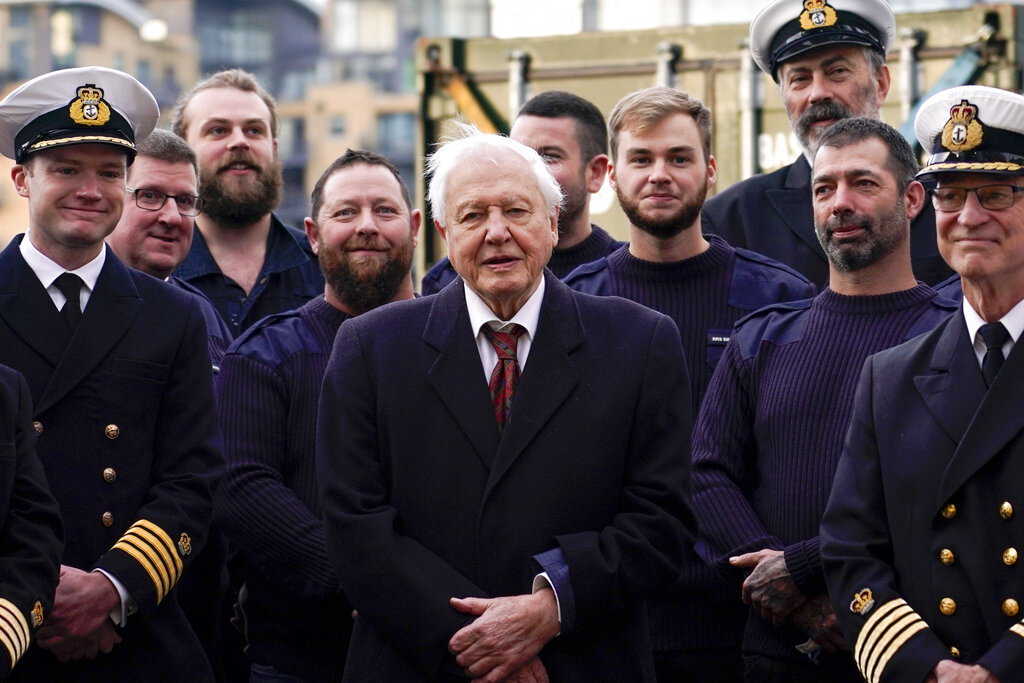
This article draws on reporting by The Associated Press and additional biographical and archival sources. Sir David Attenborough was born on May 8, 1926, and turned 100 years old on the date of publication.
08/05/2026