Trump Accuses Media of ‘Virtual Treason’ Over Iran War Coverage
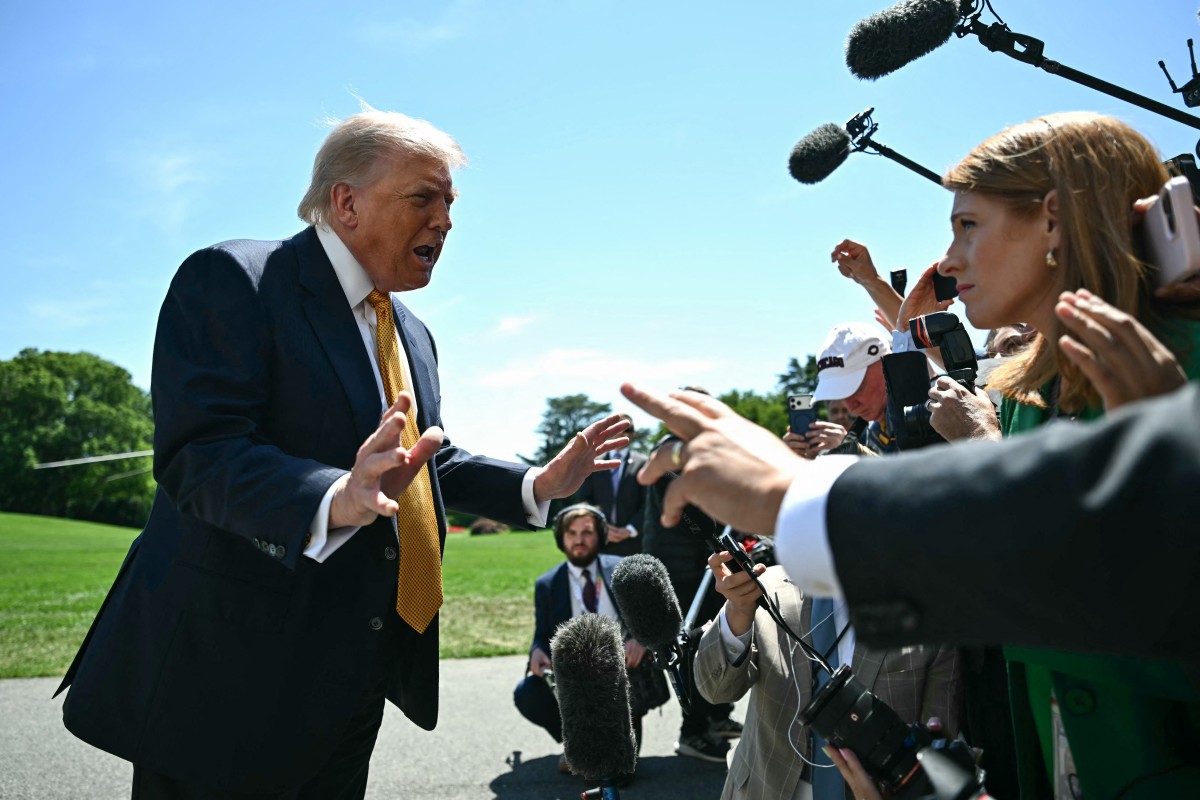
U.S. President Donald Trump sharply criticized media coverage of the war involving Iran, accusing outlets reporting that Tehran is performing well militarily against Washington of engaging in what he described as “virtual TREASON.”
In a post on Truth Social, Trump claimed some reporting had created false expectations in Iran, though he did not identify specific media organizations or reports.
“They are aiding and abetting the enemy!” Trump wrote.
“All it does is give Iran false hope when none should exist. These are American cowards that are rooting against our Country.”
He added: “Only Losers, Ingrates, and Fools are able to make a case against America!”
Administration Criticism of Media Intensifies
Trump’s remarks come amid broader criticism from senior administration officials of U.S. media coverage of the conflict, particularly reporting seen as questioning the effectiveness or rationale of military operations.
The White House has repeatedly defended the administration’s handling of the war, while critics have raised concerns over transparency, military objectives and the economic consequences of the conflict.
Report on Subpoenas Draws Attention
Separately, CNN reported this week, citing unnamed officials familiar with the matter, that Trump had “personally pushed” the U.S. Department of Justice to issue subpoenas to journalists covering the war in an effort to identify confidential sources.
The report has not been independently verified, and the White House has not publicly commented in detail on the claim.
Press freedom advocates have long warned that efforts to compel journalists to reveal sources could have a chilling effect on reporting, particularly in matters involving national security.
13/05/2026