'Real Pain Begins When Mortgage Rates Jump': Iran Blames Hormuz Blockade for Rocketing US Debt Costs
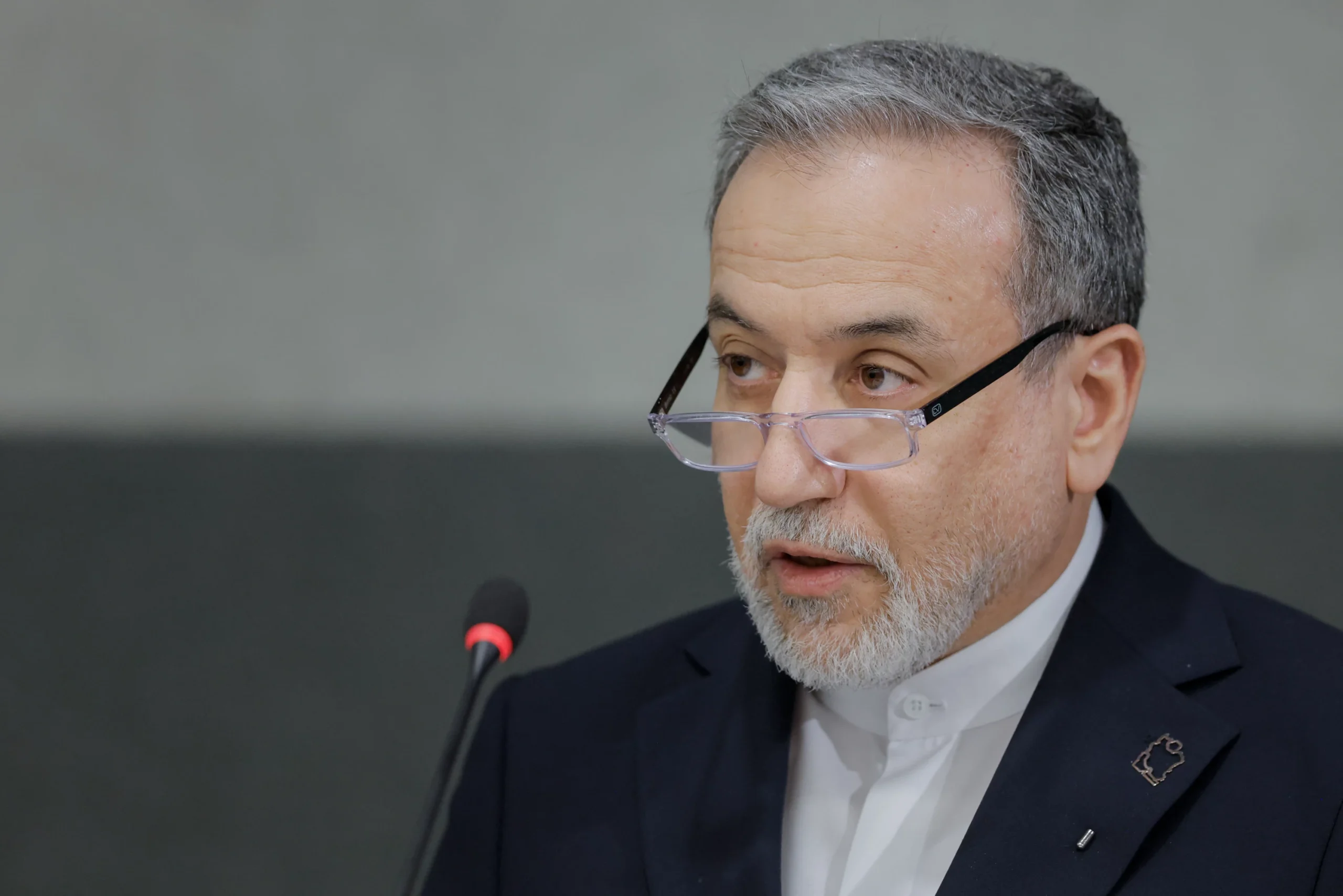
Foreign Minister Abbas Araghchi warned that Iran remains fully prepared to resume direct military conflict with the United States if ongoing diplomatic negotiations fail to yield acceptable results.
The statement comes amid a wave of coordinated state messaging from Tehran targeting both domestic and international audiences. Araghchi cautioned that while the US-Israeli military campaign has devastated parts of the region, the war's economic fallout is now directly impacting ordinary American households.
The conflict, which erupted on February 28, has triggered a near-total closure of the strategic Strait of Hormuz, a vital maritime chokepoint that typically handles roughly one-fifth of the world’s global oil and gas shipments. The resulting disruptions have already driven up US energy costs and domestic inflation.
"Americans are told that they must absorb rocketing costs of a war of choice on Iran," Araghchi posted on X, attaching an image of rising US Treasury bond yields. "Put aside gas price hikes and stock market bubbles, real pain begins when US debt and mortgage rates start to jump. Auto loan delinquencies are already at a 30-plus-year high."
War Costs Stir Ridicule and Economic Warnings
Iranian officials have increasingly seized on US economic vulnerabilities to pressure Washington. Following a US government auction of $25 billion in 30-year bonds at a 5% yield, a milestone unseen in nearly two decades, parliament speaker Mohammad Bagher Ghalibaf openly mocked the US financial strategy.
"So, you’re funding [Pete] Hegseth, the failed TV host, at rates unheard of since 2007, so he can cosplay as Secretary of War in our backyard in Hormuz?" Ghalibaf posted on X, referring to the newly appointed US Defense Secretary. "You know what’s crazier than $39 trillion in debt? Paying a pre-GFC [Global Financial Crisis] premium to fund a LARP, and all you’ll get is a brand new GFC."
On Friday, benchmark 10-year US Treasury yields reached their highest level in a year as market traders braced for potential interest rate hikes by the Federal Reserve to combat the energy-driven inflation.
The Battle Over the Strait of Hormuz
A central impasse in the negotiations remains the future administration of the Strait of Hormuz. Tehran is demanding total sovereignty over the waterway as part of any final peace agreement. This demand has been flatly rejected by neighboring Gulf states, which maintain that the strait holds international waters status.
Ebrahim Azizi, head of the Iranian parliament’s National Security Commission, announced that Tehran has engineered a "professional mechanism" to strictly regulate maritime traffic along designated routes within the strait.
"In this process, only commercial vessels and parties cooperating with Iran will benefit from it," Azizi stated, adding that passing ships will be required to pay transit fees, while any nations backing Washington's naval coalition, dubbed "Project Freedom," will be entirely denied access.
Deepening Economic Crisis Inside Iran
Despite Tehran’s focus on American financial strain, Iran’s domestic economy has taken a catastrophic hit. Official state figures reveal that food inflation spiked to 115% in the first Persian calendar month ending in late April. Essential staples, including cooking oil, rice, and chicken, have tripled in price over the last year, alongside severe price hikes for medicine, electronics, and vehicles.
On the open market in Tehran, the Iranian rial plummeted to roughly 1.8 million per US dollar, hovering dangerously close to its historic all-time low.
Diplomatic distrust continues to stall progress. Following the collapse of last month's peace talks in Islamabad, Iranian officials are looking East. Citing US President Donald Trump’s recent diplomatic visit to China, Araghchi told reporters at a BRICS gathering in New Delhi that Tehran would officially welcome mediation from Beijing to break the deadlock.
Armed Mobilization and Domestic Suppression
As a fragile ceasefire hangs in the balance, the Iranian government has taken unprecedented steps to maintain a wartime footing. State television has intensified its militaristic messaging, with evening broadcast hosts openly brandishing assault rifles on air amid rumors of an imminent resumption of hostilities.
On the state-run Ofogh channel, a masked commander from the Islamic Revolutionary Guard Corps (IRGC) delivered a live tutorial on loading variants of the AK-47, directing citizens to weapons-training booths established at state-sponsored rallies. The broadcast concluded with the host firing a rifle into the studio ceiling before shooting a flag of the United Arab Emirates, reflecting escalating tensions with Abu Dhabi. Similarly, on Channel 3, prominent host Mobina Nasiri delivered a speech while holding an assault rifle, declaring her readiness to sacrifice her life for the state.
In major urban centers, streets and public squares remain occupied by armored vehicles and checkpoints manned by masked, heavily armed personnel. These security forces have been heavily deployed to safeguard nightly pro-government demonstrations and maintain strict internal control.
The security apparatus follows the violent suppression of nationwide anti-government protests in January, which resulted in thousands of deaths and were labeled by authorities as an American and Israeli-backed coup attempt.
To stifle further dissent, the government has enforced a near-total internet blackout for 78 days while implementing a heavily restricted, tiered-access national network. Concurrently, the Iranian judiciary has carried out near-daily executions of political dissidents, signaling an absolute zero-tolerance policy for domestic opposition as the state faces off with Washington.
17/05/2026