Mosul: From Historic Legacy to Destruction
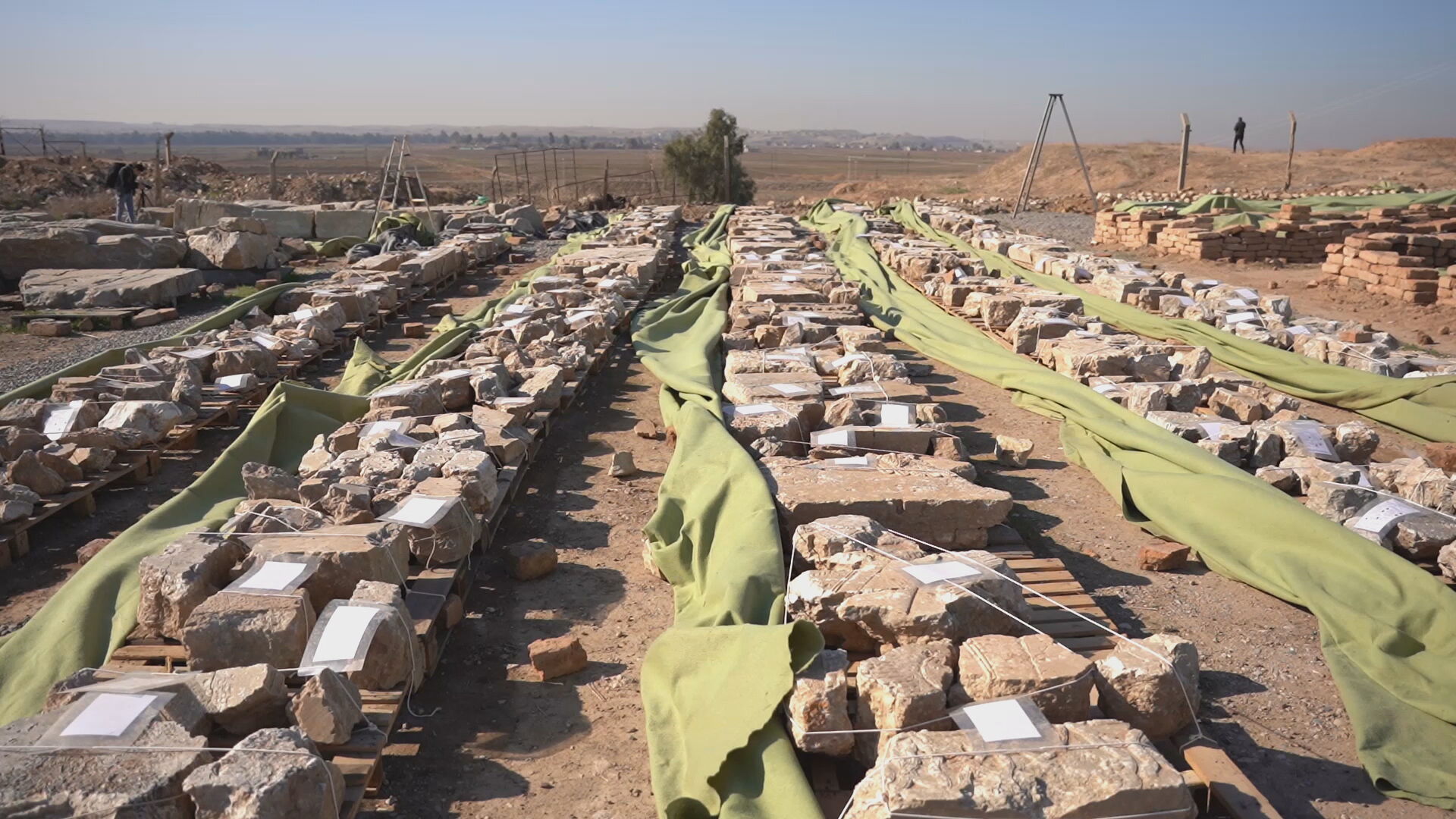
Mosul’s ancient heritage continues to face severe challenges years after the destruction carried out by ISIS, with dozens of archaeological and cultural landmarks still awaiting restoration amid slow reconstruction efforts and urgent warnings from experts about the risk of further irreversible loss.
Destruction of Monuments Under ISIS
Mosul, long known for its rich historical heritage, saw nearly 80% of its monuments destroyed during attacks by the Islamic State of Iraq and Syria in 2014.
Many archaeological sites were completely demolished, while those that remained sustained severe damage. Following the city’s liberation, efforts to restore its cultural and historical landmarks began, albeit slowly.
Looting of the Mosul Museum and International Efforts
ISIS’s destruction extended beyond monuments to include the Mosul Museum, which was heavily looted and lost most of its valuable artifacts.
Although a limited number of items have been recovered through international cooperation, the search for artifacts smuggled outside Iraq remains ongoing.
Urgent Need to Prevent Further Collapse
Archaeologist Fares Abdul-Sattar warned that Mosul’s cultural and historical sites require urgent intervention due to the extent of the damage.
While several restoration projects have been announced, efforts remain limited, and key landmarks, including Bashtabiya Castle and numerous historic mosques, need immediate work to prevent collapse.
He emphasized the need for a dedicated budget to support these efforts.
Slow Progress Amid Nineveh’s Rich Heritage
Restoration work is underway at some sites, but there are ongoing complaints about delays, particularly at Mosul Citadel and the ancient city of Nimrud.
Nineveh Governorate contains more than 1,700 archaeological sites from various eras, including the Assyrian Empire, the Khazar period, Nimrud, Khorsabad, the Umayyad Mosque, the al-Nuri Mosque, and the al-Hadba Minaret, as well as the al-Nabi Yunus Mosque.
This makes Nineveh one of the richest archaeological regions in the world.
Provincial Plans to Revive Tourism
Mohammad Ahris stated that most of the province’s archaeological sites date back to the Assyrian civilization and highlighted Nineveh’s significance as the city associated with the Prophet Jonah (Yunus).
He noted that many important sites were damaged by ISIS and that the governorate is prioritizing restoration efforts to support the tourism sector, with plans to continue these initiatives.
Ongoing Threats and Need for Greater Support
Despite growing international attention, many of Nineveh’s archaeological sites still require urgent restoration. This is particularly critical in areas where damage is severe and poses a risk of permanent loss, underscoring the need for broader and more immediate intervention.
18/05/2026