Iraq–Turkey Oil Export Agreement Ends in July, Talks Begin for Renewal
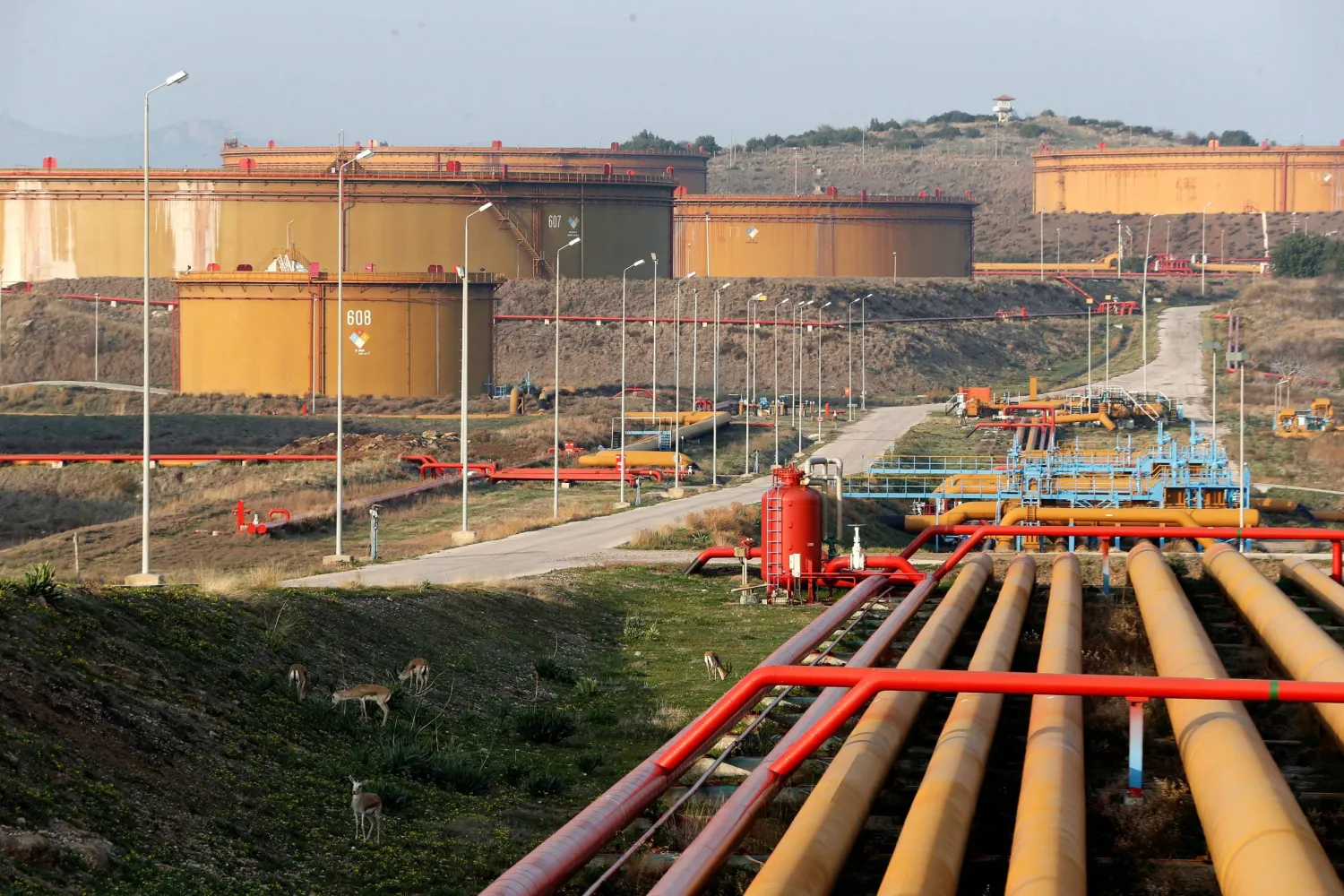
The agreement allowing Iraq to export oil through Turkey’s Ceyhan port will expire in July this year, and both countries are engaged in negotiations to establish a new deal.
Historic Agreement Concludes
Prime Minister Ali Faleh al-Zaidi’s cabinet faces the challenge of the expiration of the oil transfer agreement through Turkey’s Ceyhan pipeline. This agreement dates back to 1973 and was extended in 2010 for another 15 years, with its term officially ending in July this year.
Turkey’s Decision to Terminate
President Recep Tayyip Erdogan has issued a formal decree to end the oil agreement with Iraq. Published in Turkey’s official gazette, the decree emphasizes the termination of the Ceyhan oil pipeline agreement, which has been considered a major economic lifeline between the two countries.
Importance of Ceyhan Port for Iraq
The expiration comes at a time when Iraq cannot export oil through the Strait of Hormuz due to regional tensions. Currently, Iraq relies solely on Turkey’s Ceyhan port for oil exports and revenue to cover salaries and expenses. This creates “a major risk to the country’s finances.”
Negotiations for a New Agreement
Diplomatic and technical talks between Ankara and Baghdad have begun to establish a new framework. The aim of these discussions is to expand coordination in crude oil transfers and to emphasize long-term strategic projects between the two nations.
19/05/2026