Iraq’s Oil and Gas Law: 19 Years of Disputes Between Erbil and Baghdad
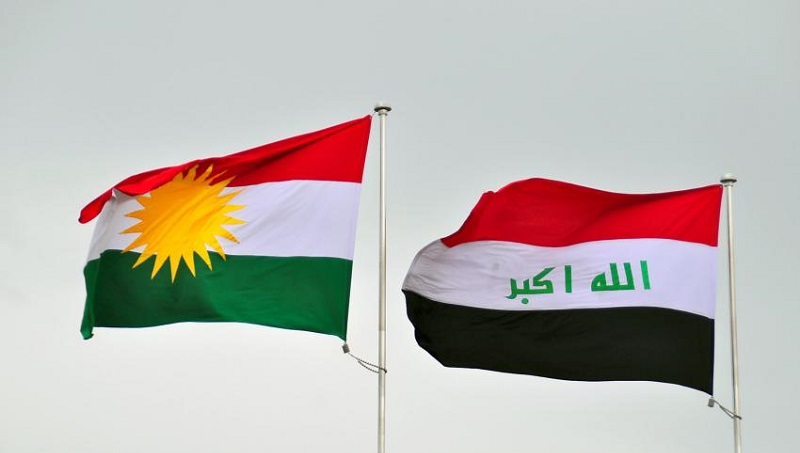
After 19 years of delay, Iraq’s Oil and Gas Law is once again facing a critical test, as the cabinet of Ali Faleh al-Zaidi attempts to resolve the long-standing legal deadlock.
A 19-Year Wait for the Oil and Gas Law
For more than 19 years, the Iraqi Council of Representatives has failed to pass the Oil and Gas Law. During this period, Iraq has not accepted the Kurdistan Region’s conditions, while Erbil has not fully complied with Baghdad’s demands.
Since 2007, four separate drafts of the law have been prepared, but ongoing political disagreements have prevented the legislation from being placed on parliament’s agenda, leaving it dependent on a broader political consensus.
The Core of the Erbil-Baghdad Dispute
The central disagreement between the Kurdistan Regional Government and the Iraqi federal government concerns authority over oil and gas production. Another major point of contention is the management of joint oil fields, an issue on which both sides have yet to reach an agreement.
Oil and Gas in the Iraqi Constitution
The Iraqi Constitution addresses oil and gas in two key articles. Article 111 states that oil and gas are the property of all Iraqi people across all governorates and regions.
Article 112 stipulates that the federal government is responsible for managing oil and gas resources in coordination with regional governments and producing provinces.
Under the constitution, policies related to the development of oil resources must be formulated jointly by both sides.
From Independent Sales to the Paris Arbitration Decision
Although Article 112 refers to joint management of producing fields established before August 15, 2005, the Kurdistan Regional Government has independently exported oil since 2012 without returning to Baghdad.
This continued until March 25, 2023, when the Paris Court of Arbitration ordered a halt to the Kurdistan Region’s oil exports. A new agreement was later signed on April 4 of the same year, and exports resumed on September 27, 2025, yet the Oil and Gas Law itself remains unresolved.
The New Cabinet and the Challenge Ahead
Attention is now focused on al-Zaidi’s cabinet and the new term of the Council of Representatives to finally turn the long-delayed draft into law.
Passing the legislation remains a major demand among most political parties participating in the cabinet, as the unresolved law continues to leave financial and legal disputes between Erbil and Baghdad suspended.
Background on the 2007 Draft Law
The 2007 draft Oil and Gas Law proposed the creation of a Federal Council to oversee Iraq’s energy sector and define the distribution of powers between Baghdad and the regions.
However, the draft was never passed into law due to nearly two decades of political disputes between the federal government and the Kurdistan Regional Government over revenue-sharing and control of oil fields.
20/05/2026