Iraq Bypasses 2026 Budget Law for 1/12th Spending Rule Amid Cabinet Delays and Oil Revenue Shortfall
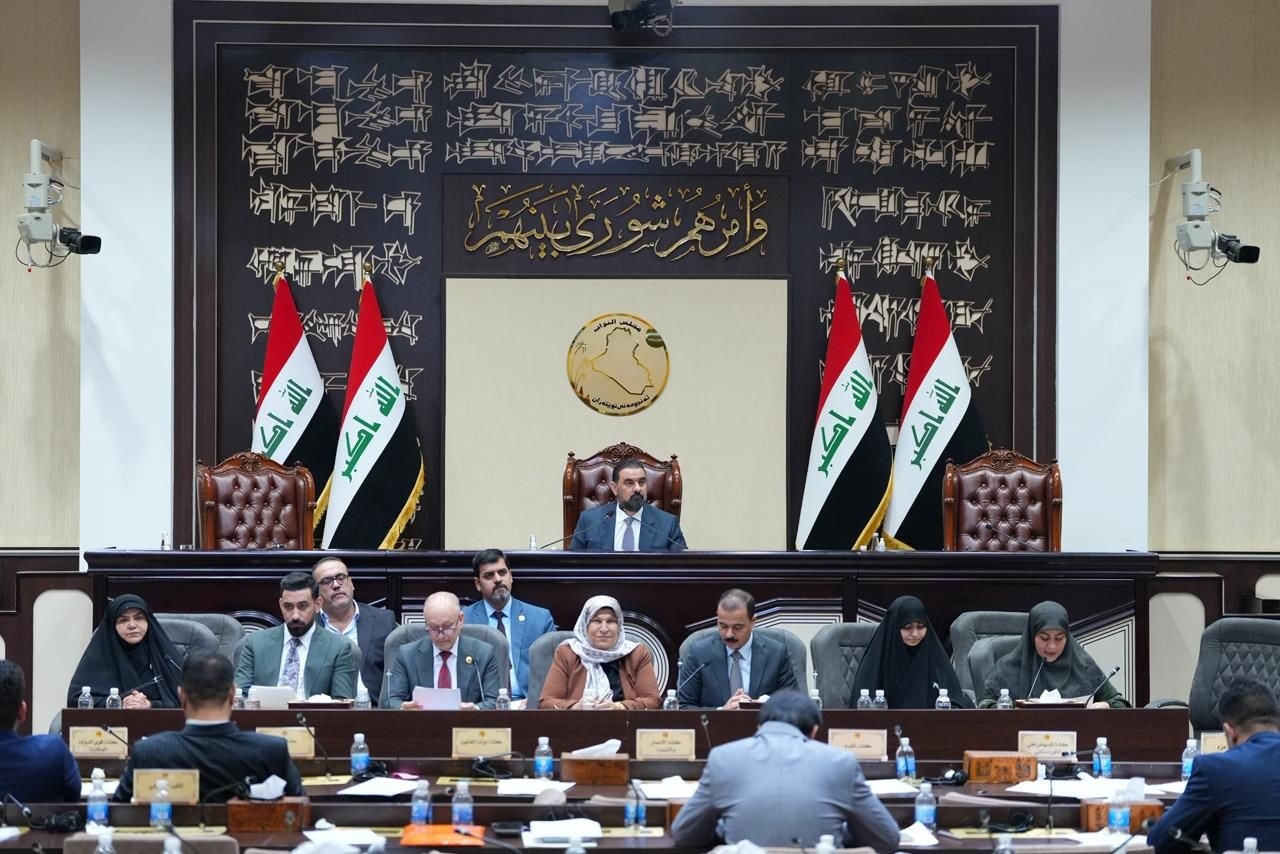
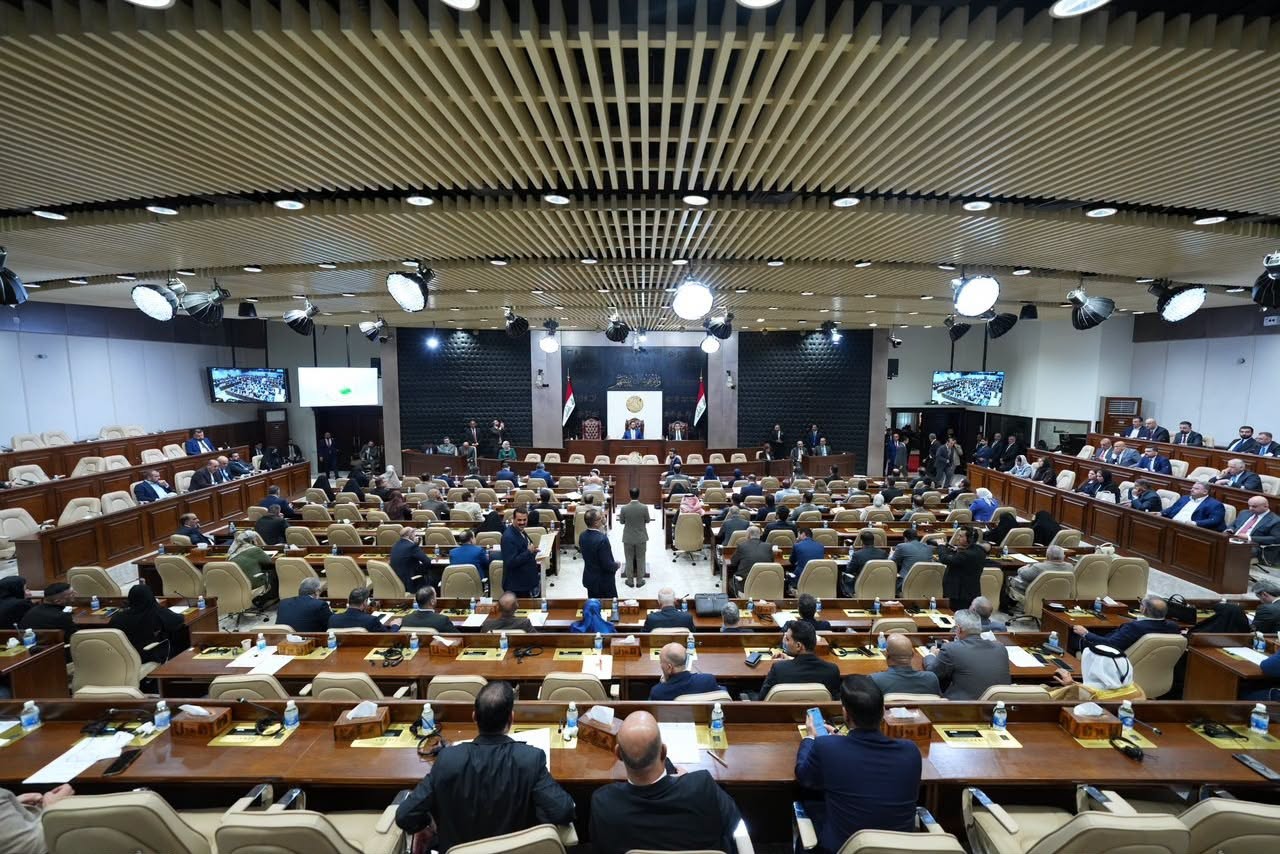
Dilan Ghafoor, a member of the Iraqi parliament, stated that due to the delay in forming the new government's cabinet, the Ministry of Finance cannot prepare the draft 2026 budget law in the short remaining time of this year.
Amid political transitions and a sharp decline in oil revenues, Iraq will operate without a formal 2026 budget law, relying instead on a strict one-twelfth monthly spending rule to maintain state salaries and essential utilities.
Consequently, the government has shifted its focus toward preparing the 2027 fiscal budget while maintaining this restrictive contingency plan to stabilize public expenditures.
Lawmaker Confirms Work Begins on 2027 Budget
Ghafoor noted that work has already begun on the draft 2027 budget law.
She affirmed that state salaries and expenditures will continue to be funded under the previous year's one-twelfth legal framework.
PM Advisor: Disrupted Oil Exports Hinder Fiscal Assessment
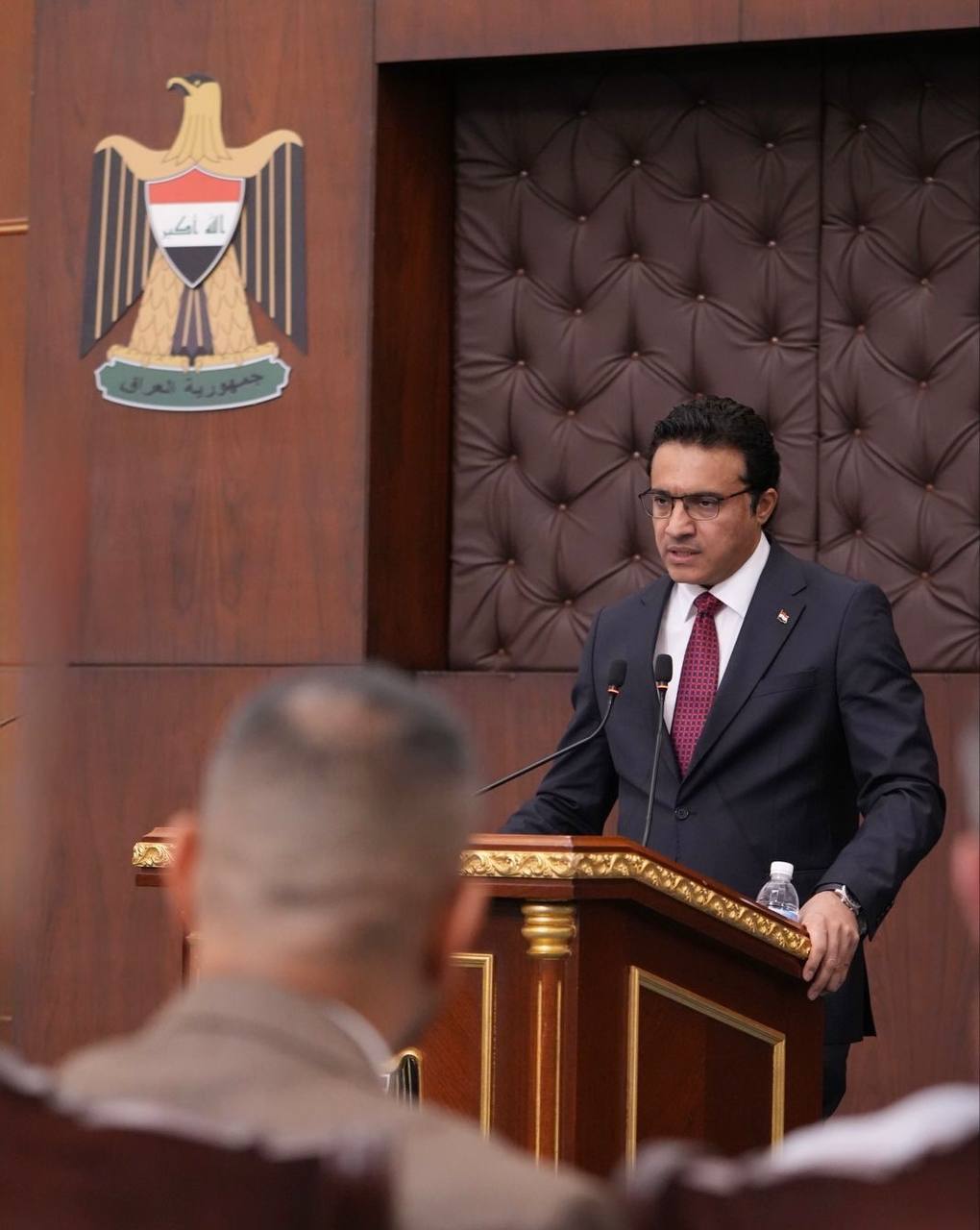
Mazhar Mohammad Salih, Financial Advisor to the prime minister, noted that ongoing conflict has significantly hindered a realistic assessment of Iraq's financial status.
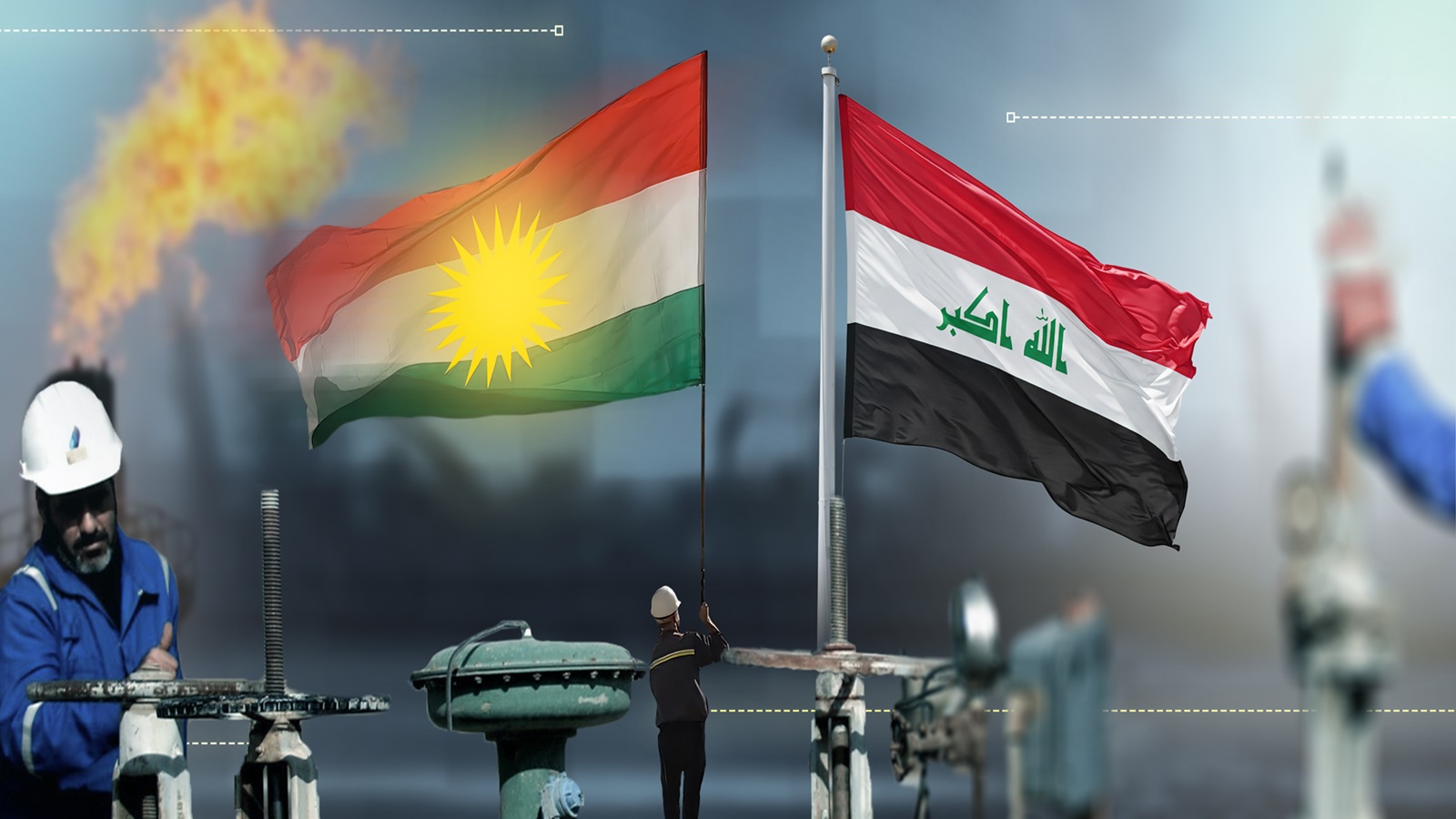
He stated that the country’s oil exports have plummeted from over 100 million barrels to less than 10 million barrels per month, prompting Iraq to rely on both domestic and external debt to meet salary payments and operational expenses.
Salih further explained that, in accordance with the Financial Management Act, preparations are underway for the drafting of the 2027 budget.
However, he emphasized that determining the appropriate budget size and deficit remains challenging at this stage, as these figures are contingent upon the restoration of oil exports to their normal levels.
PM Al-Zaidi Demands Clear Fiscal Vision to Guide National Budget
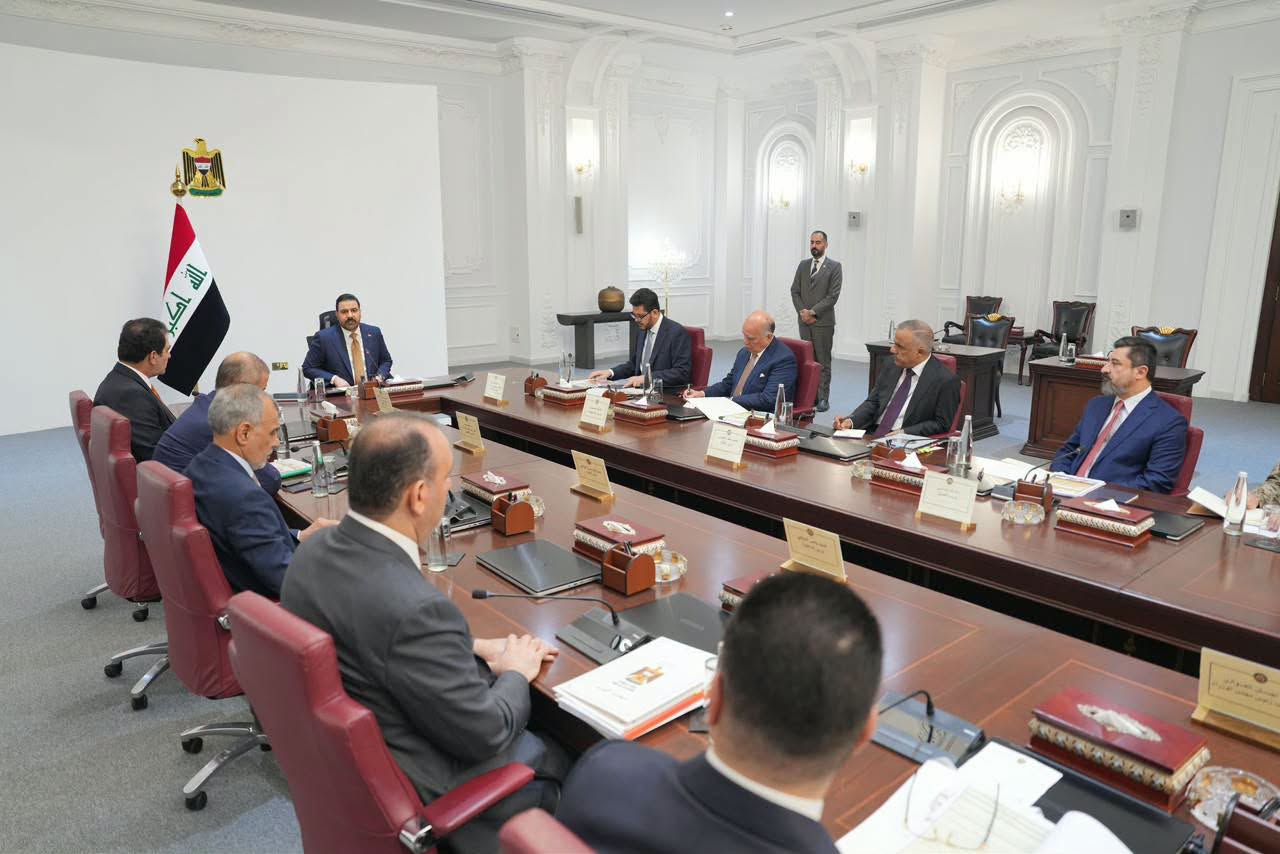
Meanwhile, Prime Minister Ali Faleh al-Zaidi presided over a high-level meeting with Ministry of Finance officials yesterday, highlighting that the ministry must establish a "clear" fiscal vision to guide the national budget as a future roadmap while the government actively develops the Iraq 2035 strategic plan.
al-Zaidi stated that the government is shifting away from traditional operational spending to assume a regulatory role that empowers the private sector to drive national economic development.
The Prime Minister stated that Iraq must diversify beyond its strict oil dependency by implementing budget strategies that maximize alternative revenue generation.
Cabinet Deadlock Breaches October 15 Statutory Deadline
Iraq’s national budget remains highly reliant on oil revenues, with approximately 90% of the total income generated from oil, while non-oil sources account for only 10%. The approved 2023 budget, set for a three-year period, amounts to 199 trillion dinars, featuring a deficit of 64 trillion dinars.
According to Article 11 of the Financial Management Law, the draft budget bill was required to be submitted to parliament by October 15; however, the formation of a full cabinet has delayed this process.
Budget Impasse Threatens Market Stability and Halts Investment Projects
The absence of an approved budget law is expected to have immediate repercussions on the market, investment projects, and employment levels. This uncertainty has led to hesitation among business owners and investors, adversely affecting economic growth.
Additionally, it has resulted in a backlog of incomplete projects and diminished public confidence in both the executive and legislative branches, as most service sectors depend heavily on annual budget allocations.