Following Channel8 Investigation, Kurdistan Region Halts Tax Collection From Factories
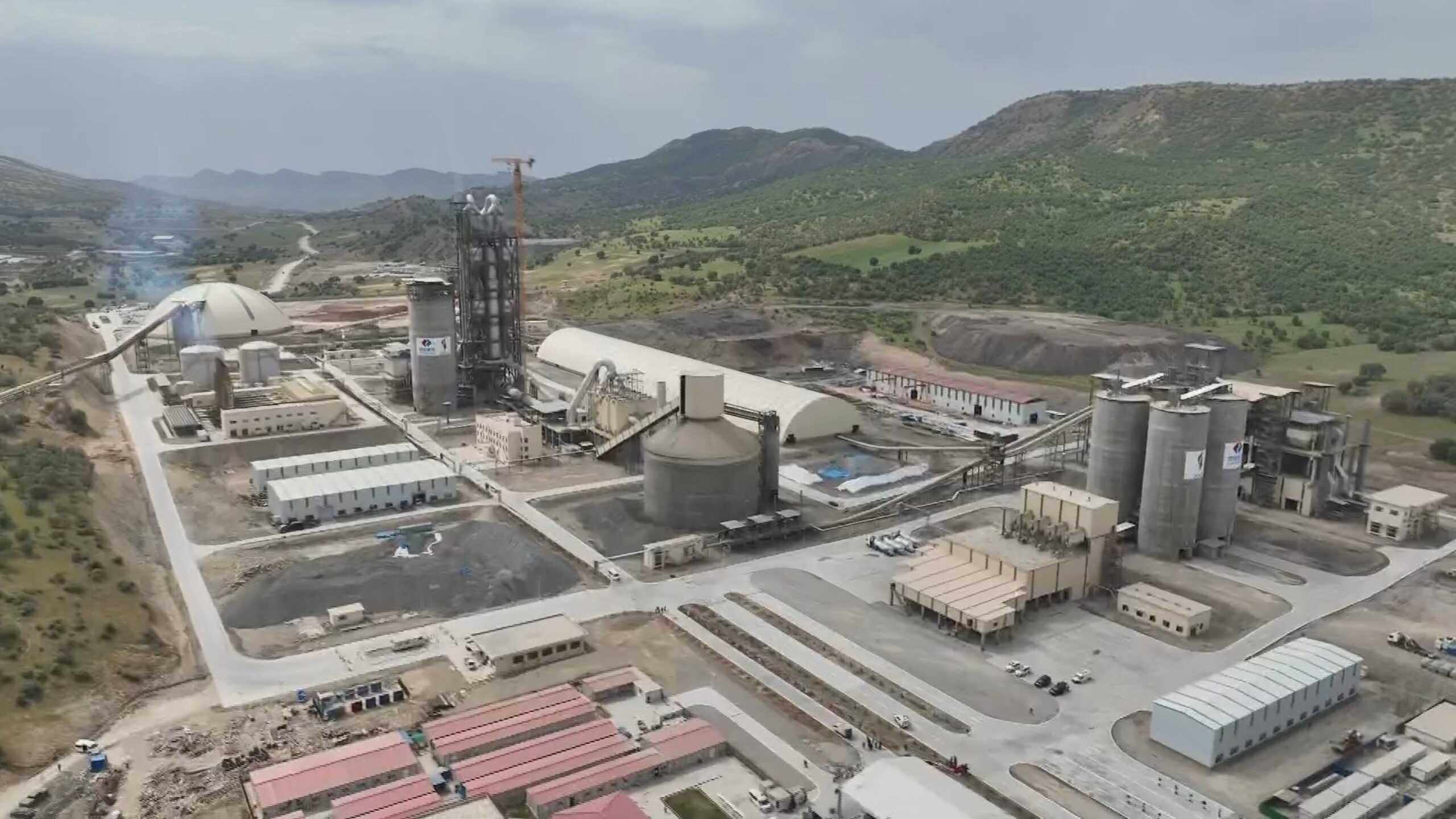
Following a Channel8 investigation into the illegal collection of taxes and duties from factory owners, the Kurdistan Region Government decided to resume implementation of the tax amnesty law.
Tax Collection Suspended and Exemptions Reaffirmed
The General Directorate of Taxation and State Real Estate instructed all of its branches to halt the collection of taxes from factories after it was determined that Law No. 20 of 2019, which grants factories a 10-year tax exemption, does not require additional guidance and should be implemented directly.
Kovan Jalal Rozhbayani, Director General of Industrial Development at the Ministry of Trade and Industry, confirmed that the law will be enforced and that factories will not be taxed for up to 10 years.
He added that factories established before the law’s issuance will receive a five-year exemption, and those that already paid taxes will instead be compensated with an additional five years of exemption.
An official from the General Directorate of Taxation and State Real Estate at the Ministry of Finance stated that factories had previously been taxed under the justification that implementing instructions from the Council of Ministers were still pending.
However, after requests for clarification received no response, indicating that the law required no further guidance, the Income Tax 1 and 2 directorates were officially instructed on May 24 to stop collecting the taxes.
Industrial Sector Faces Deepening Challenges
Factories across the Kurdistan Region continue to face three major challenges: increased tax rates that have created financial pressure, high electricity costs that have raised production expenses, and restrictions on exporting products to central and southern Iraq, which have reduced the size of the domestic market.
As a result of these difficulties, demand for establishing new factories has dropped by 90% this year. Statistics also show that in Erbil and Duhok, half of the region’s 1,938 factories have shut down. In Sulaymaniyah and Halabja, around 700 out of 1,146 factories have closed.
24/05/2026