Ebola Threat Looms Over Displaced Camps in Eastern Congo
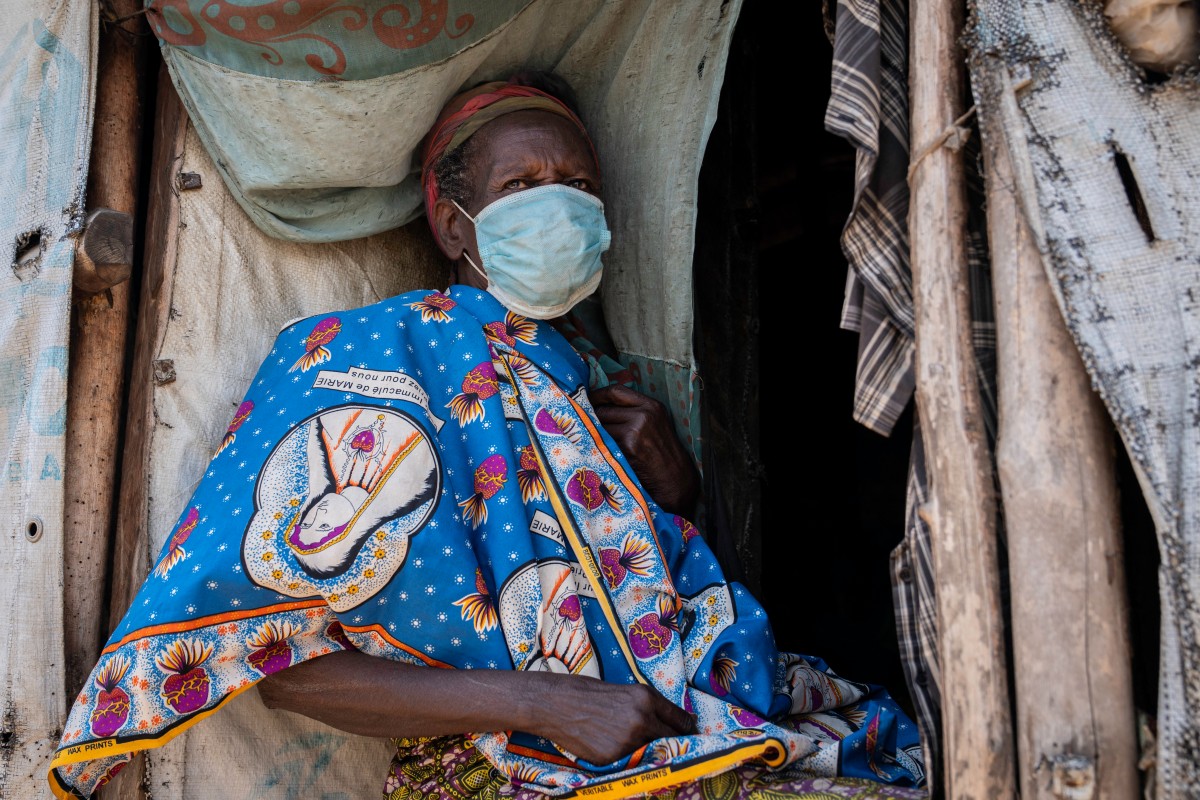
In the sprawling Kingonze camp near Bunia, Democratic Republic of Congo, fear hangs heavy among the 25,000 displaced residents. Dorcas Mapenzi, one of the camp’s inhabitants, worries that if Ebola reaches their overcrowded settlement, “we’ll be wiped out as we’re packed like sardines.”
The camp, built in 2018, is emblematic of the dire conditions faced by nearly a million displaced people in Ituri province. Families live in cramped tarpaulin shelters, with children playing near unsanitary toilets and scarce access to clean water. “We displaced people here have no hygiene,” Mapenzi explained, highlighting the vulnerability of residents to a virus spread through close contact and bodily fluids.
Since the outbreak was declared on May 15, the World Health Organization (WHO) has reported 10 confirmed and 223 suspected Ebola deaths across the DRC, with over 1,000 cases recorded by May 24. WHO chief Tedros Adhanom Ghebreyesus warned that eastern Congo faces a “catastrophic collision of disease and conflict,” as ongoing violence hampers containment efforts.
Residents of Kingonze remain without protective equipment, despite awareness campaigns. “Ebola really kills,” reads a poster at the camp’s entrance. Yet, as Budjo Amos lamented, “I don’t even have soap to wash my hands. The most urgent thing is to give us clean water.” With only one borehole serving thousands, water shortages compound the crisis.
Local authorities acknowledge the scale of the challenge. Lieutenant General Johnny Luboya Nkashama, Ituri’s military governor, stressed the urgent need for medical staff and equipment to prevent disaster across the province’s 61 camps housing nearly 970,000 people.
For displaced families like Mapenzi’s and Nzale’s, the fear is simple and stark: if Ebola enters their camp, survival may be impossible.
29/05/2026