Iraq’s Water Resources Rebound After Years of Drought
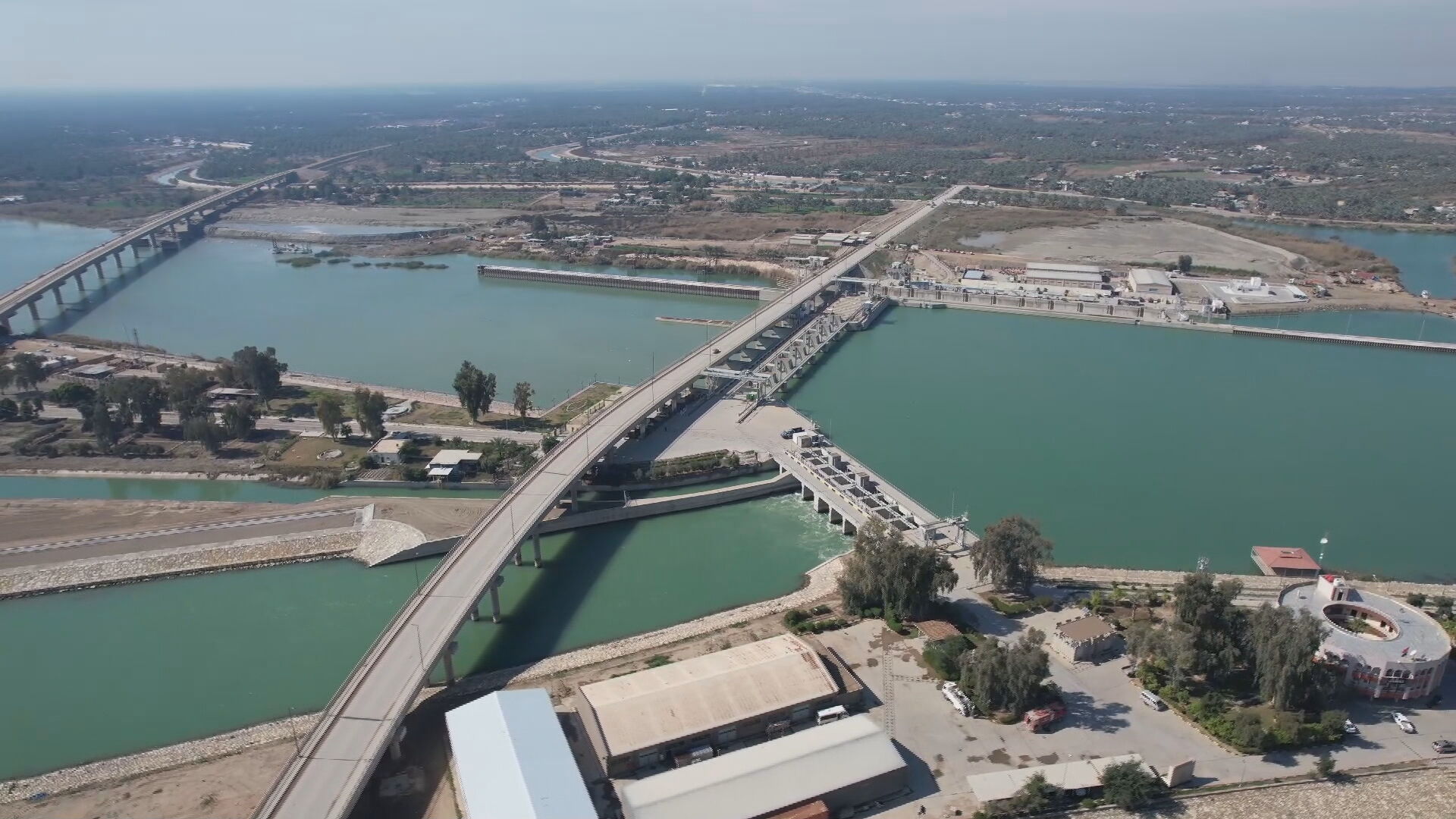
Iraq’s water resources have seen a significant recovery this year following increased rainfall, seasonal flooding, and higher water releases from neighboring countries, revitalizing dams and reservoirs after years of severe water shortages.
The improvement comes after prolonged drought, climate change impacts, and reduced water inflows from neighboring countries placed growing pressure on Iraq’s water supplies, agriculture, and environment.
Years of Water Scarcity
In recent years, Iraq faced a severe water crisis driven by climate change, recurring droughts, and declining water shares from neighboring countries.
The country was particularly affected by reduced flows in the Tigris and Euphrates rivers, whose headwaters originate in Turkey. The construction of multiple dams upstream significantly reduced water releases into Iraq, contributing to challenges in agriculture, livestock production, desertification, and population displacement.
Rainfall and Water Releases Revive Reservoirs
Unlike previous years, water levels in Iraq’s dams and reservoirs have increased substantially in 2026 due to above-average rainfall in Iraq, Turkey, and Iran, as well as flooding and increased water flows into the Tigris and Euphrates rivers.
Zaid al-Khafaji, a professor of political geography at the University of Babylon, said, “This year was highly rainy in the source countries, especially in Turkey. This led to a water surplus in Turkey, forcing it to release water from its dams, particularly the Ataturk Dam, which brought a massive influx of water into Iraq and Syria.”
Turkey’s reservoirs reached high levels this year, prompting authorities to open the gates of the Ataturk Dam in recent days. The move significantly increased water levels in the Euphrates River, causing material damage in parts of Syria while also raising water levels in Iraq.
Calls to Rebuild Strategic Water Reserves
Experts say the current abundance of water should be viewed as a temporary opportunity rather than a permanent solution.
Al-Khafaji said Iraqi authorities should use the additional water to restore the country’s strategic reserves.
“The Iraqi government and relevant authorities, such as the Ministry of Water Resources, must utilize this water volume to replenish the strategic water reserve,” he said.
“Due to the water crisis in previous years, the water level in the strategic reserve had severely depleted, which caused increased desertification, soil salinity, a reduction in green spaces, and environmental pollution, all of which occurred because of water scarcity. Therefore, the relevant authorities can take advantage of this water today.”
Iraq-Turkey Water Cooperation Yet to Advance
In 2025, Iraq and Turkey signed a framework cooperation understanding on water resource management aimed at increasing water releases into Iraq and developing joint projects.
Under the understanding, Turkish companies were expected to participate in the construction of joint dams for water storage and electricity generation. The projects were to be financed through oil revenues.
However, no meetings between Iraq and Turkey on water issues have been held this year, and the agreement has not entered the implementation phase.
According to the understanding, project implementation was delayed following the end of the term of Prime Minister Mohammed Shia al-Sudani’s government.
Long-Term Challenges Remain
Despite improved water levels, experts warn that storing water alone will not resolve Iraq’s long-term water challenges.
They argue that Iraq must secure international agreements with Turkey and Iran to guarantee stable and equitable shares of transboundary rivers, ensuring sustainable water supplies and supporting future agricultural production.
Experts also point to shortcomings in domestic water management, saying existing practices remain unscientific and that the country lacks sufficient dam infrastructure.
Although Iraq has accumulated significant water reserves this year, the limited number of dams and inefficient water management continue to contribute to recurring water shortages during the summer months.
31/05/2026