Baghdad and Erbil Expand ASYCUDA System, Unlocking Official Dollar Pricing for All Imports
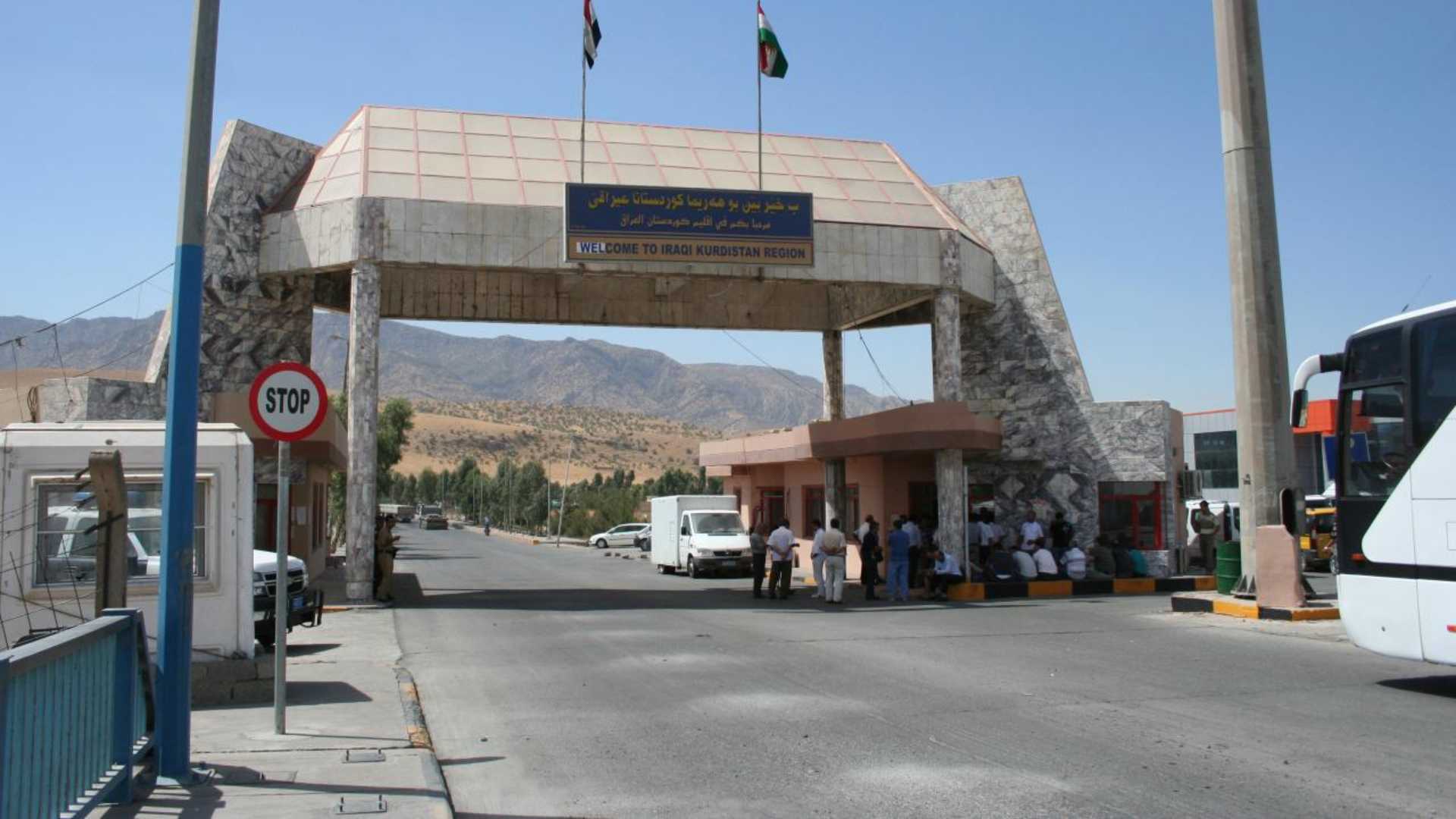
The ASYCUDA automated customs data system has been officially expanded to cover all types of imported commodities at the Ibrahim Khalil international border crossing, a move aimed at facilitating direct access to the official Central Bank of Iraq (CBI) U.S. dollar exchange rate for cross-border traders.
Expansion of ASYCUDA to All Commodities
Nawzad Sheikh Kamil, Director General of Commerce at the Kurdistan Regional Government's (KRG) Ministry of Trade and Industry, announced that starting June 1, 2026, merchants can utilize the ASYCUDA system for the importation of all categories of goods. Previously restricted strictly to food and pharmaceutical shipments, the updated directive mandate now encompasses all products destined for central and southern Iraqi governorates.
Dual Tariff Enforcement and Currency Mechanics
Traders operating under the newly expanded ASYCUDA architecture are legally entitled to settle invoices using the official CBI exchange rate of 1,320 IQD per USD. Structurally, the KRG will continue to levy its localized customs tariffs at the Ibrahim Khalil terminal. Concurrently, a separate tier exists for merchants importing goods exclusively for consumption within the Kurdistan Region; these shipments are subject only to the single regional customs tariff, which remains substantially lower than the automated rates imposed by Baghdad under the ASYCUDA framework.
Executive Authorization and System Mechanics
The comprehensive roll-out follows an official decree issued by the Prime Minister’s Office (Document No. 3005, dated May 14, 2026), authorizing the entry of all commercial goods via Ibrahim Al-Khalil on the condition of total integration with the ASYCUDA platform. Under this automated protocol, merchants digitize manifest data, allowing customs duties and related administrative fees to be debited directly from their linked corporate banking accounts.
Outstanding Points of Friction Between Erbil and Baghdad
Despite the implementation of the system, critical bilateral disputes persist between the federal and regional governments. Jamil Shukri, President of the Duhok Chamber of Commerce, identified four primary unresolved issues currently under dispute:
- Standardized customs tax rates.
- The exact financial mechanism for dollar liquidation to regional merchants.
- Trademark and commercial branding regulations.
- Customs exemption frameworks designed to protect domestic production.
Revenue Disputes Stall Final Customs Accords
The KRG General Directorate of Customs has withheld its signature from a definitive agreement on the system's operational minutiae. Regional authorities reject proposals wherein goods transit through KRG border infrastructure while 100% of the generated customs revenue is funneled exclusively to Baghdad's treasury. Consequently, Erbil maintains its insistence on enforcing local tariff collection. The Ministerial Council for Economy is scheduled to convene an emergency session in the near future to resolve the fiscal impasse.
02/06/2026