Iraqi PM Declares War on Corruption, Orders Ministers to Disclose Assets Within One Week
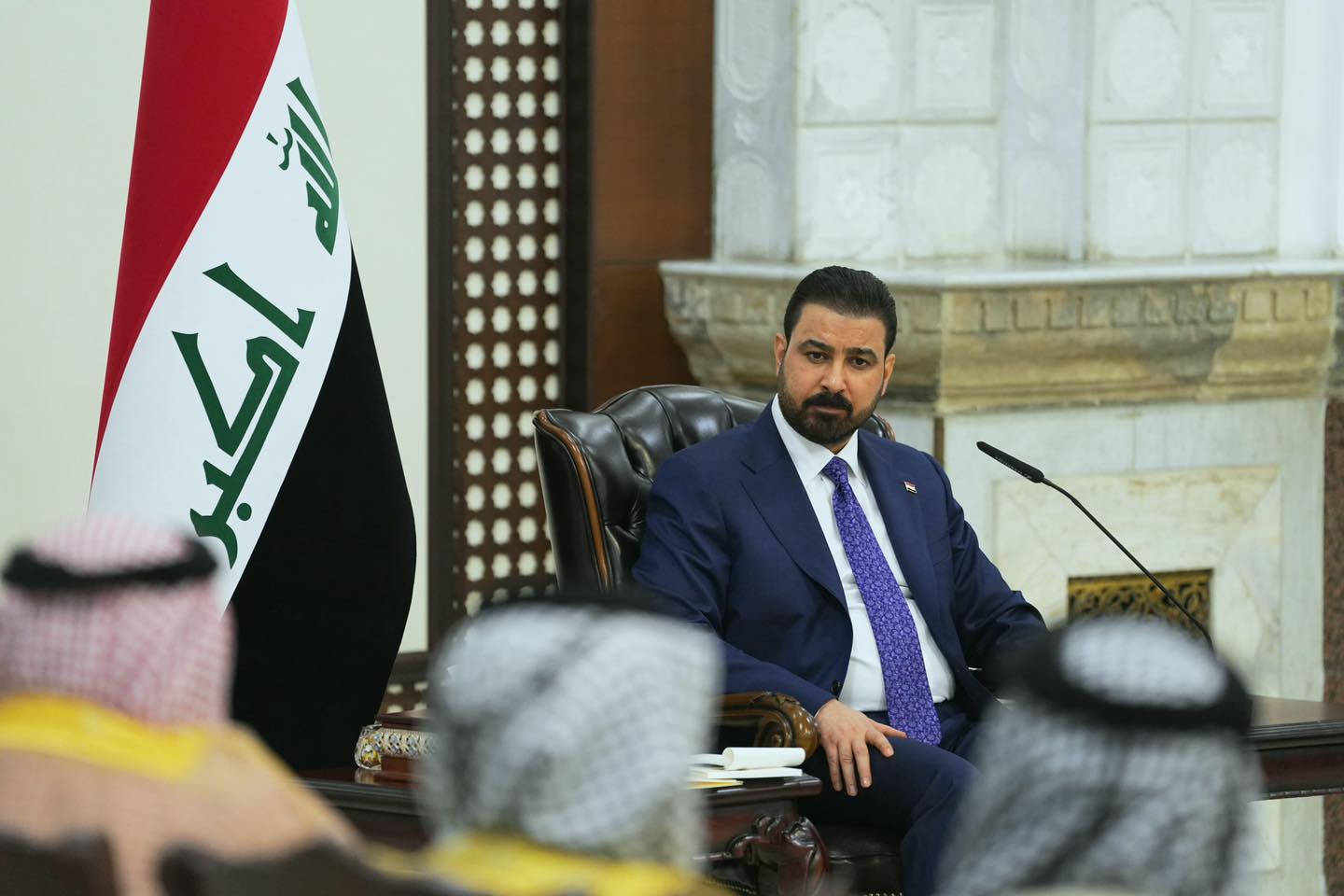
Iraqi Prime Minister Ali al-Zaidi has declared an all-out war against systemic corruption, marking his administration's first major policy move by mandating all cabinet ministers to publicly disclose their financial assets within one week.
Ministerial Accountability and Contract Audits
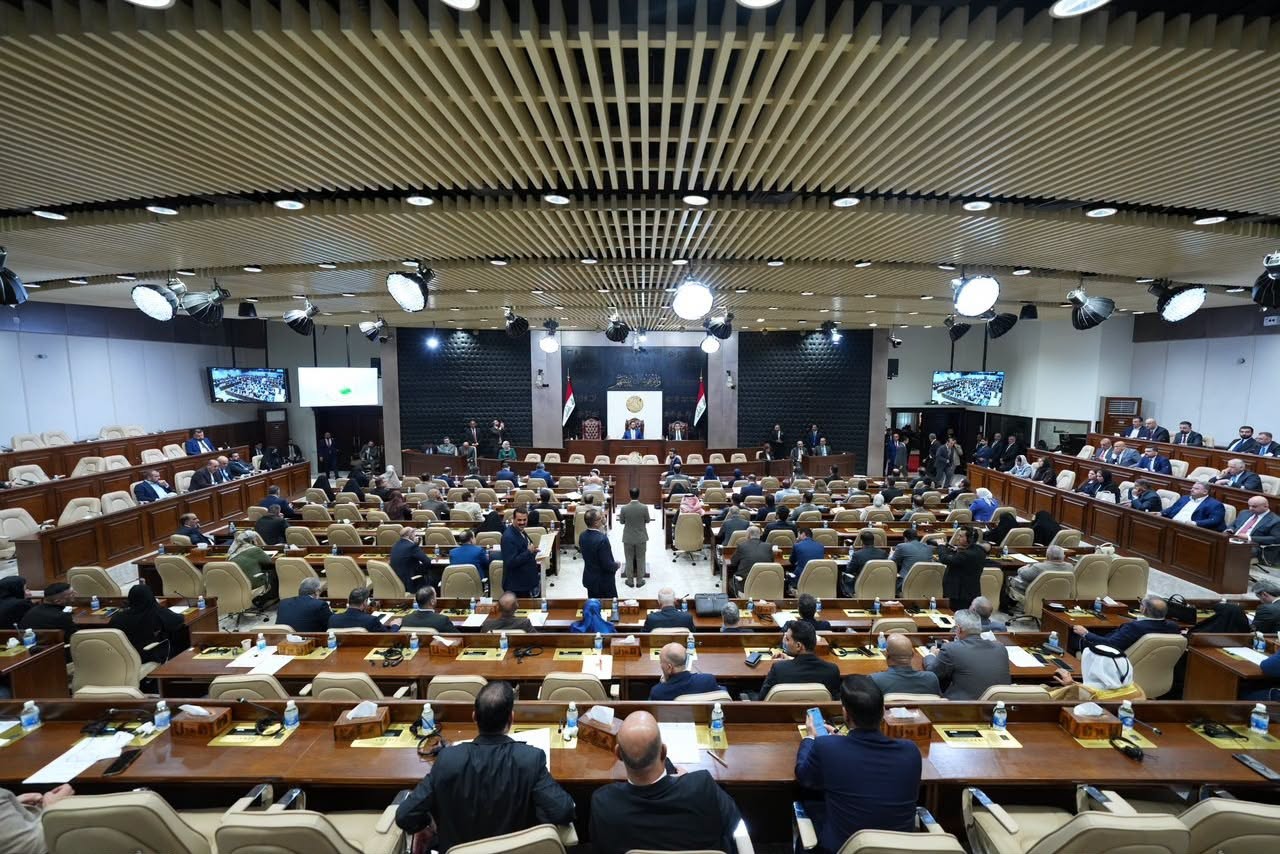
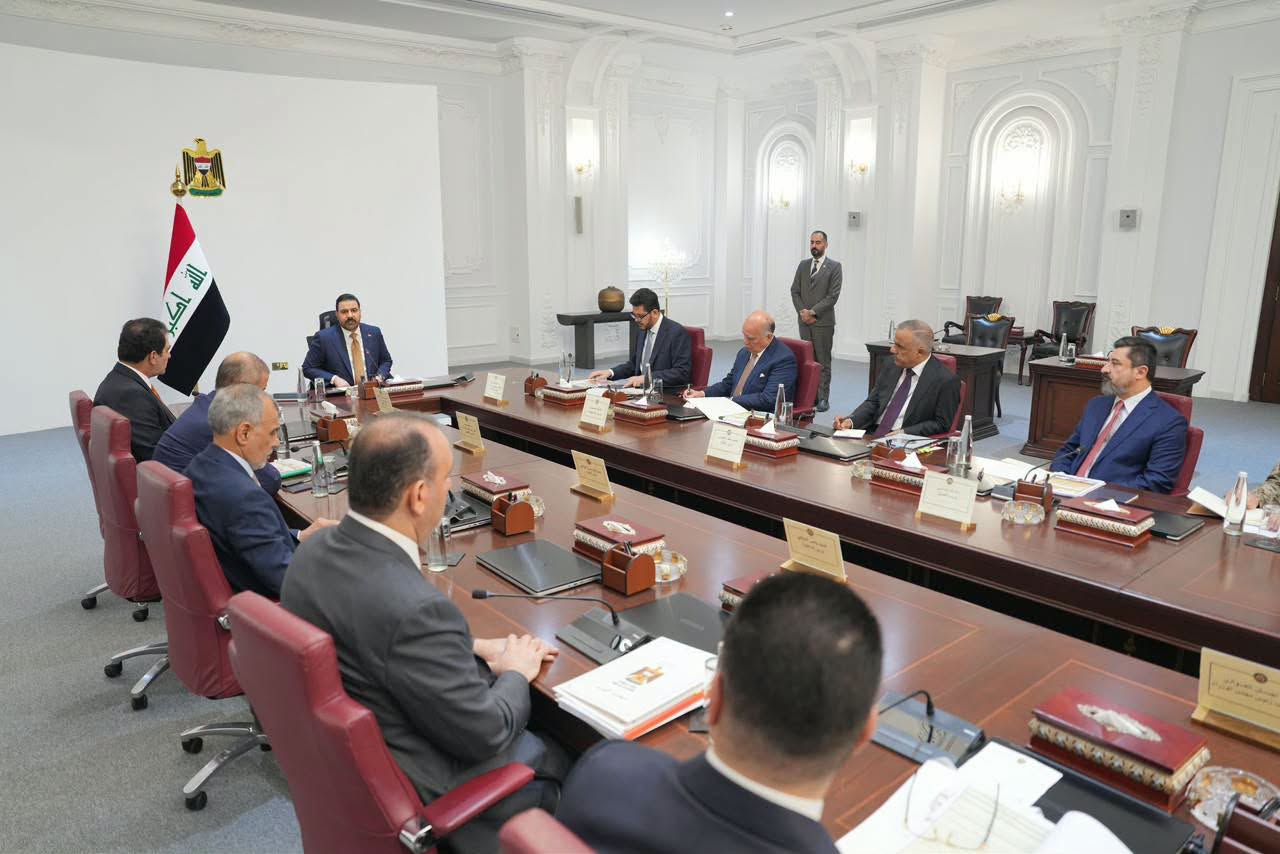
During his inaugural cabinet session, Prime Minister al-Zaidi designated the eradication of administrative and financial corruption as his administration's absolute highest priority. al-Zaidi issued a strict directive requiring every government minister to submit exhaustive documentation regarding their personal wealth and assets to the Federal Commission of Integrity within seven days.
In tandem with the asset mandates, the Prime Minister ordered an immediate, comprehensive audit of all active contracts signed by ministries and public institutions. Any identified irregularities or legal infractions are to be fast-tracked to the judiciary to ensure negligent officials face criminal prosecution.
Creation of the Supreme Sovereignty Council for Integrity
To solidify institutional oversight, the Prime Minister signed an executive decree on May 30, 2026, establishing the "Supreme Sovereignty Council for Integrity, Oversight, and Public Asset Recovery." The council’s primary mandate focuses on tracking, monitoring, and auditing large-scale government projects and procurement contracts. The ultimate goal of the new body is twofold: preventing the ongoing embezzlement of state funds and orchestrating the repatriation of billions in capital stolen during previous administrations.
High-Profile Arrests and Multi-Trillion Dinar Heist Thwarted
The anti-graft crackdown yielded immediate results just 24 hours after the new measures were codified. Adnan Hamad Hamoud, the former director of the North Refineries Company and a former deputy minister of oil, widely referred to in domestic circles as the "Oil Whale" was arrested on sweeping corruption charges.
Simultaneously, investigators from the Commission of Integrity successfully foiled a major financial plot aimed at siphoning 1.5 trillion Iraqi dinars (IQD) from two state-owned banks in Baghdad. Law enforcement officials confirmed that two suspects have already been detained in connection with the multi-trillion-dinar banking conspiracy.
A Technocratic Strategy to Protect Public Wealth
In his maiden address to the nation after assuming office, Prime Minister al-Zaidi characterized financial and administrative corruption as the single greatest bottleneck stymieing Iraq’s economic development. al-Zaidi, who possesses a robust background in economics and commerce, stressed that his government will deploy its full legal power to safeguard public wealth. These domestic measures come at a critical time, as international watchdogs consistently rank Iraq among the most non-transparent and corrupt nations globally.
The Looming Shadow of the "Heist of the Century"
Despite the swift momentum of the new administration, the monumental challenge of recovering vast sums of capital smuggled out of the country in recent years remains unresolved.
The greatest test of al-Zaidi's anti-corruption campaign is the ongoing fallout from the infamous "Heist of the Century," a scandal that saw trillions of dinars systematically looted from state coffers. To date, many of the primary suspects continue to evade justice, moving freely both inside Iraq and abroad due to entrenched patron-client networks linked to highly influential political actors.