El Niño Raises Global Risk of Extreme Weather, Impacts Expected in the Kurdistan Region
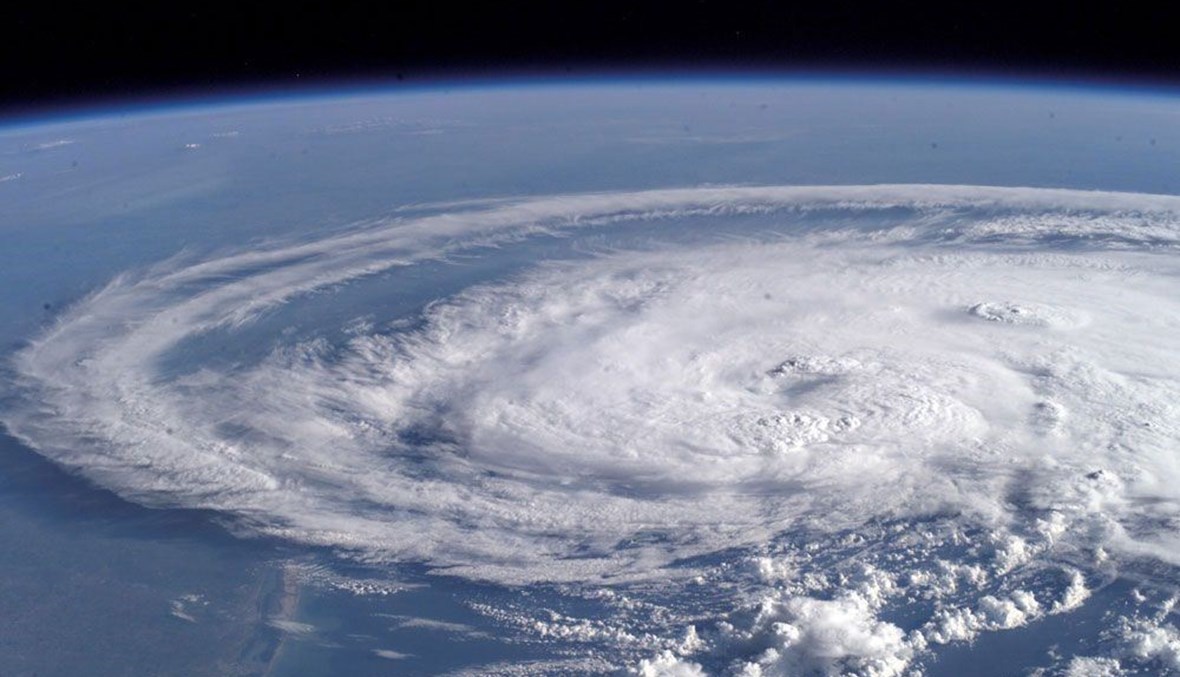
The World Meteorological Organization (WMO) has warned that El Niño conditions are developing in the tropical Pacific, increasing the likelihood of extreme weather patterns worldwide over the coming months, with elevated risks of heatwaves, droughts, and heavy rainfall.
The agency said unusually warm ocean waters are driving the development of the climate phenomenon, which is expected to influence global temperature and rainfall patterns across multiple regions.
High Probability of El Niño Development
A new WMO El Niño/La Niña Update indicates an 80% probability that El Niño conditions will emerge between June and August 2026.
The report adds that the likelihood of the phenomenon continuing until at least November rises to 90% or higher. While uncertainty remains regarding peak timing and intensity, most climate models suggest the event will be at least moderate, with the possibility of strong development.
The WMO said its El Niño updates are based on coordinated global climate models and expert input from National Meteorological and Hydrological Services and international climate centers, produced jointly with the International Research Institute for Climate and Society (IRI).
UN Warns of Intensifying Climate Impacts
UN Secretary-General António Guterres warned that the developing El Niño will intensify climate risks globally.
“The science is clear: El Niño is arriving on our doorstep in the coming months with 90% certainty. The world must treat it as the urgent climate warning it is. El Niño conditions will pour fuel on the fire of a warming world. Impacts will hit even harder, travel even farther, and cross borders with devastating speed. The only effective response is climate action equal to the crisis, ending the addiction to fossil fuels, accelerating the shift to renewables, protecting the most vulnerable, and delivering early warning systems for all,” he said in a video statement.
Ocean and Atmospheric Indicators Strengthen Signal
According to WMO observations, sea surface temperatures in the central-eastern Equatorial Pacific have been approaching El Niño thresholds since late April to mid-May.
These warming anomalies are being reinforced by unusually high subsurface ocean temperatures, which in some areas exceed 6°C above average, forming a large reservoir of heat contributing to surface warming.
The Southern Oscillation Index, which measures atmospheric conditions linked to El Niño, is also consistent with a developing event.
Warnings on Potential Impacts
WMO Secretary-General Celeste Saulo said preparations are needed for a potentially strong El Niño event.
“We need to prepare for a potentially strong El Niño event, which will exacerbate drought and heavy rainfall and increase the risk of heatwaves both on land and in the ocean,” she said.
She noted that the 2023–24 El Niño was among the five strongest on record and contributed to record global temperatures in 2024.
Saulo added that early warnings and seasonal forecasts are essential for governments and humanitarian agencies to reduce risks and protect communities.
Climate System and Forecasting Outlook
El Niño and La Niña represent opposite phases of the El Niño–Southern Oscillation (ENSO), one of the most influential natural climate patterns on Earth.
El Niño is defined by warming sea surface temperatures in the central and eastern Equatorial Pacific. It typically occurs every two to seven years, lasting around nine to twelve months, and often begins developing between March and June before peaking between November and February.
WMO emphasized that ENSO impacts vary widely depending on intensity, timing, and interaction with other climate systems. Even neutral conditions can still produce extreme weather events.
The organization also stated that climate change does not increase the frequency or intensity of El Niño events, but it can amplify their impacts due to warmer oceans and atmospheres increasing available energy and moisture.
WMO does not use the term “super El Niño,” noting it is not part of standardized classifications.
Regional Weather Risks and Seasonal Outlook
El Niño typically brings contrasting global weather effects, including wetter conditions in parts of southern South America, the southern United States, the Horn of Africa, and Central Asia, while drier conditions are expected in Central America, northern South America, the Caribbean, Australia, Indonesia, and parts of southern Asia.
During the Northern Hemisphere summer, El Niño can increase hurricane activity in the central and eastern Pacific while suppressing cyclone formation in the Atlantic Basin. The U.S. National Oceanic and Atmospheric Administration (NOAA) has forecast a below-normal Atlantic hurricane season this year.
Regional climate outlooks also highlight risks of below-normal rainfall across parts of the Greater Horn of Africa, South Asia, and Central America during their respective rainy and monsoon seasons.
Global Seasonal Climate Outlook
WMO’s Global Seasonal Climate Update incorporates El Niño conditions along with other climate drivers, including the North Atlantic Oscillation, the Southern Annular Mode, and the Indian Ocean Dipole.
For the June–August period, forecasts indicate widespread above-normal temperatures across most of the globe, increasing risks of heat stress, drought conditions, and compounding climate hazards in vulnerable regions.
Rainfall patterns are expected to align with typical El Niño behavior, increasing the likelihood of both flooding in some areas and drought in others.
El Niño and Its Effects on the Kurdistan Region
Shalaw Hidayat, a meteorologist in the Kurdistan Region, published an analysis on the phenomenon, stating that a wetter-than-usual autumn and winter season is expected. He said that the 2026–2027 rainy season is likely to bring above-average precipitation, with indicators suggesting the region may experience a period of pronounced climatic variability.
In addition to increased rainfall, Hidayat projected a rise in snowfall across the Middle East, including the Kurdistan Region. He said these anticipated changes will require comprehensive preparedness across public services and infrastructure sectors.
The expected shift in weather patterns underscores the need for improved water management, flood prevention measures, and enhanced readiness in agriculture and urban planning to respond to potentially intensified seasonal variability.


.jpg)
.jpg)
.jpg)
.jpg)