House Votes to Restrict Iran War Powers; Trump Slams ‘Unpatriotic’ Move
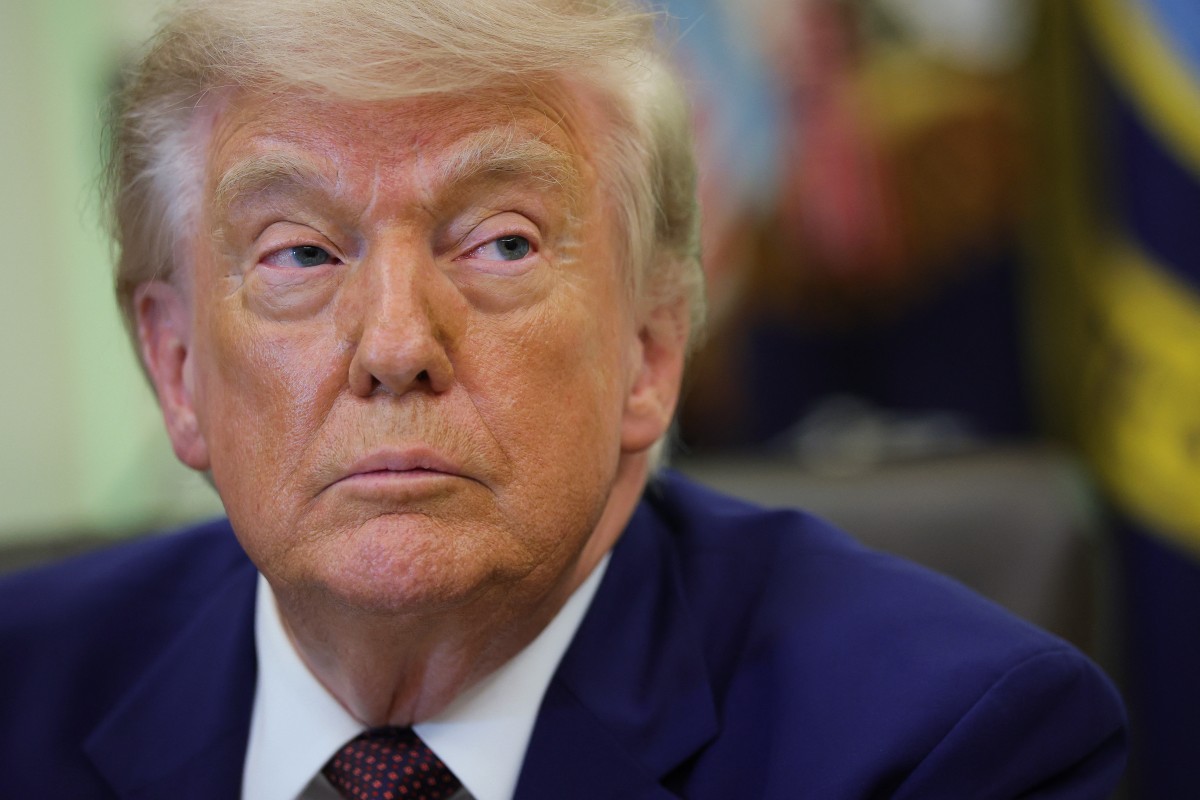
U.S. President Donald Trump issued a blistering rebuke of the U.S. House of Representatives on Thursday, branding a bipartisan vote to mandate the withdrawal of American troops from the conflict with Iran as “unpatriotic” and a direct disruption to active peace talks.
The Republican-controlled House voted 215-208 on Wednesday night to pass the war powers resolution, marking the first time the chamber has successfully challenged the president's military strategy since operations against Tehran began three months ago. Notably, four Republicans broke ranks to join a unified Democratic caucus in backing the measure.
Taking to his Truth Social platform on Thursday morning, Trump slammed the timing of the vote, asserting it came "right in the middle of my final negotiations to end the War with the Islamic Republic of Iran."
“Who would do such an unpatriotic thing," Trump wrote. "They know where the negotiations stand.”
Turning his ire toward the members of his own party who crossed the aisle, the president added, “The four Republicans, that’s a whole other story – They’re GRANDSTANDERS! They should be ashamed of themselves.”
Constitutional Showdown over War Powers
The legislative push underscores a deepening constitutional crisis in Washington. Democrats have fiercely accused the Trump administration of violating the U.S. Constitution by launching coordinated military strikes alongside Israel against Iran in late February without explicit congressional authorization.
Under the War Powers Act of 1973, a president must secure congressional approval within 60 days of introducing U.S. forces into hostile situations. With that statutory deadline having passed weeks ago, lawmakers argue the executive branch is now operating outside the law.
House Democrats framed the vote as a necessary reassertion of congressional oversight, while Trump dismissed the effort as partisan sabotage.
“(Democrats) would rather have our Country fail than give me another, of many, victories,” Trump claimed in his social media post.
Next Steps and Veto Prospects
While the vote represents a significant symbolic reprimand and a rare crack in Republican unity, the measure faces steep hurdles before having any practical effect.
- The Senate: The resolution now moves to the Senate, where its future remains uncertain.
- The White House: Even if it clears the upper chamber, the measure will ultimately face a certain presidential veto.
Capitol Hill analysts note that neither the House nor the Senate currently appears to have the two-thirds majority required to override a veto, meaning the resolution is unlikely to force an immediate shift in U.S. military policy. However, the rebuke signals growing legislative fatigue over the three-month-old conflict as negotiations with Tehran hang in the balance.