World Environment Day 2026: Plastic Pollution Remains the World’s Biggest Environmental Challenge
Every year on June 5, countries around the world mark World Environment Day, a reminder that environmental protection is not only a global challenge but also a local responsibility.
From climate change and water scarcity to pollution and biodiversity loss, environmental issues increasingly affect daily life, economies, and public health.
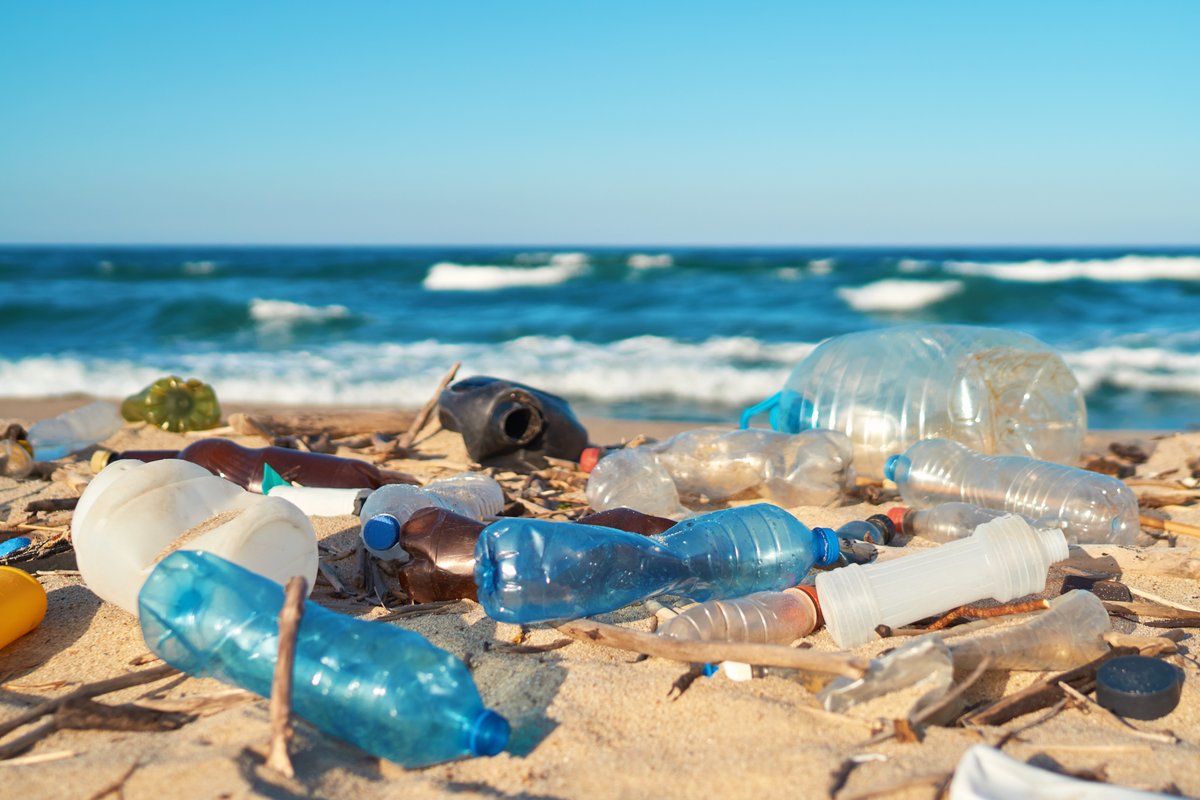
This year, one of the most pressing concerns remains plastic pollution, a problem that has reached rivers, oceans, farmland, cities, and even the food and water people consume.
The Scale of the Plastic Problem
Global plastic production now exceeds 400 million tonnes annually, with roughly half designed for single-use purposes. Despite the vast amount produced each year, less than 9% of plastic waste is recycled worldwide.
According to the United Nations and the UN Environment Programme (UNEP), between 19 million and 23 million tonnes of plastic waste enter aquatic ecosystems every year, polluting rivers, lakes, and seas. UNEP estimates that the equivalent of 2,000 garbage trucks of plastic waste is dumped into water bodies every day.
Plastic pollution has become so widespread that microplastics are now found in the air, water, soil, and food chains around the world. Researchers estimate that an average person is exposed to tens of thousands of plastic particles each year.
A Growing Environmental and Economic Challenge
Environmental experts warn that plastic pollution is not only a waste-management issue. It affects ecosystems, wildlife, agriculture, tourism, and public health.
UNEP notes that plastic pollution reduces the ability of ecosystems to adapt to climate change and threatens livelihoods, food production, and biodiversity. Without stronger action, emissions of plastic waste into aquatic ecosystems could nearly triple by 2040.
Meanwhile, global plastic production continues to rise. Data compiled by researchers show that annual production has increased from about two million tonnes in 1950 to more than 450 million tonnes today.
Why Local Action Still Matters
While governments and international organizations debate long-term solutions, environmental specialists emphasize that local actions remain essential.
Simple measures can reduce waste generation and environmental damage, including:
- Reducing the use of single-use plastics.
- Carrying reusable shopping bags and water bottles.
- Separating recyclable materials from household waste.
- Participating in community clean-up campaigns.
- Disposing of waste responsibly in designated locations.
- Supporting environmental education and awareness initiatives.
Experts stress that protecting the environment is often more effective when prevention occurs before pollution enters rivers, streets, and natural areas.
Environmental Protection Beyond One Day
World Environment Day is observed annually, but environmental challenges persist throughout the year. Scientists and international organizations continue to stress the importance of long-term planning, sustainable resource management, and public participation in addressing environmental issues.
As environmental pressures grow worldwide, the day serves as an opportunity to reflect on the condition of natural resources and the practical steps that can help preserve them for future generations.
Channel8 #ProtectIt Campaign Strengthens Local Environmental Action
Alongside global efforts to address environmental challenges, local initiatives such as Channel8’s #ProtectIt campaign are helping translate awareness into action across the Kurdistan Region.
The campaign encourages citizens and visitors to actively protect natural areas and tourist sites, with growing public participation reported across the Region.
Through community cleanups, school engagement, and coordinated municipal efforts, the initiative reflects increasing local momentum toward reducing waste and preserving public spaces amid ongoing environmental pressures.
2 hours ago