Growing China-Iraq Trade Fuels Chinese Car Boom in Kurdistan Region
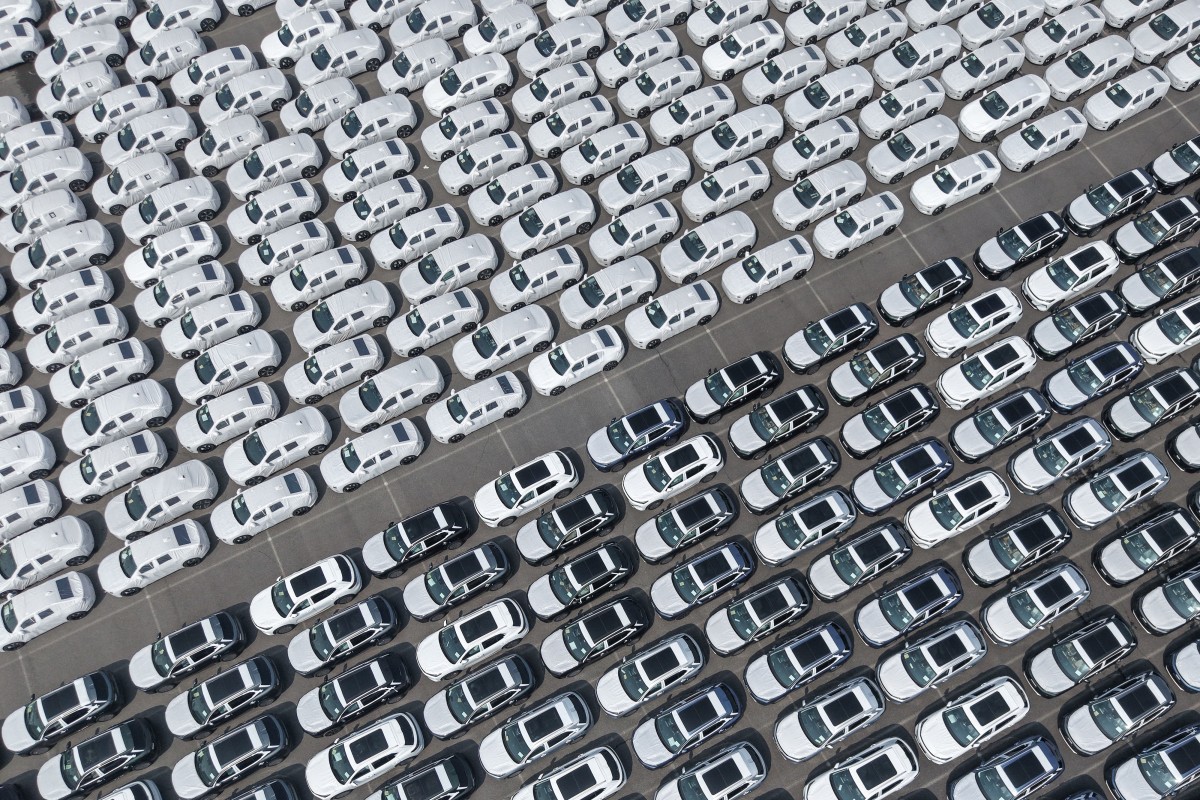
The Kurdistan Region has imported nearly half a million vehicles over the past three years, with Chinese brands rapidly expanding their share of the market.
Driven by lower prices, growing consumer demand, and strengthening economic ties between Iraq and China, Chinese vehicles now significantly outperform American and Japanese competitors in local showrooms.
Nearly 480,000 Vehicles Imported in Three Years
According to official figures from the Kurdistan Regional Government's Ministry of Trade, a total of 479,017 vehicles were imported into the Kurdistan Region between 2023 and 2025.
The annual breakdown shows a steady increase in imports:
- 2023: 122,898 vehicles
- 2024: 172,234 vehicles
- 2025: 183,885 vehicles
Chinese Vehicles Lead the Market
Yadgar Jawhar, an automobile importer, said Chinese vehicles now account for approximately 40% of all imported cars in the region. He added that around half of auto traders have shifted their business operations toward direct imports from China.
According to Jawhar, consumer demand for Chinese vehicles has risen dramatically due to their affordability. For every two American or Japanese cars sold, ten Chinese cars are purchased, he said.
Price differences remain one of the main factors driving demand. The least expensive Chinese models, such as BYD vehicles, sell for around $12,200, while a Toyota Camry costs approximately $25,000.
Electric and Hybrid Vehicles Fuel Demand
The expansion of Chinese brands has been further supported by the growing popularity of electric and hybrid vehicles in both Iraq and the Kurdistan Region.
A report published by the Future Iraq Foundation for Economic Research and Advisory noted that a substantial share of Chinese automotive exports consists of electric and hybrid models, which have attracted increasing demand because of competitive pricing and government incentives.
Chinese Exports to the Region Surge
The boom in Chinese vehicles across Iraq and the Kurdistan Region mirrors broader growth in China's automotive exports to the Middle East.
According to the Future Iraq Foundation report, Chinese vehicle exports to Middle Eastern markets increased by 65% in 2025, reaching more than 584,000 vehicles compared with 353,000 units in 2024.
The increase in vehicle imports has coincided with stronger bilateral economic cooperation between Baghdad and Beijing.
According to the report, trade volume between Iraq and China reached $55 billion in 2025. The strengthened relationship has helped reduce administrative obstacles for Chinese investors and businesses, enabling them to expand their presence across the Iraqi market.
War and Strait of Hormuz Disrupt Imports
Despite strong demand, automobile imports have faced logistical challenges following the outbreak of the regional war involving Iran on February 28 and the subsequent disruption of shipping through the Strait of Hormuz.
Yadgar Jawhar explained that many vehicles currently available in local markets were imported before the conflict began.
He noted that some traders travel directly to Beijing to arrange vehicle shipments by sea, while others purchase and sell vehicles while they are still aboard cargo vessels before arriving in regional markets.
Licensing and Border Entry Points
Nawzad Sheikh Kamil, Director General of Trade, said vehicles imported into the Kurdistan Region originate from China, the United States, Japan, and the United Arab Emirates.
Imported vehicles enter through the Ibrahim Khalil, Parvezkhan, Bashmakh, and Haji Omeran border crossings.
According to Kamil, 932 companies held active automobile trading licenses in 2025, compared with 924 licensed traders in 2024.
He explained that the Ministry of Trade is responsible for issuing import licenses, while information regarding vehicle specifications and countries of manufacture falls under the authority of the Kurdistan Region's General Directorate of Customs.
Import Regulations and Model-Year Restrictions
Current regulations require importing companies to ensure that vehicles are not water-damaged, burned, or structurally damaged before entering the market.
Importers are also obligated to provide spare parts equal to 5% of the total number of imported vehicles.
In addition, the Ministry of Trade has announced that the import of 2024-model vehicles will only be permitted until September 1, 2026. After that date, the import of 2024 models will be prohibited.
09/06/2026