Former Iraqi Finance Official Warns Baghdad Customs Plan Could Slash Kurdistan Revenues by 90%
A former senior Iraqi financial official has warned that Baghdad's plans to directly install a UN-backed automated customs network at border crossings in the Kurdistan Region pose a severe threat to the region's financial autonomy and constitutional status.
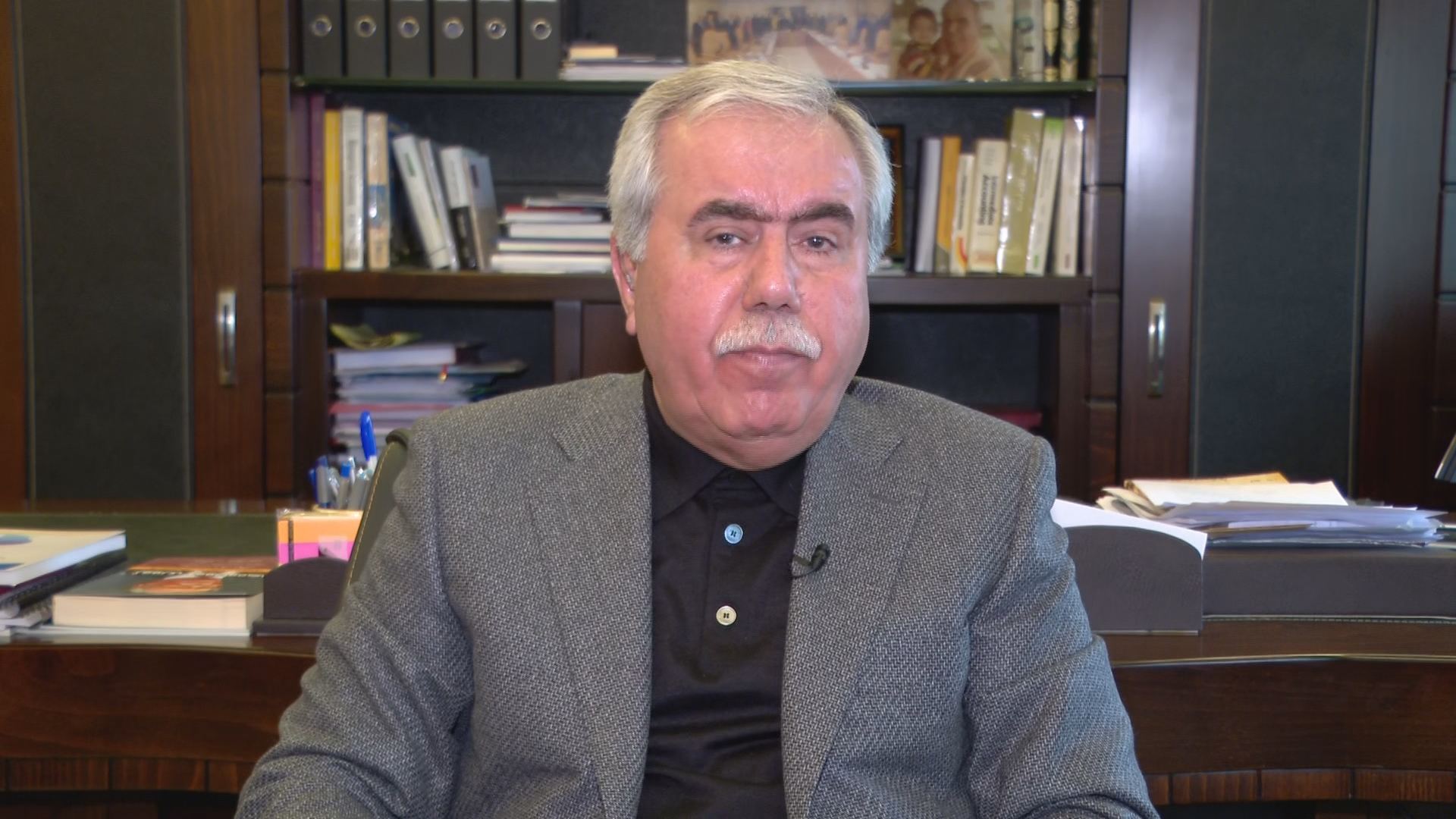
Fazil Nabi, the former Undersecretary of the Iraqi Federal Ministry of Finance, revealed that the central government is pushing to deploy the Automated System for Customs Data (ASYCUDA) across all customs points and administrative offices inside the Kurdistan Region.
According to Nabi, a unilateral rollout managed by Baghdad would divert localized income streams away from northern authorities. "If executed directly by the federal government, this step will slash the Kurdistan Region's internal customs, tax, and regulatory fee revenues by up to 90%, funneling those assets straight into the federal treasury in Baghdad," Nabi warned.
A Call for Independent Implementation
To safeguard regional authority, Nabi urged the Kurdistan Regional Government (KRG) to reject a direct federal takeover of its border systems. Instead, he proposed a counter-strategy: the KRG should independently adopt and deploy the exact same ASYCUDA technical framework within its territory.
Once the infrastructure is independently established, Erbil could then link and coordinate data-sharing mechanisms with the federal Ministry of Finance on equal footing.
"This measure is no longer just about protecting local revenue lines," Nabi emphasized. "It is structurally tied to preserving the financial and administrative authority of the Kurdistan Region as a whole."
Constitutional Underpinnings and Provincial Status
The former undersecretary cautioned that letting the federal government control trade data would paralyze the KRG's independent fiscal decision-making power, systematically reducing the region's constitutional weight within Iraq's federal map.
Nabi directed sharp criticism toward the Federal Financial Management Law No. 6 of 2019, arguing it has been weaponized by central authorities to chip away at the region's special status. He asserted that under the current application of the 2019 law, Baghdad has increasingly treated the Kurdistan Region as an ordinary, centralized province rather than a distinct federal component.
"Treating the region like any other regular province is a grave legal mistake," Nabi concluded, noting that the Kurdistan Region's unique financial privileges and rights are deeply enshrined in the Iraqi Constitution and must be treated with appropriate distinctiveness.
3 hours ago