U.S.-Iran Crisis Deepens Following Major Overnight Strike Campaign
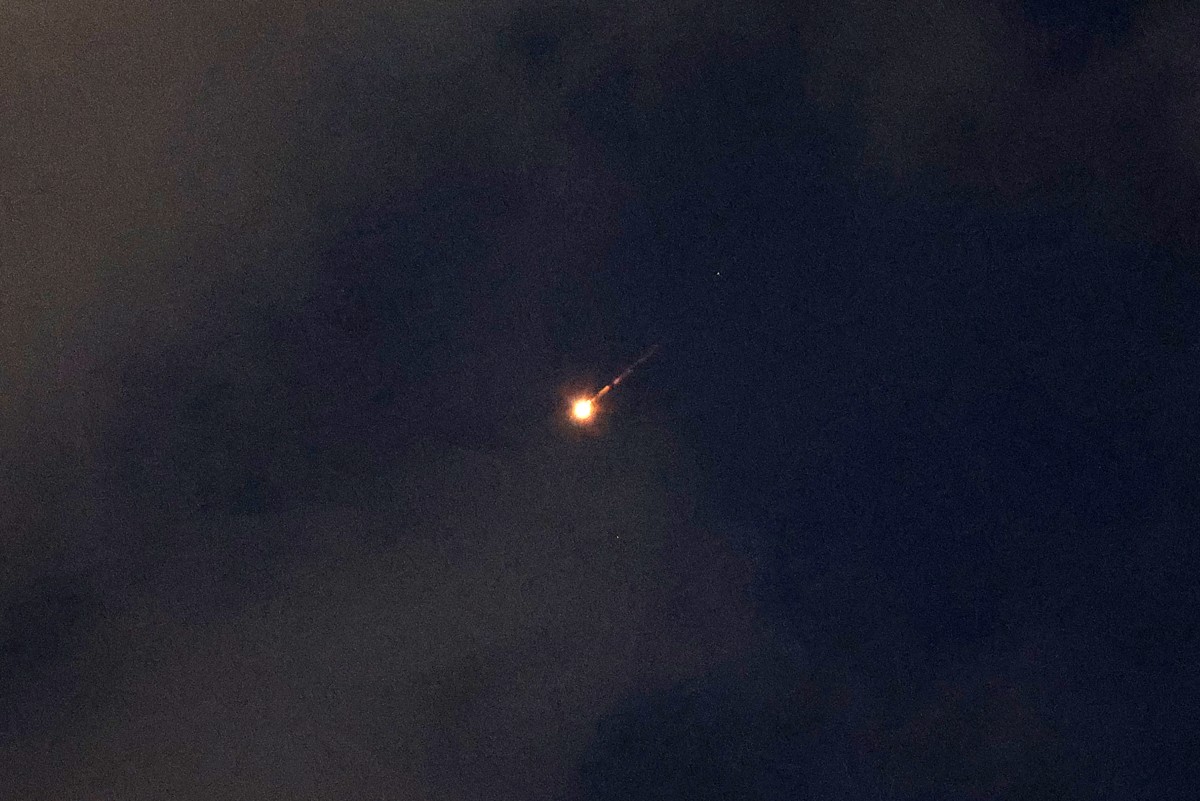
The fragile diplomatic framework established earlier this year appeared to collapse overnight as U.S. forces carried out a second consecutive day of military strikes against targets inside Iran.
The operation, conducted by U.S. Central Command (CENTCOM) and authorized by President Donald Trump, began shortly after 12:45 a.m. local time in Tehran on June 11. According to U.S. officials, the strikes involved coordinated naval and air assets operating against Iranian military infrastructure across multiple locations.
CENTCOM said the operation concluded after approximately four hours and described the action as a self-defense measure in response to recent Iranian military activity.
Targets and Military Operations
According to a statement issued by CENTCOM headquarters in Tampa, Florida, the operation involved assets from the U.S. Navy, Air Force and Marine Corps.
A central element of the strike package was the deployment of Tomahawk cruise missiles launched from the Arleigh Burke-class guided-missile destroyer USS Michael Murphy (DDG-112), operating from an undisclosed location in regional waters.
Senior U.S. defense officials said 49 Tomahawk missiles were launched in conjunction with strikes carried out by U.S. combat aircraft.
U.S. officials said the operation targeted:
- Long-range radar and surveillance installations;
- Military communications and command facilities; and
- Elements of Iran's integrated air-defense network, including surface-to-air missile batteries and associated radar systems.
Some of the reported targets were located within approximately 60 kilometers (40 miles) of Tehran.
"The strikes are in response to Iran's unwarranted and continued aggression," CENTCOM said in a public statement.
Escalating Military Confrontation
The latest strikes represent a significant escalation following weeks of mounting tensions and repeated accusations of ceasefire violations by both sides.
According to U.S. officials, the immediate trigger for the current round of hostilities occurred on June 8, when a U.S. Army AH-64 Apache helicopter operating near the Strait of Hormuz was lost after an encounter involving an Iranian drone. Both crew members were rescued without injury.
The United States responded on June 9 with multiple waves of strikes against Iranian military targets, including air-defense and radar facilities.
Iran subsequently launched ballistic missiles and loitering munitions toward installations hosting U.S. personnel in the Gulf region. Iran's Islamic Revolutionary Guard Corps (IRGC) said the attacks targeted communications and radar facilities associated with the U.S. Fifth Fleet in Bahrain as well as operations at Sheikh Isa Air Base.
The IRGC also claimed that one of its air-defense units engaged a U.S. Air Force F-16 over the Persian Gulf. U.S. officials acknowledged missile activity in the area but said regional air-defense systems intercepted most incoming threats and reported no American casualties.
The exchanges prompted air-raid warnings in Bahrain and led Kuwait to temporarily suspend civilian air traffic.
Timeline of Recent Escalation
| Date | Actor | Reported Action |
|---|---|---|
| June 8 | Iran (claim disputed) | Incident involving U.S. AH-64 Apache near Strait of Hormuz |
| June 9 | United States | Multiple strike waves against Iranian military targets |
| June 9–10 | Iran | Missile and drone attacks targeting U.S.-linked facilities in the Gulf |
| June 10–11 | United States | Coordinated air and naval strikes against air-defense and command infrastructure |
Strait of Hormuz Dispute
Following the latest U.S. strikes, Iranian military authorities announced that the Strait of Hormuz had been closed to maritime traffic and warned commercial vessels against transiting the waterway.
Iranian state-affiliated media outlets reported that naval forces had fired on two commercial vessels attempting to pass through the strait. Those reports could not be independently verified.
U.S. officials disputed Iran's assertion that the waterway had been effectively closed, stating that commercial traffic continued to move through the corridor under the protection of coalition naval forces.
The White House said U.S. and allied forces had escorted more than 200 commercial vessels carrying an estimated 100 million barrels of oil through the region in recent weeks.
Concerns over potential disruptions to energy exports contributed to higher oil prices, reflecting market uncertainty over the security of shipping routes in the Gulf.
Diplomatic Breakdown
The renewed military confrontation comes despite months of diplomatic engagement aimed at converting a temporary truce into a broader agreement between Washington and Tehran.
Senior U.S. officials have argued that military pressure remains necessary to deter further Iranian actions and strengthen Washington's negotiating position.
Speaking before the operation, War Secretary Pete Hegseth said: "If we need to negotiate with bombs, we'll negotiate with bombs."
Iranian officials condemned the strikes as an act of aggression and rejected the suggestion that negotiations could proceed under military pressure. Tehran has also disputed aspects of the U.S. account surrounding the helicopter incident, describing it as an accident rather than a deliberate attack.
International Reaction
The latest escalation has prompted renewed concern among international leaders over the risk of a wider regional conflict.
United Nations Secretary-General António Guterres called for immediate restraint by both sides, warning that continued military escalation could further destabilize the Middle East and increase the risk of a broader confrontation.
3 hours ago