Banking Operational Bottlenecks and ASYCUDA Dispute Drive Up Dollar Value, Sulaymaniyah Market Spokesperson Warns
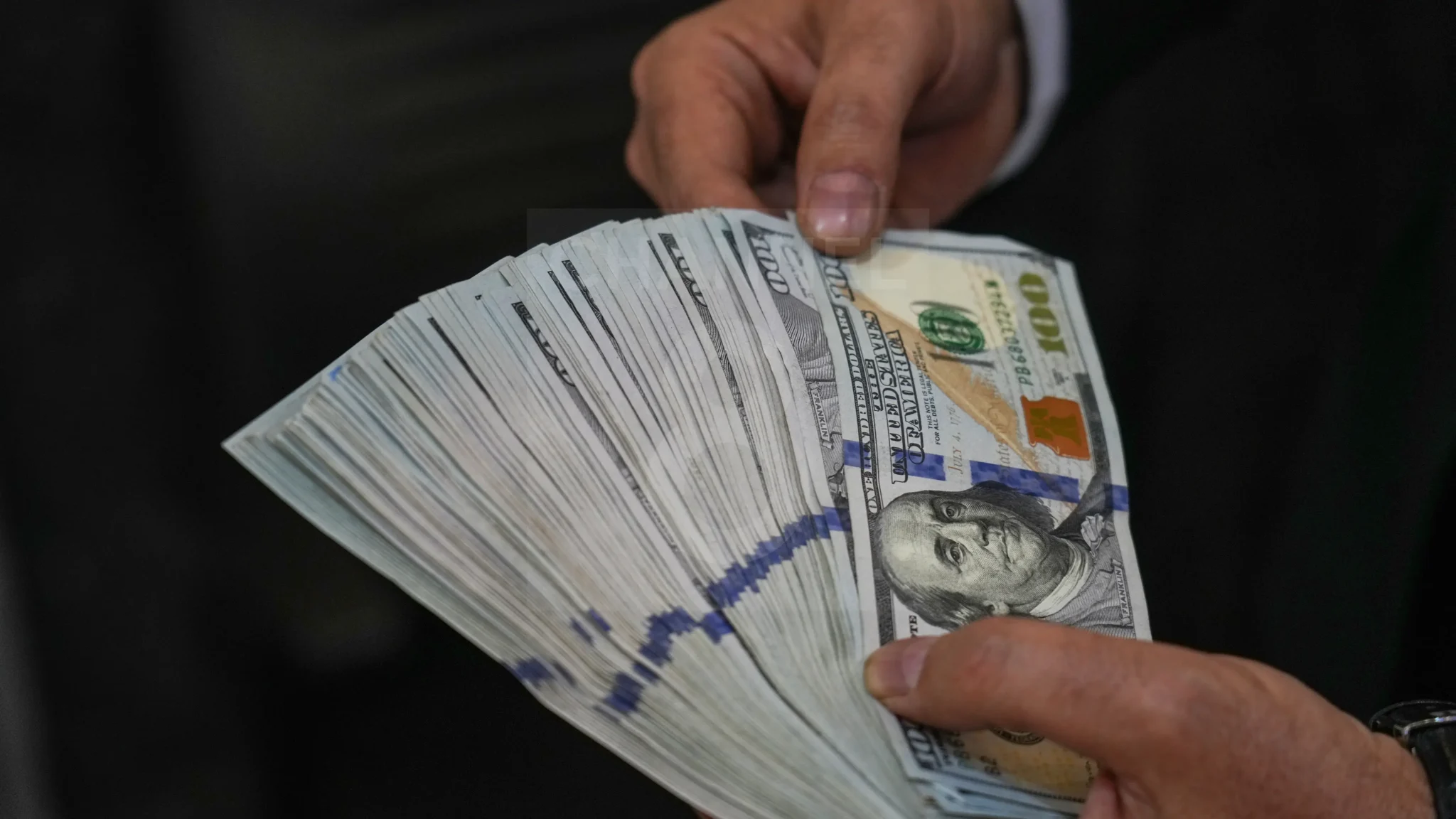
Jabar Goran, spokesperson for the Sulaymaniyah Currency Market, stated that the dollar's rise over the recent two days is due to banking transfer failures and ASYCUDA restrictions, noting that Baghdad should “ultimately” agree to the Kurdistan Regional Government’s demands regarding ASYCUDA to stabilize the market.
The ASYCUDA customs system was initiated in Iraq in 2021 and expanded to Kurdistan Region border crossings, such as Ibrahim Khalil, in mid-2026.
However, several issues remain unresolved between both governments; KRG officials previously stated that Baghdad was using the system as a pretext to impose a “suffocating embargo” on the Region.
Following a recent understanding regarding oil, revenues, and salaries under the new Iraqi cabinet led by Prime Minister Ali Faleh al-Zaidi, a KRG delegation is scheduled to visit Baghdad.
The upcoming talks will address various customs disputes, including the ASYCUDA rollout, customs duties, trademarks, exemptions, domestic product support, and the alignment of the agricultural calendar.
Dinar Influx Sparks Cash Market Volatility
Spokesperson Goran told Channel8 that the recent two-day fluctuation in the dollar's value is directly linked to banking operational bottlenecks.
He explained that several traders attempted to deposit funds for commercial transfers, but because the transactions failed to process, many ultimately withdrew their capital, driving the cash market's volatility.
“Consequently, this massive influx of Dinars entering the market drives up the dollar's value,” Goran added.
ASYCUDA System Remains Driver of High Dollar Values
He further stressed that the implementation of the ASYCUDA system remains the primary driver keeping the dollar's value elevated. “This system has created an obstacle, and currently, traders in the Kurdistan Region have not registered themselves in it,” he said.
The spokesperson said that the Iraqi central government has requested that the Kurdistan join the system, but Erbil refuses because it will cause “significant harm” to the future and economy of the Kurdistan Region. In other words, all the revenues currently generated by the Region would return to Baghdad.
Market Spokesperson Demands Dual ASYCUDA Systems
“There is a demand for two separate systems so that the Kurdistan Region has its own system; only then will all traders join. Ultimately, the Iraqi government must reach an agreement with the Region,” he remarked.
Goran highlighted that a failure to reach an agreement would severely impact Iraq’s broader economy; if Kurdish merchants are left without official funding, the dollar will surge, consequently driving up exchange rates in central and southern Iraq and risking widespread inflation.
“This agreement is necessary to stabilize and strengthen the value of the Dinar against the dollar,” he emphasized.
KRG Spokesperson: Erbil Not Opposed to ASYCUDA
Yesterday, KRG spokesperson Peshawa Hawramani told a press conference that Erbil is “not opposed” to the ASYCUDA system, adding that the KRG should have received prior notification—consistent with other regions in Iraq—to allow for adequate preparations, as the implementation requires extensive logistical readiness.
11/06/2026