Starmer Faces Crisis as Defence Ministers Resign Over Spending Plan
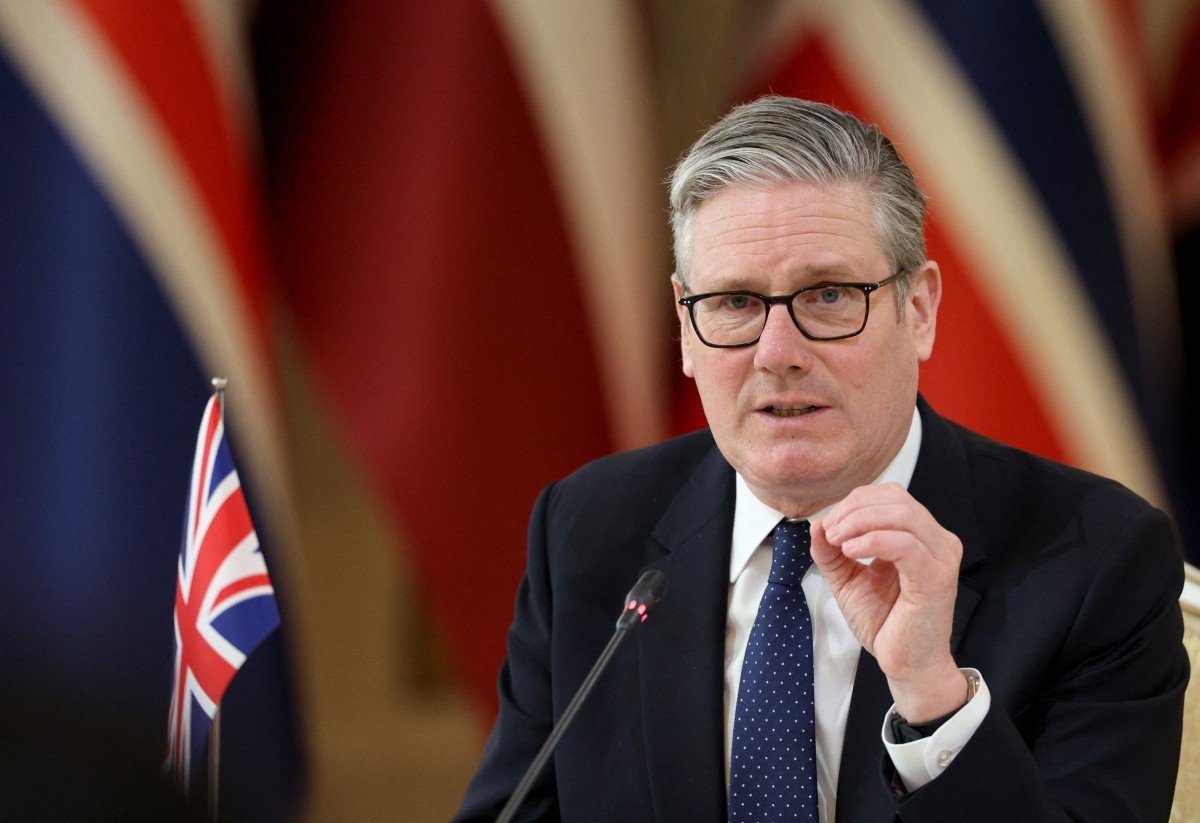
Britain’s government was rocked on Thursday after two senior defence figures quit in protest over military funding, intensifying pressure on Prime Minister Keir Starmer just days before a crucial by-election.
Defence Secretary John Healey resigned, warning that the long-delayed Defence Investment Plan (DIP) risked leaving Britain “less safe.” Hours later, Armed Forces Minister Al Carns also stepped down, joined by Healey’s aide Pamela Nash.
Healey’s resignation letter, posted on X, accused Starmer and the Treasury of failing to commit the resources needed “at this time of rising threats.” He said the proposed plan, which he only saw in full this week, would raise defence spending to just 2.68 percent of GDP by 2030—short of Labour’s pledge to reach three percent.
Former army officer Dan Jarvis was swiftly appointed as Healey’s replacement. Starmer insisted the government was delivering “the largest sustained increase in defence spending since the Cold War” and promised to unveil the DIP before the NATO summit in Turkey on July 7.
The resignations come at a precarious moment for Starmer, whose authority has already been weakened by poor election results and the departure of Health Secretary Wes Streeting last month. With Greater Manchester mayor Andy Burnham preparing to contest the Makerfield by-election and signalling interest in a future leadership race, speculation over Starmer’s political survival is mounting.
Opposition leader Kemi Badenoch declared that Starmer’s “premiership is falling apart,” while analysts warned the defence row could trigger a chain of political headaches, from filling ministerial gaps to finalising the investment plan.
Starmer’s government, elected in July 2024 after 14 years of Conservative rule, has pledged to raise defence spending to 2.5 percent of GDP next year, with longer-term ambitions of reaching 3.5 percent by 2035. But internal divisions over the pace and scale of investment now threaten to destabilise his leadership at a critical juncture.
12/06/2026