Syria’s Breadbasket Eyes Recovery: Al-Hasakah Projects Stronger Wheat Harvest Amid Digital Transition and Logistics Hurdles
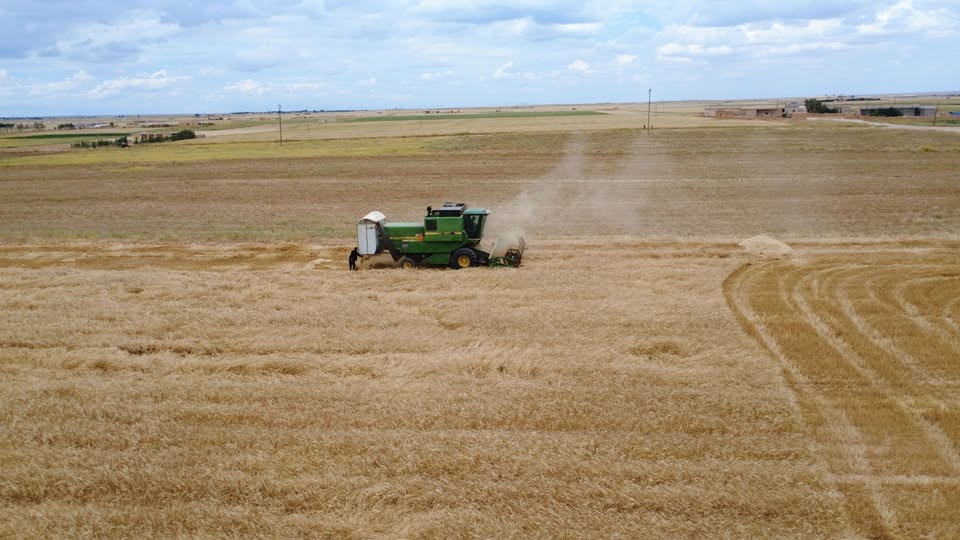
Al-Hasakah Governorate, historically recognized as the wealthiest region in Rojava (Western Kurdistan) and the primary breadbasket of Syria, is poised for a significant agricultural recovery.
Following a severe downturn caused by climate factors, local agricultural authorities project this season's wheat yield to more than double last year's output, even as local farmers face early logistical issues with a newly introduced digital enrollment system.
A Drastic Decline and Signs of Rebound
Al-Hasakah has long been the cornerstone of Syria's food security. However, recent years have highlighted the region’s vulnerability to shifting climate patterns. In 2023, the governorate produced 677,000 tons of wheat across one million hectares of cultivated land. By 2025, devastating droughts and low rainfall caused production to plummet to just 280,000 tons.
This drop heavily impacted the entire country. Last year, Syria’s total nationwide wheat production fell to a staggering 900,000 tons. While Al-Hasakah still accounted for more than a quarter of that total, the nationwide shortage ultimately forced Syria to rely on wheat imports from neighboring Iraq to meet basic needs.
The outlook for the current season is markedly more optimistic. Approximately 750,000 hectares have been sown with wheat, with yields expected to exceed 500,000 tons. If achieved, this output will easily cover Al-Hasakah’s domestic consumption requirement of 350,000 tons, allowing the surplus to be distributed to other Syrian governorates facing food shortages.
Modernizing the Field: The 2025–2026 Agricultural Plan
Data from regional authorities indicates that the total licensed irrigated agricultural land for the 2025–2026 season stands at more than 2,177,400 dunams, with 1,306,440 dunams dedicated specifically to wheat.
To manage this output, the Autonomous Administration of North and East Syria (AANES) is leaning into modernization. Engineer Ahmed Suleiman, Co-Chair of the AANES Agriculture, Irrigation, and Livestock Authority, announced the launch of a new digital platform designed to streamline operations for the 2025–2026 season.
"This program is designed to integrate all agricultural guidance units, streamline administrative tasks for our farmers, and provide an accurate, real-time census of both irrigated and rain-fed lands," Suleiman stated.
Suleiman added that a comprehensive agricultural roadmap is currently being finalized. Under the new strategy, 60% of the region's total cultivated land—spanning both irrigated and rain-fed areas—has been prioritized for wheat production, particularly within rain-fed zones to maximize natural precipitation.
Harvest Begins Amid Operational Bottlenecks
While fields across the governorate are actively being harvested, the transition from field to storage is experiencing notable friction.
| Al-Hasakah Wheat Infrastructure at a Glance | 1 |
| Designated Reception Centers & Silos | 21 Locations |
| Annual Local Consumption Requirement | 350,000 Tons |
| Projected Current Season Yield | > 500,000 Tons |
Authorities have readied 21 collection centers and silos to receive local wheat. Under the new administrative guidelines, farmers must register through the digital system to secure a scheduled time slot to deliver their grain.
However, the rollout has hit several practical roadblocks. Local farmers report difficulties navigating the digital enrollment system due to technical barriers or poor connectivity. Furthermore, rigid scheduling has created an operational mismatch: some farmers have been assigned strict delivery deadlines before they have even been able to successfully harvest their crops.
As collection centers prepare to open their gates in the coming days, local agricultural committees face growing pressure to resolve these software and scheduling bottlenecks to ensure the region's revived yield is safely and efficiently stored.
4 hours ago