U.S.-Iran Agreement Outlines Ceasefire, Sanctions Relief, and $300 Billion Reconstruction Framework
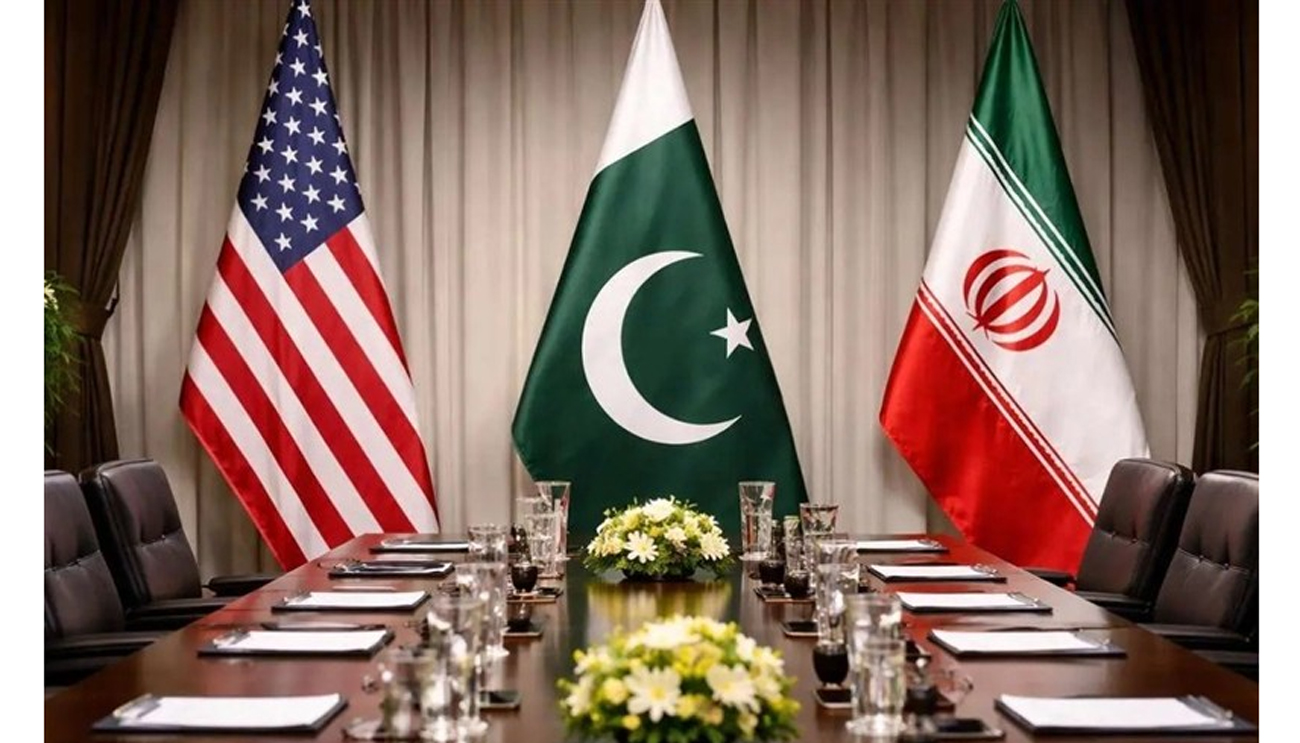
A proposed agreement between the United States and Iran has entered a new phase after Iranian officials announced the finalization of a memorandum of understanding and revealed details of a broader 14-point draft framework that they say would end the war, lift maritime restrictions, ease sanctions, and establish a large-scale reconstruction program for Iran
Iranian officials also stated that the agreement would open a new round of negotiations focused on implementation, sanctions relief, and long-term regional arrangements.
Iran Announces Ceasefire Measures and Planned Signing in Switzerland
Iranian officials announced that military operations across all fronts and the U.S. maritime blockade would be halted under the terms of the agreement.
Kazem Gharibabadi, Iran’s Deputy Foreign Minister for Legal and International Affairs of Iran, stated on Monday, June 15, that the text of a memorandum of understanding between Tehran and Washington had been finalized and that two major measures entered into force as of the morning announcement, the cessation of war and military activity across all fronts, including Lebanon, and the immediate lifting of the U.S. maritime blockade on Iran.
Gharibabadi further announced that the agreement, described as the “Islamabad Memorandum of Understanding,” is expected to be formally signed on Friday, June 19, in Switzerland.
According to the Iranian official, the agreement followed extensive negotiations facilitated by Pakistan and Qatar. He stated that a Qatari delegation arrived in Tehran and participated in approximately 15 hours of intensive discussions before Iran approved the final text after ensuring that its core demands had been incorporated.
Draft Framework Includes Sanctions Relief and Opening of the Strait of Hormuz
According to details published by Iran’s Mehr News Agency, the broader draft agreement contains 14 points intended to establish a permanent framework to end the conflict and restructure relations between the two sides.
Under the reported framework, the U.S. would commit to respecting Iran’s territorial sovereignty, refraining from interference in internal affairs, and withdrawing military forces from areas surrounding Iran.
Economically, the draft outlines lifting maritime sanctions and reopening the Strait of Hormuz within 30 days, in accordance with Iranian procedures. It also proposes suspending sanctions on Iranian oil and petrochemical exports to allow Tehran renewed access to financial resources.
The agreement additionally includes the release of $24 billion in frozen Iranian assets within 60 days.
However, Tehran has maintained that no official negotiations will proceed until half of those funds, equivalent to $12 billion, have been released and key oil and maritime restrictions are removed.
Reconstruction Plan and Nuclear Framework
One of the most significant provisions reported in the draft agreement is a commitment by the United States and its allies to present a comprehensive reconstruction initiative for Iran valued at no less than $300 billion.
The reconstruction package is described as compensation for infrastructure damage attributed to war and sanctions and would become one of the central topics of implementation discussions.
The draft also states that Iran’s missile program and its support for groups aligned with the “Axis of Resistance” have been removed from the negotiation agenda and designated by Tehran as non-negotiable red lines.
On the nuclear issue, Iran’s stated position remains limited to maintaining commitments under the Treaty on the Non-Proliferation of Nuclear Weapons (NPT).
A New 60-Day Negotiation Phase and Monitoring Mechanism
Gharibabadi said the agreement marks the beginning, not the conclusion, of a broader diplomatic process.
According to his remarks, once Tehran verifies immediate implementation of U.S. commitments, both sides will enter a new 60-day negotiation phase focused on lifting remaining sanctions, reviewing United Nations Security Council measures, addressing nuclear-related issues, advancing reconstruction efforts, and creating mechanisms to monitor compliance.
He emphasized that the agreement had been negotiated from a position of “distrust” and that Iran would closely evaluate implementation before advancing further.
Iranian Officials Cite Military Pressure as a Factor in Negotiations
Iranian officials framed the agreement as both a diplomatic and military outcome.
Gharibabadi argued that the agreement reflected what he described as Iran’s military readiness and deterrence posture, stating that pressure generated during the conflict influenced the direction of negotiations.
He added that despite the agreement, Iran’s armed forces would continue to maintain full readiness, saying they would keep their “fingers on the trigger” to respond to any future violations or developments.
Iran’s Supreme National Security Council is expected to issue an official statement providing additional details on implementation timelines and procedures.
Meanwhile, U.S. President Donald Trump commented on the agreement through a post on Truth Social, confirming that the Strait of Hormuz would reopen without tariffs and that maritime restrictions would be lifted immediately, concluding with the phrase "Let the oil flow.”
15/06/2026