Erbil-Baghdad Oil Agreement Set to Boost Kurdistan Production to 220,000 Barrels
Oil production in the Kurdistan Region will see a major leap next month, reaching 220,000 barrels per day. This comes after Baghdad's guarantees to foreign companies and the resolution of most of the outstanding issues.
Oil Output Expected to Rise to 220,000 Barrels Per Day
At the beginning of July, oil production in the Kurdistan Region’s fields is expected to gradually increase, reaching 220,000 barrels per day. This development follows assurances from the Iraqi Prime Minister regarding the protection of oil fields and operating companies, allowing them to resume normal operations.
Al-Zaidi’s Push to Restart Kurdistan Oil Exports
A Council of Ministers official told Channel8 that Iraqi Prime Minister Ali Faleh al-Zaidi is accelerating efforts to resume oil production in the Kurdistan Region.
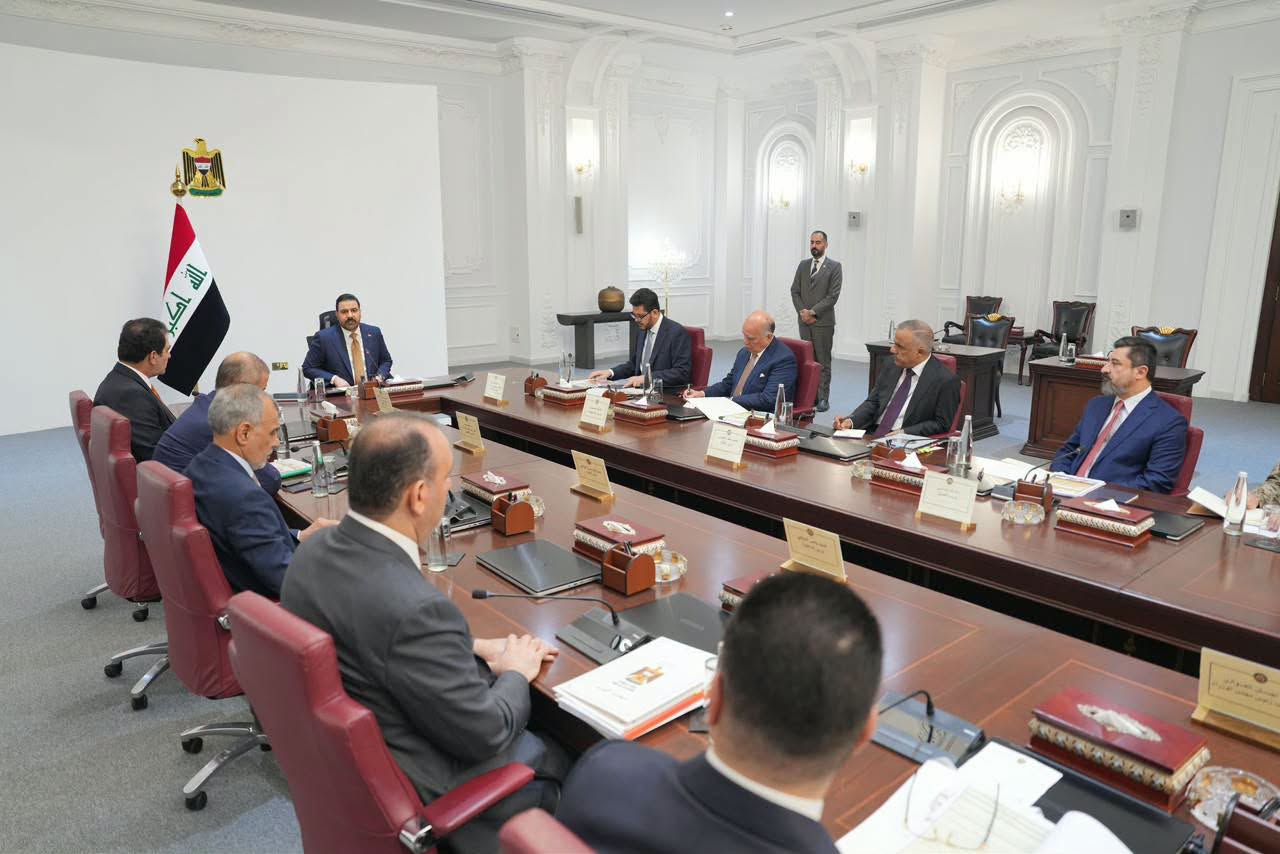
During a meeting held two weeks ago between a Kurdistan Regional Government (KRG) delegation and the Prime Minister, attended by local and international companies, strong support for the process was reaffirmed, with the Prime Minister assuming responsibility for securing the oil fields.
Current Production Levels and Distribution
Oil production in the Kurdistan Region currently stands at between 70,000 and 75,000 barrels per day. Of this volume, 50,000 barrels are used for domestic consumption, including petroleum products such as gasoline, diesel, and kerosene. The remaining 20,000 to 25,000 barrels are transported through the Kurdistan Region’s oil pipeline.
Pipeline Capacity and Kirkuk Crude Flow
The Kurdistan Region’s oil pipeline is currently transporting 230,000 barrels of oil per day to Turkey’s Ceyhan port. Of this total, 210,000 barrels consist of Kirkuk crude. Plans are underway to significantly expand export volumes through this pipeline in the near future.
Return of Personnel and Technical Challenges
Due to the fact that many oil company staff have not yet returned and several fields have been inactive for some time, restoring previous production levels will require time. Personnel are expected to return to fields that have been shut down since the start of the U.S.-Iran war.
From a technical perspective, restarting oil extraction after a temporary halt requires time for wells to regain their previous output capacity.
Cost Assessment and Financial Arrangements
Financial issues remain a key concern for foreign companies. The international consultancy firm Wood Mackenzie is currently completing an assessment of production costs across the Region’s oil fields.
This step is intended to provide companies with a clear breakdown of operational expenses. Overall, no major obstacles remain, and production and exports are expected to increase next month.
High-Level KRG Delegation Meeting in Baghdad
Earlier this month, a senior KRG delegation met with Iraqi Prime Minister Ali Faleh al-Zaidi. The delegation was led by Acting Minister of Natural Resources Kamal Mohammed and included Head of the Council of Ministers Diwan Omed Sabah, Cabinet Secretary Amanj Raheem, and Head of the Department of Coordination and Follow-up Abdul Hakim Khasraw.
Representatives of five oil companies also attended the meeting, where they received security assurances to safely resume crude oil production operations.