Channel8 Exclusive: Baghdad Seeks Full Transfer of Kurdistan Region Border Crossing Revenue
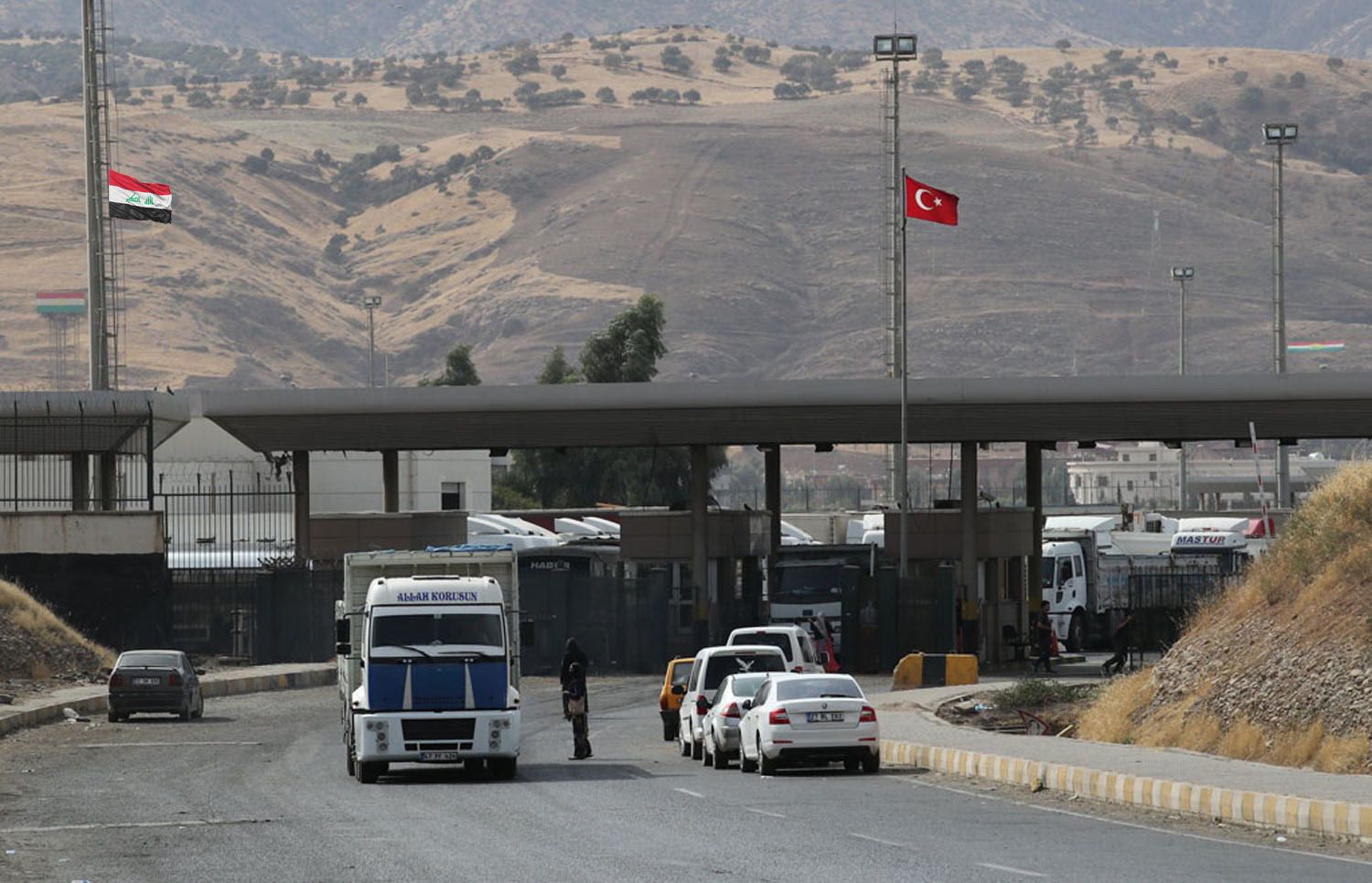
The issue of border crossing revenues remains a major point of deadlock between Erbil and Baghdad. While the federal government is demanding the transfer of all revenues, the Kurdistan Region has proposed an alternative mechanism to address the dispute.
Baghdad’s Condition on Border Crossing Revenues
Alauddin al-Qaisi, spokesperson for the Iraqi Border Crossings Authority, told Channel8 that the central point of disagreement between Erbil and Baghdad regarding the ASYCUDA system concerns the management of border crossing revenues.
He stated that Baghdad has requested the Kurdistan Region transfer 100% of border crossing revenues to the federal government. In return, Baghdad would allocate 50% of those revenues back to the Kurdistan Region.
Kurdistan Region Council of Ministers Rejects the Proposal
According to information obtained by Channel8 from a high-level Kurdistan Regional Government (KRG) source, Baghdad’s proposal was discussed during a meeting of the Kurdistan Region’s Council of Ministers and was fully rejected.
The KRG is unwilling to transfer all revenues and then wait for Baghdad to return half of the amount.
Kurdistan Region Presents an Alternative Proposal
In an effort to resolve the issue and ensure transparency, the Kurdistan Region’s Council of Ministers has prepared an alternative proposal.
Under the proposal, if Baghdad’s objective is transparency, it may send its own teams to the border crossings to jointly supervise revenue collection alongside Kurdistan Region teams. However, the revenues would remain within the Region.
Customs Tariff Differences and Federal Checkpoints
Regarding differences in customs rates and regulations, al-Qaisi explained that checkpoints between the Kurdistan Region and Iraqi governorates function as balancing points.
For example, if goods entering through a Kurdistan Region border crossing are charged 100,000 Iraqi dinars in customs duties, while the equivalent rate in Baghdad is 500,000 dinars, the cargo owner would pay only the difference at federal government checkpoints to standardize pricing.
17/06/2026