Turkey Rejects Iraq’s Request to Extend Oil Agreement
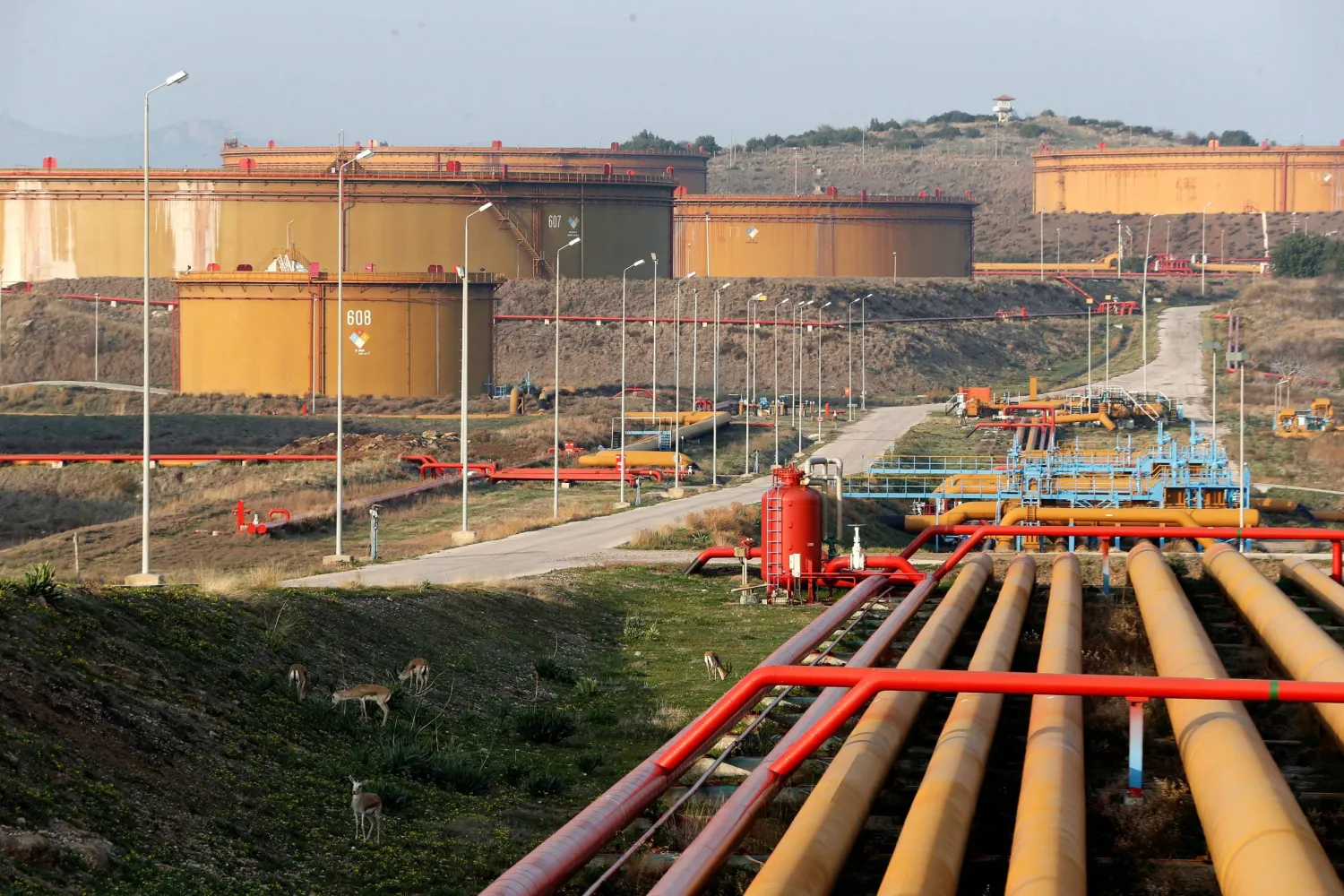
Bloomberg has reported that Ankara has set strict conditions for the continuation of Iraqi oil transit and is unwilling to reactivate the Kirkuk-Ceyhan pipeline under its previous terms without a long-term agreement.
Turkey Rejects Baghdad’s Request as Current Agreement Nears Expiration
According to a Bloomberg report, the Turkish government has rejected Iraq’s request to extend the Kirkuk-Ceyhan oil transit agreement for one year.
The current agreement is scheduled to expire on July 27. A senior Turkish official told the agency that, due to international legal complications, Ankara cannot continue transporting Iraqi oil under the previous framework.
Ankara Sets New Conditions for a Long-Term Agreement
To officially resume long-term exports, Turkey is demanding a binding commitment lasting between five and ten years.
Another condition requires the full utilization of the pipeline’s capacity, which stands at 1.5 million barrels per day.
The Turkish side has also emphasized that even if Iraq does not fill the pipeline, it must remain committed to paying transit fees to the Turkish government.
Iraq Moves to Prevent a Complete Halt in Exports
In response to these conditions, the Iraqi government is seeking to raise oil export volumes to 770,000 barrels per day to satisfy Turkey and avoid the risk of a complete suspension of exports through a directive from the Turkish President.
According to statistics from the State Organization for Marketing of Oil (SOMO), current export levels range between 170,000 and 180,000 barrels per day.
However, an approved plan aims to increase the combined oil exports of Kirkuk and the Kurdistan Region to 770,000 barrels per day within two and a half months.
Legal Disputes and International Penalties Behind the Crisis
These developments come after a ruling by the International Chamber of Commerce (ICC) arbitration court ordering Turkey to pay $1.5 billion in damages for allowing unauthorized independent oil exports from the Kurdistan Region.
Following the devastating earthquake in 2023 and a series of technical challenges, oil exports remained suspended for an extended period before operations resumed in September 2025.
3 hours ago